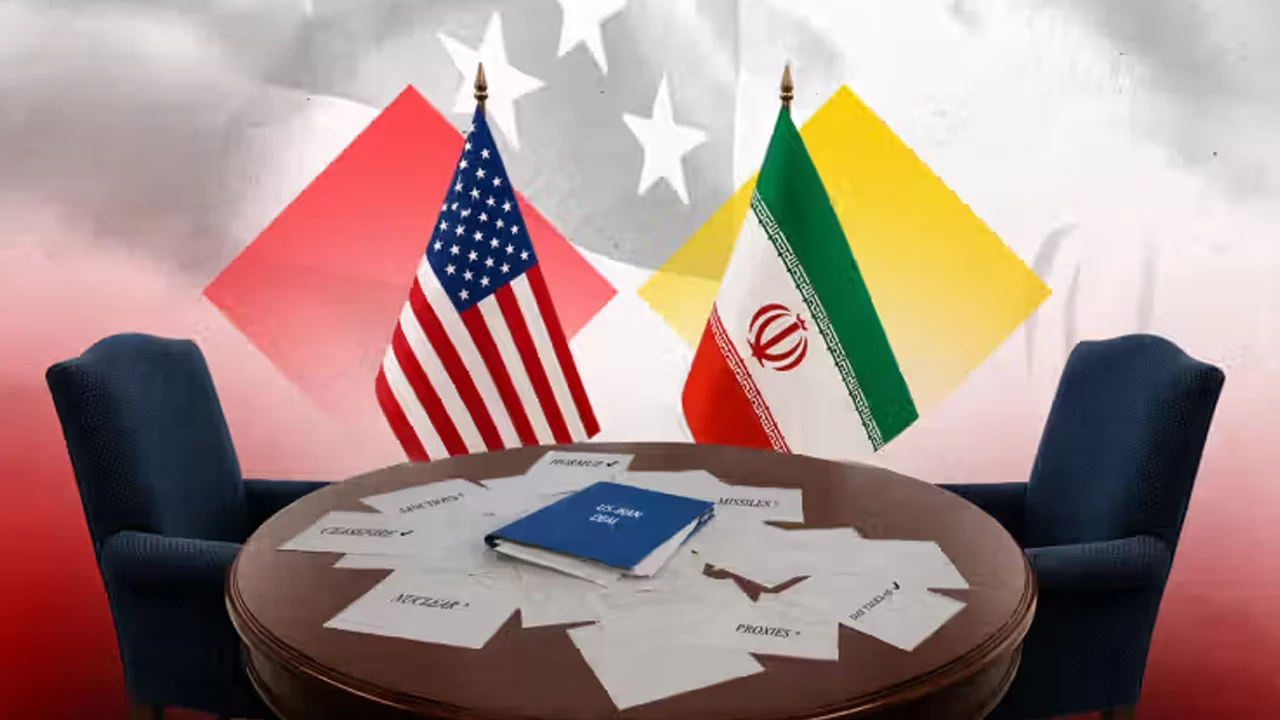
After 13 straight days of military strikes, attacks between the United States and Iran have been suspended for the past three nights. The main aim on both sides now is to halt the conflict, return to diplomatic talks and move beyond the memorandum of understanding (MoU) to a full and lasting peace agreement. Taking the first step towards that final agreement has, however, become the biggest challenge.
Washington wants the strategically vital Strait of Hormuz opened quickly and fully to commercial traffic. Tehran, on the other hand, sees the issue as one of its biggest bargaining chips, or instruments of leverage, at the negotiating table.
Major attacks are halted for the moment after 13 straight days of exchanges, and both sides have engaged in talks. The situation is not straightforward, however. US President Donald Trump has already warned that if diplomatic efforts fail and no agreement is reached in the end, the United States will return to a tough military campaign. That stern warning has created a degree of uncertainty and pressure over the whole negotiating process.
It is clear, though, that both Washington and Tehran ultimately want to reach a lasting agreement. Achieving it will require a great deal of work and diplomatic effort.
The main purpose of the memorandum of understanding signed between the two countries was to create a 60-day mediation period, which can be extended as required. A draft of the final agreement is to be prepared through talks during that time. In reality, however, the clock on that set period has not yet begun to run. Analysts therefore believe a great deal more discussion and time will be needed to establish a long-term and lasting peace between Iran and the United States.
বাংলায় মূল প্রতিবেদন পড়ুন · Read the original Bengali report