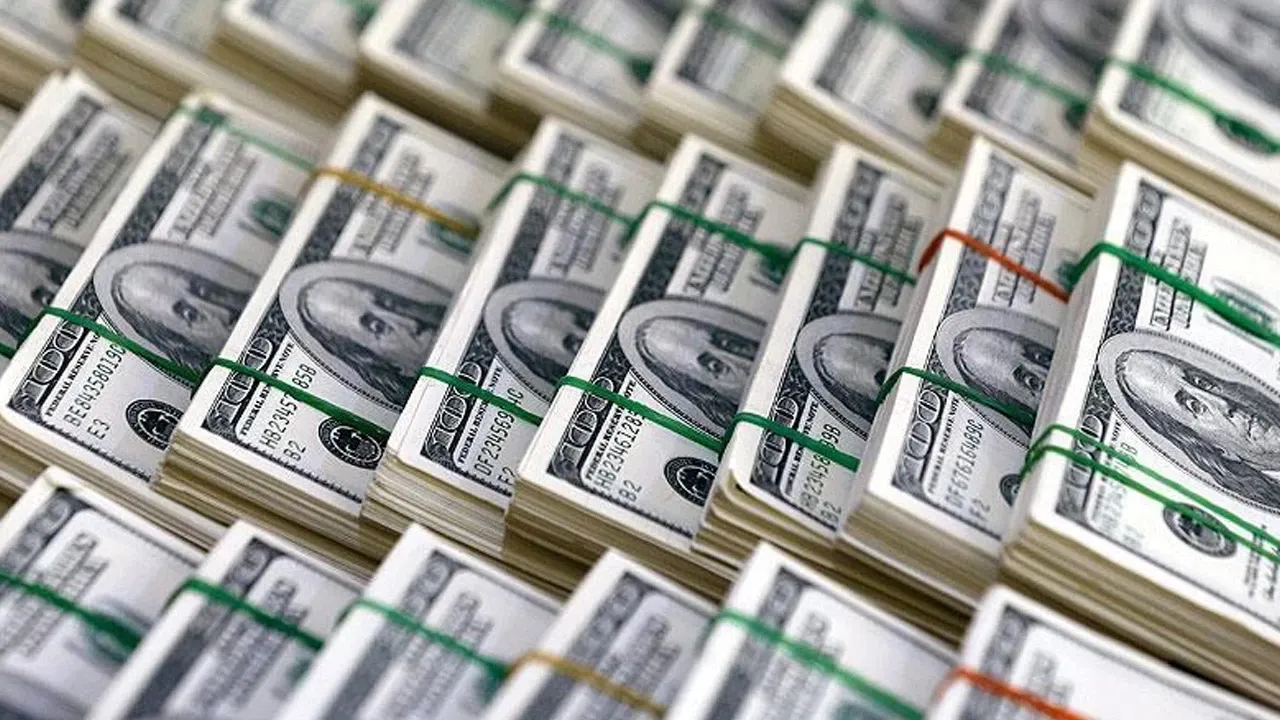
The price of the US dollar, the primary currency in foreign exchange trading, has been climbing for more than a month. Several state-owned and private commercial banks face allegations of artificially pushing rates higher by purchasing dollars beyond their genuine requirements. Following preliminary evidence, multiple Bangladesh Bank inspection teams have initiated inquiries into 16 banks, according to sources.
The inspection teams will examine transactions and gather required evidence.
Bangladesh Bank is preparing to take punitive action based on their findings.
According to relevant sources, the lenders under scrutiny include 16 commercial banks, comprising private institutions such as City Bank, Shahjalal Islami Bank, Standard Islami Bank, Pubali Bank, UCB Bank, Al-Arafah Islami Bank, BRAC Bank, and Bank Asia, alongside state-owned Bangladesh Krishi Bank.
When asked for comment, managing directors of the respective banks offered varying explanations.
The dollar exchange rate has been rising for over a month.
The central bank launched an inquiry to uncover the causes behind the sudden surge in demand and pricing. As part of preventive efforts, the central bank held a preparatory meeting on November 15, chaired by Deputy Governor Sarwar Hossain, summoning treasury heads from all scheduled banks.
Bankers presented diverse arguments and reasons behind the recent surge in dollar values.
At the close of the meeting, the central bank cautioned lenders against purchasing dollars from remittance houses or the open market unless meeting legitimate import demand. Authorities warned that individual bankers and institutions involved in speculative or artificial purchases would face strict penalties.
Several bank officials who attended the meeting disclosed that many institutions had no outstanding letters of credit (LCs). Some banks did not even conduct regular import-export financing. Yet, like other lenders, they continued buying dollars.
Consequently, institutions with genuine payment obligations were forced into aggressive bidding at elevated rates to stay competitive, adding upward pressure on the exchange rate. This issue was highlighted during the discussions.
Immediately afterwards, Bangladesh Bank issued directives ordering all banks to halt dollar purchases unless supported by actual import demand. Shortly thereafter, the central bank's supervisory departments launched probes against nearly a dozen and a half lenders.
Evidence of rising exchange rates is apparent across the interbank foreign exchange market. Bangladesh Bank data shows the interbank rate has reached 124.75 taka per dollar, having touched 124.85 taka a week earlier. Meanwhile, open market kerb rates crossed 128.10 taka.
The dollar price rally began in early October when the interbank exchange rate stood at 123 taka. By the final trading day of October, it climbed to 123.99 taka.
To stabilise supply, the central bank sold dollars from foreign reserves four times over the past month while making zero market purchases. In total, Bangladesh Bank sold 46 crore 20 lakh dollars ($462 million). Through this period, the rate climbed from 123.63 taka to reach 124.75 taka.
Despite central bank intervention, the dollar exchange rate rose by 1.12 taka, or 0.90 percent, within a single month. During central bank auctions in this period, commercial banks submitted bids to purchase up to 124 crore dollars ($1.24 billion).
Bangladesh Bank purchases dollars when market inflows surge to prevent sharp local currency appreciation. Conversely, when foreign exchange demand spikes, the central bank releases liquidity by auctioning dollars from national reserves.
Over the past month, the central bank engaged exclusively in selling foreign currency. Just 10 days ago on November 12, the central bank offloaded 20 crore dollars ($200 million) at an average rate of 124.85 taka. The last time Bangladesh Bank purchased foreign currency from commercial lenders was on September 1, acquiring 5 crore dollars ($50 million).
City Bank Managing Director Mashrur Arefin, who also serves as chairman of the Association of Bankers, Bangladesh (ABB), said: "Our primary responsibility is to settle import payments on schedule. At the same time, we ensure that clients suffer no financial or reputational injury."
He added: "We state with full confidence that City Bank was not involved in any artificial price manipulation of the US dollar, nor did we breach Bangladesh Bank directives."
Explaining the pricing pressure, Arefin remarked that the US dollar has appreciated against the taka primarily due to temporary imbalances in supply and demand. Leading banks that handle government import LCs currently face elevated foreign currency requirements and procure liquidity from interbank and remittance channels to meet those obligations.