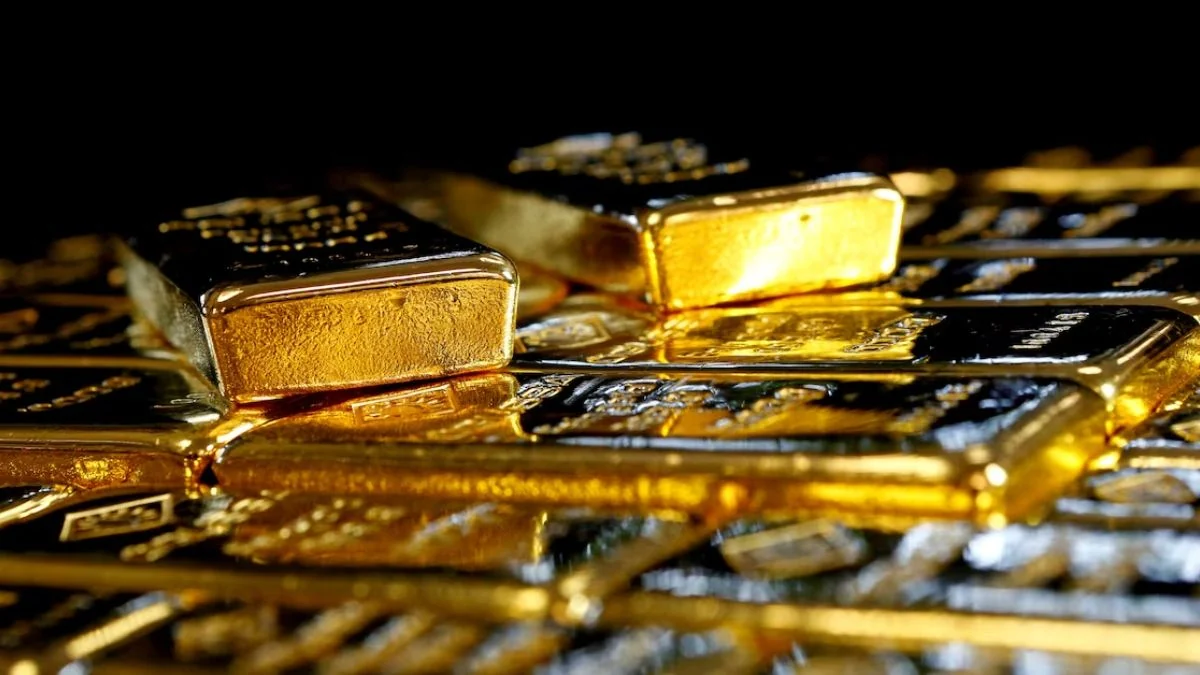
In today's world, gold serves not merely as jewelry or a savings vehicle, but as a primary benchmark of economic security and geopolitical clout. In both production and consumption, China sits at the pinnacle of the global precious metals industry.
According to the World Gold Council, China maintained its top global ranking by producing 384.3 tonnes in 2025 (384 tonnes) and 380.2 tonnes in 2024 (380 tonnes). In addition to refining domestic ore from its own mines, the country processes raw materials imported from abroad.
A SunSirs report citing China Gold Association figures noted that during the first three quarters of 2026, total gold output in China reached 347.99 tonnes (347 tonnes, 99 hundredths), down 11.44 percent (11 percent, 44 hundredths) compared with the same period a year earlier.
Meanwhile, domestic gold consumption reached 684.623 tonnes (684 tonnes, 623 thousandths) in the first nine months of the year. While jewelry demand fell 33.86 percent (33 percent, 86 hundredths), investment purchases of bars and coins grew 26.26 percent (26 percent, 26 hundredths). Even as price fluctuations create market risks, GlobalData figures show that among more than 1,352 active mines worldwide (352), 117 are located in China, including Shaxi Copper Mine, Yixingzhai, Sanshandao, Jiaojia, and Dexing Mine.