
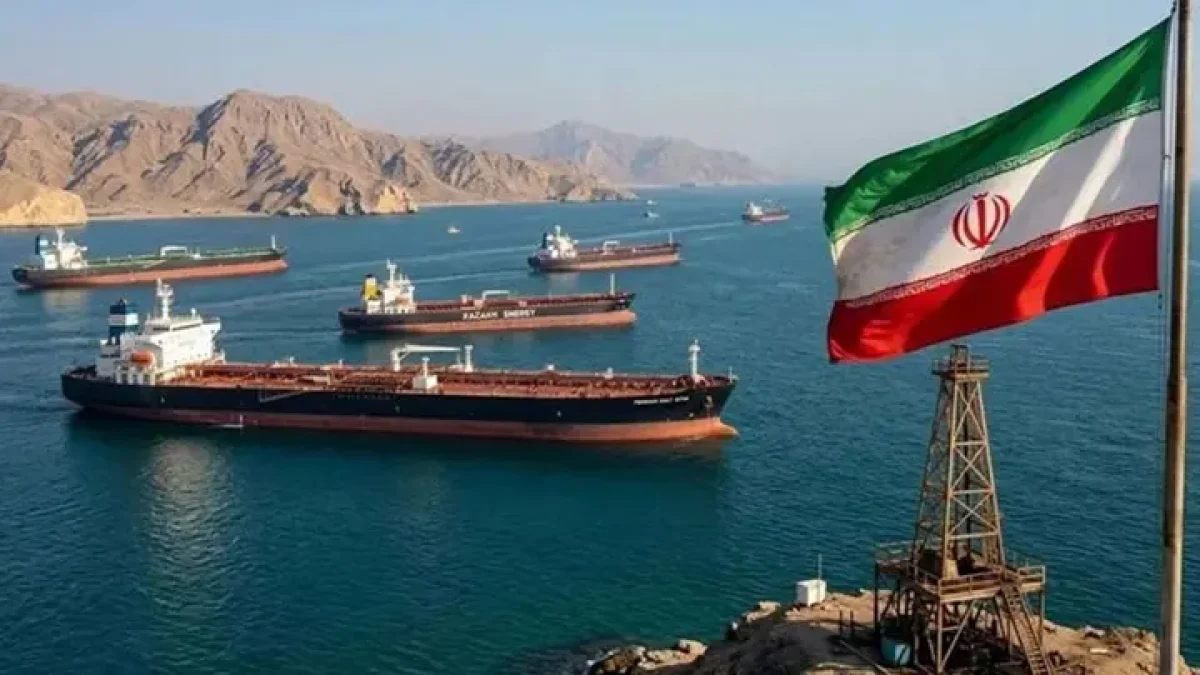
Iran is moving to further strengthen its control and surveillance in the Strait of Hormuz, using the strategic waterway as a tool to exert pressure on Washington in response to the growing US naval blockade and pressure.
Iran's military said another oil tanker was struck by a naval mine in the Strait of Hormuz, bringing the number of tankers hit by naval mines since yesterday to four.
Reporting from Tehran, Al Jazeera correspondent Rania Qasimi said there are signs of a decision to tighten Iran's control over the Strait of Hormuz. As the United States steps up pressure on Iran by intensifying its naval blockade, imposing new restrictions and attempting to establish a full land and air blockade on the country, Iran is seeking to expand its control in the strait as a countermeasure.
Hossein Mohebi, spokesman for Iran's Islamic Revolutionary Guard Corps (IRGC), said the Strait of Hormuz will not be reopened until seven Iranian conditions are met, adding that Tehran could enter talks on its nuclear program only if those conditions are fulfilled.
He further said there will be no negotiations on the nuclear issue until Iran's 22 rights under the Nuclear Non-Proliferation Treaty (NPT) are implemented, noting that most of these rights involve technical and technological matters.
Mohebi also highlighted another key aspect of Iran's stance, saying there are indications at the policymaking level that Tehran wants to end the uncertain "neither war nor peace" situation with the United States, as well as halt Washington's war of attrition and long-term pressure strategy against Iran.
Overall, Iran is pursuing a dual strategy to increase pressure on the United States by tightening control over the Strait of Hormuz and demanding that its conditions be met before any nuclear talks.