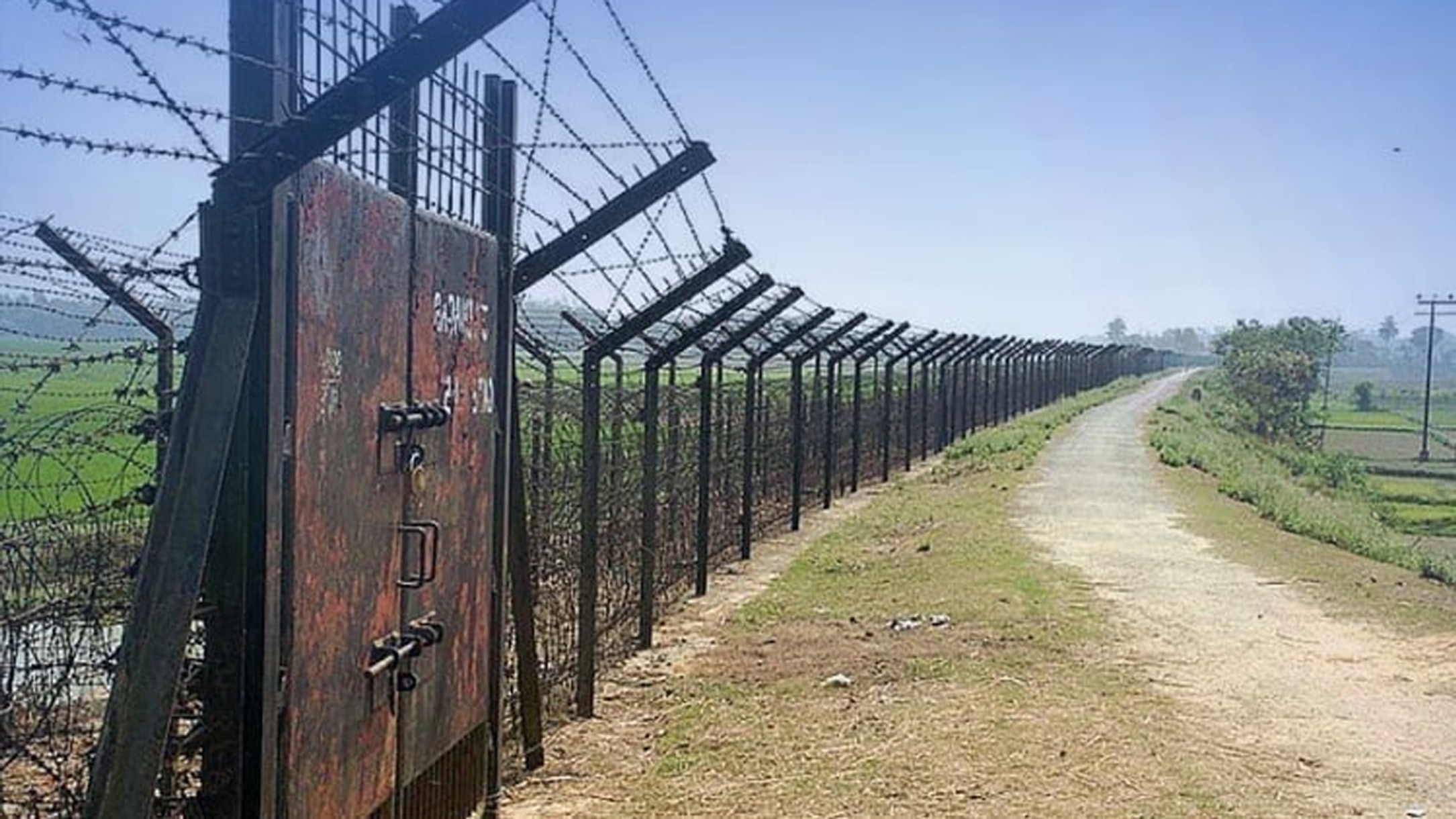
DHAKA — Political tensions surrounding a likely Bharatiya Janata Party (BJP) victory in West Bengal’s assembly election are raising fresh security concerns along the Bangladesh border, with fears of violence, communal clashes and attacks on Muslim minorities across the Indian state. Against that backdrop, the Border Guard Bangladesh (BGB) and other law enforcement agencies have stepped up vigilance along the frontier to guard against the risk of irregular crossings or forced “pushbacks.”
Sources said the risk is concentrated where the West Bengal districts of Murshidabad, Malda and Uttar Dinajpur share direct borders with Bangladesh’s Dinajpur, Naogaon, Joypurhat and Rajshahi regions. Special alerts have been issued at key crossings, including the Hili land port, and patrols have been increased.
Analysts said West Bengal is more than just an Indian state in South Asia’s geopolitics; it is a strategic link in Bangladesh-India relations. Shared language, culture and economic ties mean political shifts in the region can ripple across the border, making the post-vote environment more sensitive.
The election has been dominated by a bitter dispute between the BJP and the Trinamool Congress over alleged “infiltration” and the Special Intensive Revision (SIR) of the voter roll. About 9.1 million names were dropped during the SIR, a large share of them Muslim, according to critics — a development that had already fueled border-security worries before the vote. The BJP campaigned on a “zero tolerance” policy and pledged tough action against infiltration. Indian Home Minister Amit Shah’s statement that “infiltrators” would be identified and deported after the election has added to the tension along the border.
Security analyst Maj. (retd.) Ashrafuzzaman Khan said the large-scale removal of names from the voter list, most of them belonging to Muslims, could create a humanitarian and security crisis. He said there is a risk that a new legal framework could be used to push these people across the border into Bangladesh, potentially creating another complex crisis on the scale of the Rohingya influx. Khan called for coordinated surveillance by the BGB, police and other agencies along the frontier. BGB sources said precautionary measures have been taken so that post-election developments in West Bengal do not destabilize the border, with stepped-up patrols, additional intelligence monitoring and closer coordination with local administrations.
Officials said the uncertain status of millions of people removed from the voter list could trigger a humanitarian crisis in border areas. In the past, India has been accused of forcibly pushing people across the border even when they carried valid documents, drawing criticism from international human rights groups. A BJP-led result, they said, makes a repeat of such incidents difficult to rule out.
High-risk border routes
Sources said several key entry points run between West Bengal’s Murshidabad, Malda and Uttar Dinajpur districts and Bangladesh, including a river route from Lalgola in Murshidabad to Rajshahi, a land route from Jalangi to the Kushtia-Meherpur frontier, the Mahdipur crossing in Malda leading to the Sonamasjid land port in Chapainawabganj, and the Radhikapur and Hili border points in Uttar Dinajpur. All carry both authorized traffic and a risk of irregular crossings, which could complicate the security picture.
Intelligence sources said there is no official figure for “illegal Muslim voters” in West Bengal, but the SIR has sparked widespread debate. The Election Commission has said about 9 million names were dropped from the rolls. Various analyses contend that a large share of those removed are Muslim, though that claim is contested.
Demographic trends show the Muslim share of the population in the border districts has risen significantly over the past decade. In Murshidabad, Malda, Uttar Dinajpur and several other districts, Muslims make up more than 50 percent of the population, with significant political weight. Those districts also account for a large number of voter-roll review cases.
Maj. Gen. (retd.) Rokon Uddin said the geography of the roughly 4,000-kilometer Bangladesh-India border — rivers, wetlands and rugged terrain — makes management difficult. Ignoring humanitarian norms and international standards in the name of security, he said, could damage bilateral ties. He expressed hope that if the two countries maintain diplomatic engagement through any political shift, calm along the frontier can be restored.
Overall, West Bengal’s political situation is no longer just an Indian domestic matter; it has become a critical test for Bangladesh-India border security, humanitarian conditions and regional stability.
বাংলায় মূল প্রতিবেদন পড়ুন · Read the original Bengali report