The US Senate has approved a bill giving US President Donald Trump the power to impose tariffs of up to 100 percent on the world’s top five buyers of Russian oil or natural gas. The move creates the risk of heavy tariffs on major buyers of Russian oil and gas, including India and China.
The bill is named in memory of Lindsey Graham, a staunch supporter of Ukraine and Republican senator who died on 11 July. It passed the Senate by 86-11.
Lindsey Graham had lobbied strongly for new sanctions on Russia since the start of the Ukraine war. The Russia-Ukraine war has now entered its fifth year.
Darlene Graham, his sister who succeeded him in the Senate, said the bill would “hit Russian President Vladimir Putin exactly where he is weak”.
Democratic senator Richard Blumenthal had pushed alongside Graham for more than a year to pass the bill. He said the people of Ukraine were “not alone”.
After the vote, the senator said: “Today President Volodymyr Zelensky is watching this from Ukraine and Putin from Moscow. I like to think Lindsey Graham is watching it too, from above.”
Making his point clearer, Blumenthal said: “Today we tell the people of Ukraine, you are not alone. And to Vladimir Putin, you cannot conquer Ukraine.”
The bill will now go to the US House of Representatives for approval. It will be debated there when the House reconvenes on 31 August.
The bill, which won Republican and Democratic support, gives President Trump the power to impose 100 percent tariffs on the world’s top five buyers of Russian oil or gas. That list includes India and China.
Along with India and China, the current top five buyers of Russian oil and gas include Azerbaijan, Hungary and Slovakia.
However, countries that import less than 15 percent of their total natural gas from Russia and are taking steps to reduce that are given room for exemption under the bill.
The bill also provides for sanctions on Russian President Vladimir Putin, the country’s senior political and military leaders, and its financial institutions and energy projects.
Old oil tankers that Moscow uses under changed flags can also be brought under US sanctions through the bill. Russia uses these ships to try to evade existing US sanctions on income from its oil and energy.
The White House is also given the power to lift sanctions or restrictions if needed in the national interest. But in that case the president must assure Congress that such a step is necessary in the national interest.
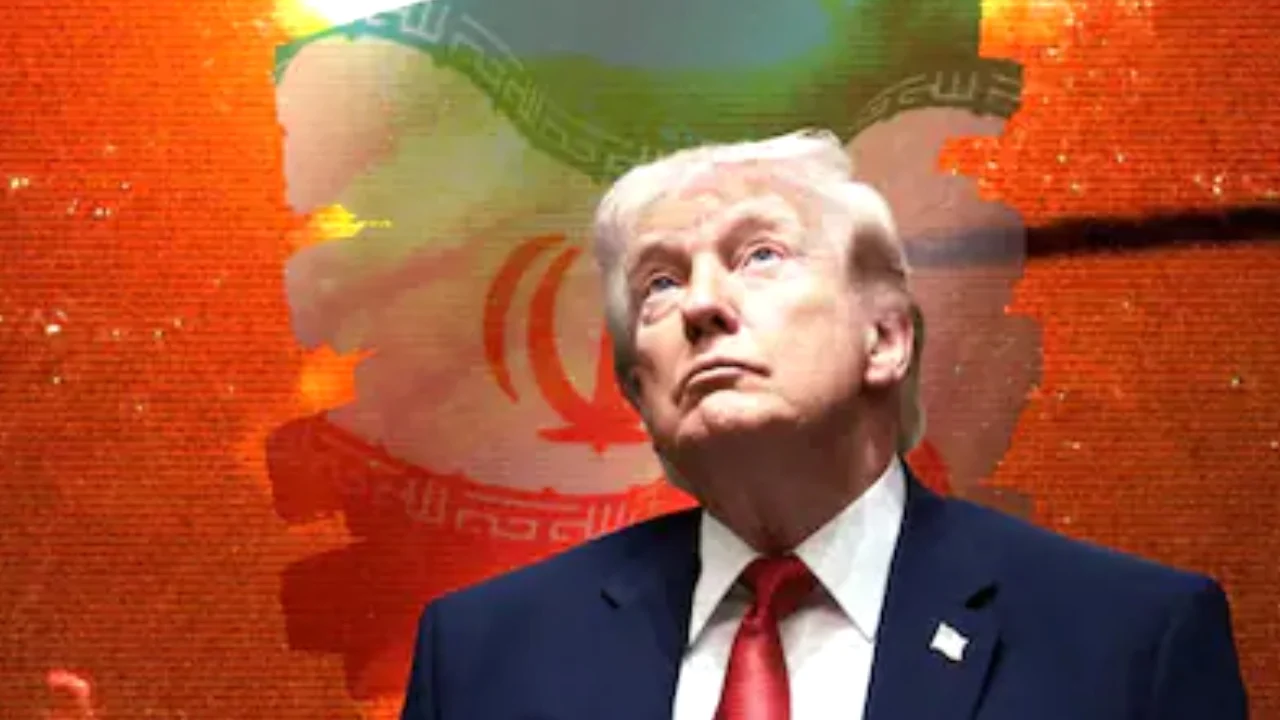
Alongside sanctions on Russia, the bill also extends the 1996 Iran Sanctions Act to 2031. Under that law the United States takes punitive measures against companies investing in Iran’s energy sector.
বাংলায় মূল প্রতিবেদন পড়ুন · Read the original Bengali report