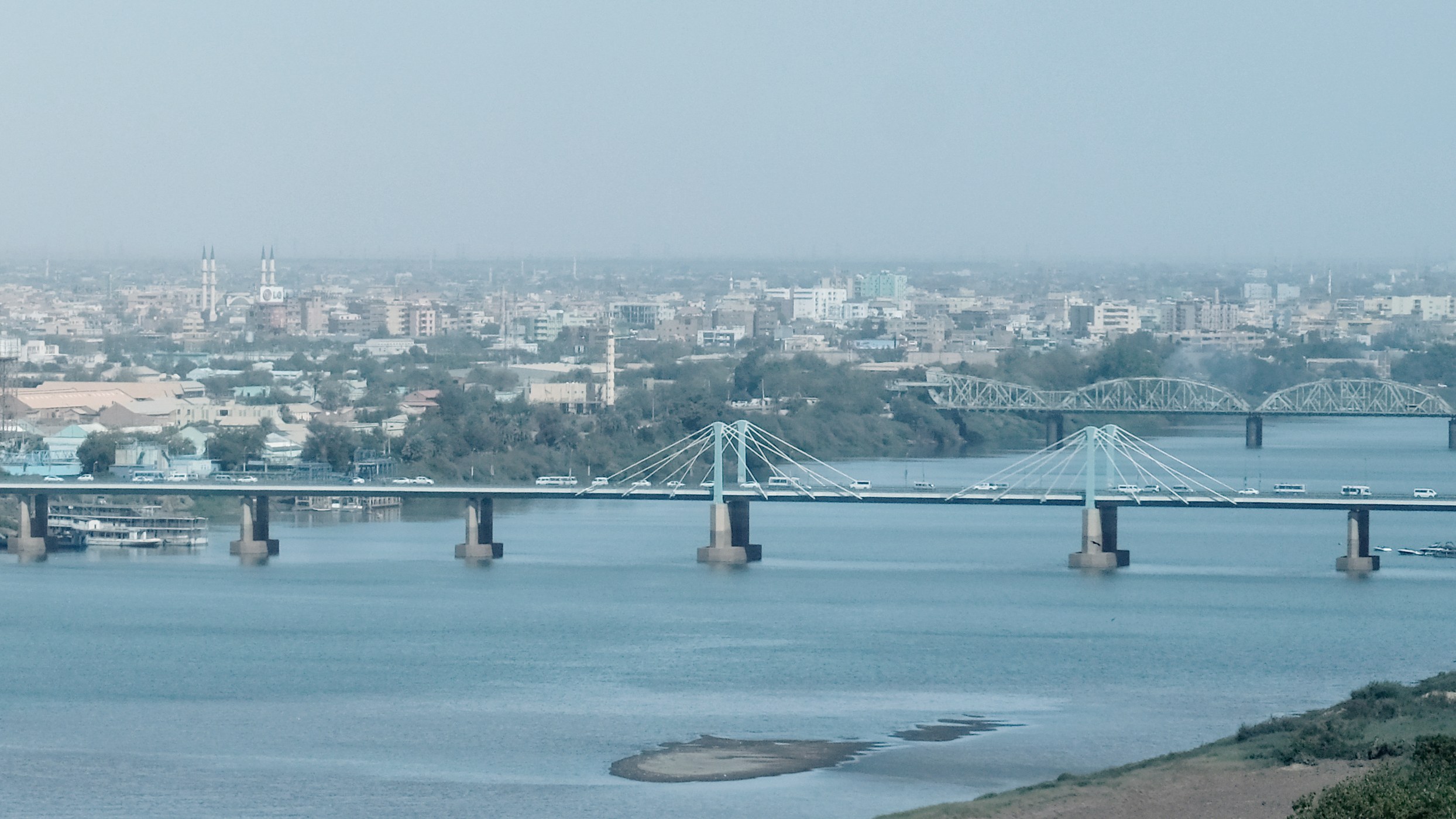
Britain has sanctioned 15 commanders from Sudan’s rival forces as drone attacks cut electricity across parts of the country. The package, announced on October 26, marks a year since the fall of El Fasher. It follows British-funded investigations into starvation and sexual violence against civilians.
Story in brief
- Britain imposed a travel ban and asset freeze on 15 senior commanders from the Rapid Support Forces and the Sudanese Armed Forces, suspected of atrocities including conflict-related sexual violence, in a package announced on the first anniversary of the fall of El Fasher.
- The designations rest on reporting by the UK-funded Centre for Information Resilience, which documented systematic starvation and sexual violence by all sides, and reported this week that the same tactics are still being used across Sudan.
- On Monday, drones hit five power substations in the south-east, and on Tuesday a substation in Omdurman was struck, cutting power to much of Khartoum. The United Nations has documented at least 306 drone-strike deaths in the first three weeks of October.
- A Guardian investigation reported earlier this year that internal American and British warnings were sidelined before El Fasher fell, and that action which might have saved lives was not taken.
Designations on the anniversary
The fall of El Fasher, the capital of North Darfur, came at the end of an eighteen-month siege that starved hundreds of thousands of civilians. In the days after the city fell, civilians were massacred and women and girls were subjected to sexual violence on a large scale. Britain chose the first anniversary of the fall to name the men it holds responsible.
The list names commanders from the Rapid Support Forces and the Sudanese Armed Forces together. The release names two men as examples. Hussein Abu Jalak is an RSF colonel linked to atrocities during the siege, in which hundreds of thousands of civilians were forced to live off animal feed. Al-Nour Ahmed Adam, known as Al-Qubba, was identified as present and playing a prominent role in besieging and attacking the city. The sanctions impose a travel ban and an asset freeze on all 15, and they follow five previous rounds of British designations aimed at the war’s perpetrators and the networks that support them.
The evidence behind the list is the reporting of the Centre for Information Resilience, investigators funded by the British government. Their reporting found a campaign of systematic starvation and conflict-related sexual violence against civilians by both sides of the conflict. Foreign Secretary Ed Miliband said the investigations had shown that “rape and starvation are still being weaponised against the people of Sudan”, called the acts “crimes against our humanity”, and said support from all external backers to the warring parties must end. The RSF has been alleged to be backed by the United Arab Emirates, which continues to deny supporting it.
Britain paired the designations with 15 million pounds of new money: five million to support survivors of sexual violence, and ten million for the humanitarian response, including clean water and sanitation at displacement sites around Tawila and health services in El Obeid.
Civilians still trapped in El Fasher
Before the war El Fasher held more than a million people. Amnesty International says fewer than 70,000 remain, citing humanitarian organisations working in the city. Estimates of those killed during the takeover and those still missing remain uncertain.
For those who stayed, the siege did not end with the city’s fall. Amnesty International’s October report describes arbitrary detention, torture and unlawful killings continuing inside El Fasher, with schools used as detention centres and residents under surveillance by the RSF. Amnesty’s secretary-general, Agnes Callamard, said the RSF’s claims that El Fasher is safe for civilians to return to “could not be further from the truth”. The investigators’ latest reporting reaches the same present tense: CIR footage shows RSF fighters discussing shutting off water supplies to El Fasher and preventing traders from bringing food into the city, a year after the siege that starved it ended.
Warnings that were set aside
An investigation published earlier this year raised questions about the international response before El Fasher fell. It reported that US and UK warnings were sidelined. Britain’s latest designations cover both warring forces; the assault on El Fasher was carried out by the RSF.
The sanctions prohibit travel and freeze assets within the reach of British jurisdiction. The release does not say whether any of the 15 commanders has assets that have actually been frozen.
Drone attacks on power stations and a market
The latest drone attacks have hit electricity infrastructure and a market, beyond the city whose fall the sanctions commemorate. Responsibility for individual attacks remains disputed.
On Monday, according to the Sudan Electricity Holding Company, drones damaged five substations, at Singa, Al-Hawata, Al-Faw, Mashkur and Al-Junaid, blacking out the south-eastern grid across Sennar, Gedaref, White Nile and Gezira states. Guards at the Singa substation were injured. Early on Tuesday, witnesses told Anadolu that a drone struck the Al-Markhiyat substation in north-western Omdurman, cutting electricity to large parts of Khartoum. By mid-morning there was no official statement on who carried out the Tuesday strike. The company accused the RSF of Monday’s five attacks, and Sudanese authorities have repeatedly accused the RSF of targeting civilian infrastructure. A source at the same company later told AFP that RSF drones had targeted the Al-Markhiyat station. The RSF rarely comments on such accusations and maintains that it works to protect civilians.
A separate attack struck a market in Nyala, the RSF’s de facto capital in South Darfur, on Monday night. A medic at Nyala Hospital and witnesses told AFP that 21 people were killed and more than 40 wounded. The RSF accused the army of killing civilians; the army said it had targeted RSF command and control centres. The medic could not say how many of those killed were fighters. The reported toll is an early count, not a final civilian total.
The United Nations Human Rights Office has documented at least 306 deaths from drone strikes in the first three weeks of October alone, in attacks attributed to both armies. The investigators Britain funds describe the pattern in the same terms as the siege: drone attacks on civilian infrastructure and humanitarian operations, and the systematic obstruction of aid, used regularly as weapons of war.
What happens next
The next measures of the sanctions are enforcement and any matching action by other governments. Miliband called on the RSF and SAF to stop attacking aid convoys and allow food to reach communities. Whether electricity and water supplies are restored after the substation attacks will also affect access to essential services.
বাংলায় মূল প্রতিবেদন পড়ুন · Read the original Bengali report