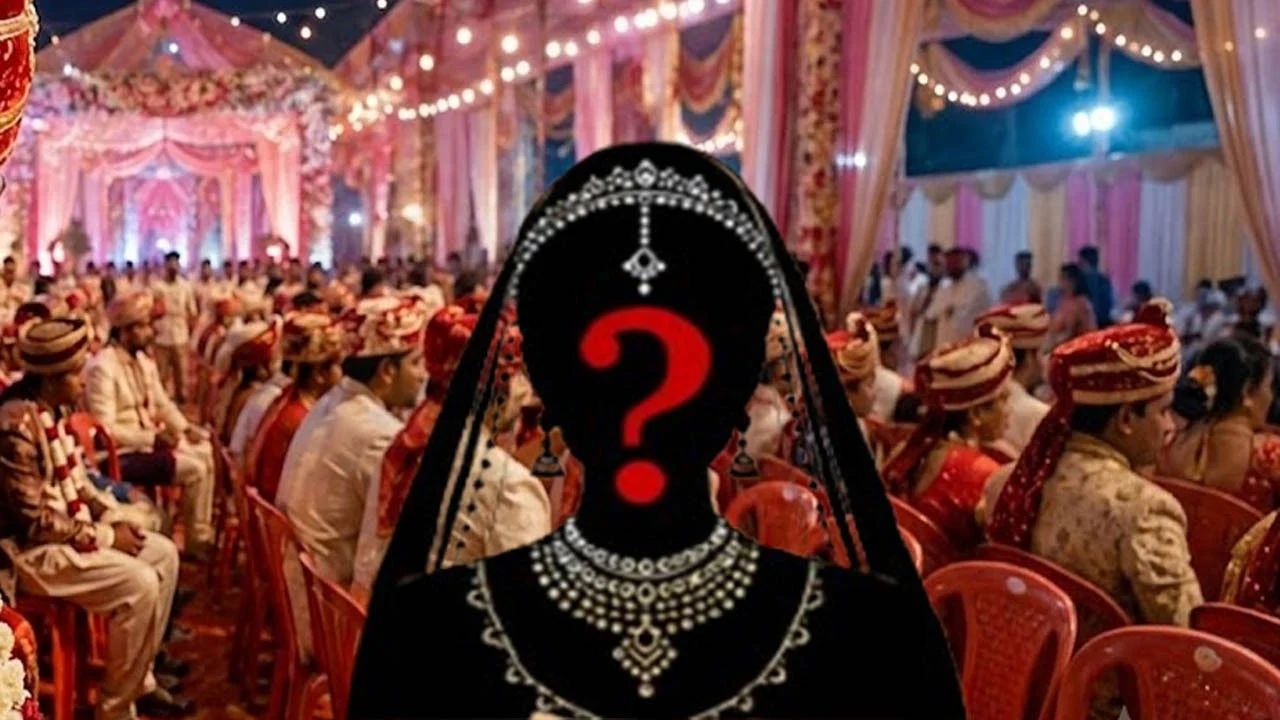
In Islam, marriage is not merely a social contract; it is a sacred act of worship, a responsibility and a trust. Although a Muslim man is permitted more than one marriage in particular circumstances, Islam does not present this as an unconditional right. Rather it sets justice, financial capacity, responsibility and fear of God as the basic conditions for plural marriage. Islam does not permit a marriage to be kept secret; announcing or publicising it in society afterwards is required.
Announcing the marriage (i’lan)
The Messenger of Allah (peace be upon him) clearly instructed that marriage be conducted openly, and that arrangements be made so that people in society come to know a marriage has taken place.
Witnesses and guardian
For the marriage contract (aqd) to be valid, two male Muslim witnesses (or one man and two women) and the presence of the bride’s guardian (wali) are required. A hadith states that there is no marriage without a guardian and two upright witnesses. (Sahih Ibn Hibban)
Walima
The best and most sunnah-approved means of announcing a marriage is the walima, the marriage feast. Sharing the joy of the marriage and making it known by inviting relatives, neighbours and the needy according to one’s means is an act at the level of wajib or mustahab. The Messenger of Allah (peace be upon him) himself held a walima and told the Companions to do so. He held a walima the day after his marriage to Zaynab bint Jahsh (may Allah be pleased with her). (Bukhari, hadith no. 5170) After his marriage to Safiyyah (may Allah be pleased with her) he provided a walima for three days. (Musnad Abu Ya’la, hadith no. 3834)
The duff and rejoicing
Islam permits women to sing while playing the duff (a kind of drum) to announce a marriage, so that people nearby understand that a marriage is taking place. It is narrated from Aisha (may Allah be pleased with her) that the Messenger of Allah (peace be upon him) said: announce marriages, conduct them in the mosque, and beat the duff on the occasion. (Sunan al-Tirmidhi, hadith 1089)
বাংলায় মূল প্রতিবেদন পড়ুন · Read the original Bengali report