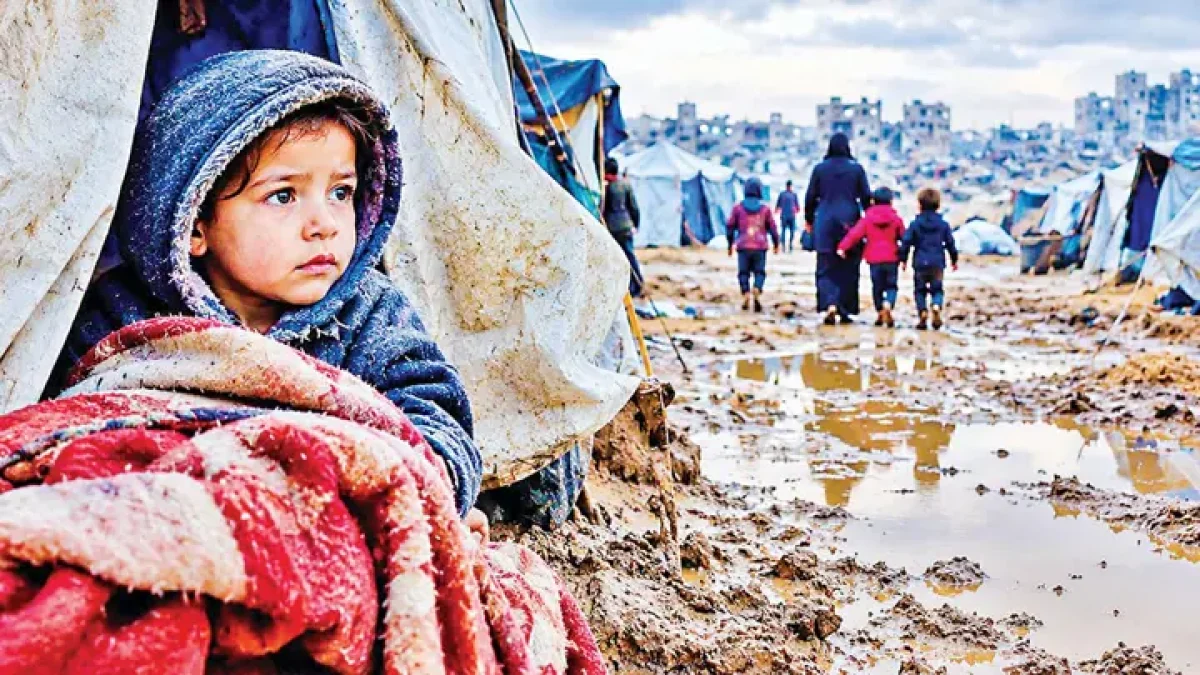
With the turn of the seasons, cool winds and a blanket of mist have brought winter to our doorstep. For the wealthy, winter means colourful attire, traditional cakes and comfortable sleep under warm blankets, but for the helpless, homeless and day-labouring people in society, the season arrives as severe hardship. The plight of an unclothed elderly person sheltering on a pavement or a child shivering in biting cold repeatedly tests our humanity. Yet in Islam, this seasonal shift is not merely a time for comfort, but a unique opportunity to stand beside the underprivileged and strengthen bonds of brotherhood. In the Holy Quran, Almighty Allah declares: "The believers are but brothers." (Surah Al-Hujurat: 10)
Illustrating this teaching of brotherhood, the Prophet (peace be upon him) said: "The example of the believers in their affection, mercy, and compassion for each other is that of a body. When any limb aches, the whole body reacts with sleeplessness and fever." (Muslim: 2586). Let our commitment therefore be to ease the suffering of the helpless in the biting cold and turn this season into a true festival of brotherhood between the rich and the poor.
Islam is not merely a collection of formal rituals, but a complete way of life centred on human welfare and social equity. In the Holy Quran, Almighty Allah clearly states: "And in their wealth there was a known right for the beggar and the deprived." (Surah Adh-Dhariyat: 19). When poor people suffer in severe cold for want of a single warm garment, stepping forward by those with means is not mere charity, but an important religious and moral duty. The Messenger of Allah (peace be upon him) meaningfully said: "He is not a believer whose stomach is filled while his neighbour goes hungry." (Al-Adab al-Mufrad: 112). Likewise, when we spend nights in the warmth of expensive quilts and blankets while ignoring the plight of freezing people around us, our religious and humanitarian responsibility comes into question. Describing the mark of a true believer, the Prophet (peace be upon him) also said: "None of you truly believes until he loves for his brother what he loves for himself." (Bukhari: 13)
To underscore the importance of relieving human suffering, a Hadith Qudsi narrated in Sahih Muslim states that on the Day of Judgment, Almighty Allah will say to a servant: "O son of Adam, I asked you for food and you did not feed Me." The servant will reply in astonishment: "O my Lord, how could I feed You when You are the Lord of the worlds?" Allah will then explain that one of His servants was hungry, and had the person fed him, he would have earned Allah's pleasure. The same narration also mentions caring for the sick and giving water to the thirsty. (Muslim: 2569)
This makes clear that coming forward in people's hour of need and easing their distress is one of the foremost ways to attain Allah's pleasure. Placing a warm garment in the hands of a shivering person can therefore be a significant occasion for earning divine approval.
In our society, a tendency toward showmanship and publicity is often seen around the distribution of winter clothes, which runs counter to the core spirit of Islam. Gathering around a recipient while handing over a blanket to take photos and post them on social media can hurt their self-respect. The Holy Quran states: "O you who have believed, do not invalidate your charities with reminders or injury." (Surah Al-Baqarah: 264)
Highlighting the virtue of discreet charity, the Messenger of Allah (peace be upon him) said that among the seven categories of people who will be shaded under Allah's special shade on the Day of Judgment is a person who gives charity so secretly that his left hand does not know what his right hand has given. (Bukhari: 1423). Moreover, we need to change our mindset when buying winter clothes: instead of buying thin, low-quality blankets at nominal prices for show, we should provide durable, quality warm clothing that genuinely protects against the cold. The Holy Quran says: "Never will you attain the good [reward] until you spend [in the way of Allah] from that which you love." (Surah Ali Imran: 92)
The long nights and short days of winter also create special opportunities for worship for a believer, which is why winter is metaphorically called the 'springtime of the believer'. Long nights increase opportunities for voluntary prayers such as Tahajjud, while short days make voluntary fasting comparatively easier. However, this springtime of worship becomes truly meaningful only when, alongside personal devotion, we also bring warmth to those suffering from the cold. The Messenger of Allah (peace be upon him) said: "Allah is in the aid of His servant as long as the servant is in the aid of his brother." (Muslim: 2699)
Let us therefore stand beside winter-affected people through both personal initiatives and social and institutional efforts. Through the generosity of the affluent and smiles on the faces of the helpless, may an unbreakable bridge of love be built in society, and may this winter become a celebration of humanity and brotherhood, wrapping everyone in mutual compassion beyond rich-poor divides.