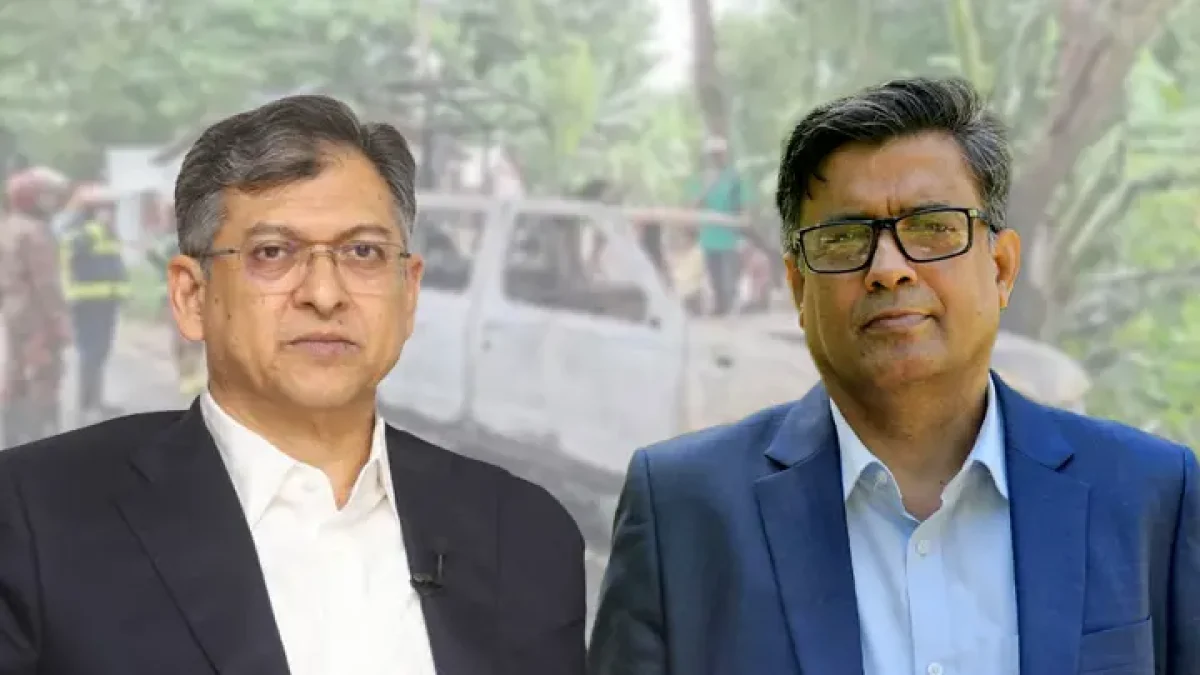
DHAKA — The decision not to take pre-emptive action against the Awami League in Bangladesh was a deliberate political calculation by Home Minister Salahuddin Ahmed, according to Shafiqul Alam, editor of The Daily Wadah and former press secretary to the interim government's chief adviser. Alam argued that the Awami League fell into its own trap by resorting to violence.
Alam made the remarks in a statement published on his personal Facebook profile on Sunday.
Many questioned why Salahuddin Ahmed did not take pre-emptive steps against the Awami League, Alam wrote, explaining that the restraint was part of a broader political calculation that raised eyebrows at the time but executed flawlessly according to plan.
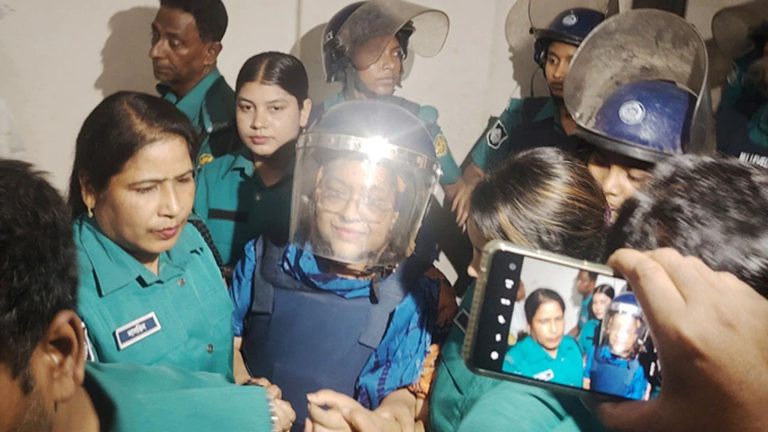
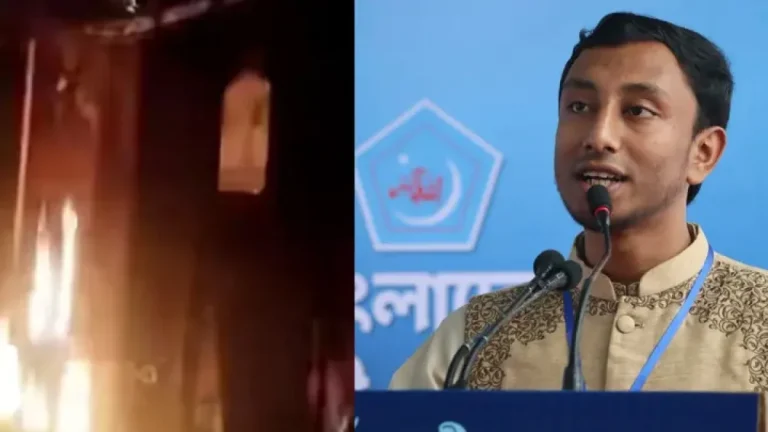
Armed with machetes (da), Awami League activists set fire to the homes of BNP members of Parliament and ordinary citizens, torched police stations, and intercepted bus passengers wearing prayer caps or beards to scrutinise their political loyalties, Alam observed. While the disturbing scenes led some to perceive government weakness and stoked public fears of an Awami League resurgence, the situation was in fact a trap that the party stepped right into.
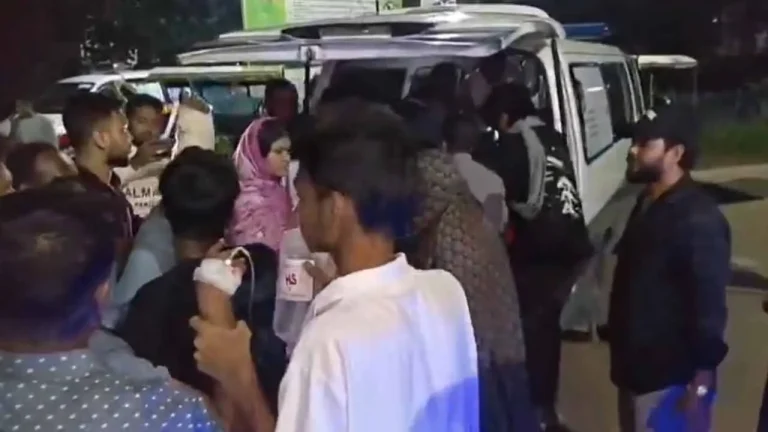
With five deaths, numerous buses torched, and sudden attacks using crude bomb explosives and petrol bomb devices, Alam asked what the Awami League had ultimately achieved beyond sympathetic coverage in Indian media. While the party sought to build political momentum for their exiled leader's return, premature violence sabotaged those efforts.
The government barely needed to intervene, Alam noted, as unrest failed to spread significantly beyond the greater Gopalganj region. Even after five people were killed by Awami League activists, tensions did not escalate into wider nationwide clashes. Once the situation settled, Salahuddin Ahmed dispatched the chiefs of the three armed services to Gopalganj. Before security forces initiated large-scale operations, young Awami League activists had already fled to other districts, leaving Gopalganj quiet.
To confront the Awami League politically, BNP Chairman and Prime Minister Tarique Rahman called on opposition parties to form a broader coalition. Alam termed the move an astute manoeuvre that caught the Awami League and its foreign backers off guard. Jamaat-e-Islami Ameer Dr. Shafiqur Rahman welcomed the initiative and met the Prime Minister for private talks, after which Jamaat and its allies announced a 40-day political campaign.
While Awami League commentators may portray this political unity as a reaction to their resurgence, Alam argued that parliamentary parties achieved unprecedented unity, presenting a cohesive front that had been missing since the election. The coalition leaves the Awami League with few tactical choices: escalate violence or face deeper irrelevance, with further violence likely bringing catastrophic consequences.
Alam stated that forcing a political settlement through escalated violence would only alienate the Awami League from the general public, warning that major bloodshed could trigger intense public outrage and mass retribution.
The Awami League is not an armed guerrilla outfit and cannot sustain an escalating armed confrontation, Alam said, urging its fugitive leadership to recognise the reality for the sake of its grassroots workers.
Noting that time is running out, the former press secretary remarked that the Awami League has until Ramadan to rebuild its domestic standing. If Sheikh Hasina wishes to return, she must find a pathway before then, as the BNP administration will not permit her reentry unless via formal extradition. Citing analyst Sreeradha Datta, Alam noted that India would not extradite her because the BJP lacks the domestic capacity to handle the fallout of extraditing a favoured foreign autocrat.
Following Ramadan and the arrival of the monsoon season, India will have few options other than reassessing the presence of Sheikh Hasina and senior Awami League figures sheltered in Kolkata, likely advising them to seek quiet refuge in Western nations such as the United Kingdom. Sheikh Hasina will realise that Western and Indian press outlets have lost appetite for her talking points, and she may be counselled to remain silent.
Alam concluded that such a shift would signal to Dhaka that New Delhi is ready to host an official state visit by Prime Minister Tarique Rahman, adding that an informal visit to New Delhi by Bangladesh opposition leader Dr. Shafiqur Rahman around 2029 cannot be ruled out.