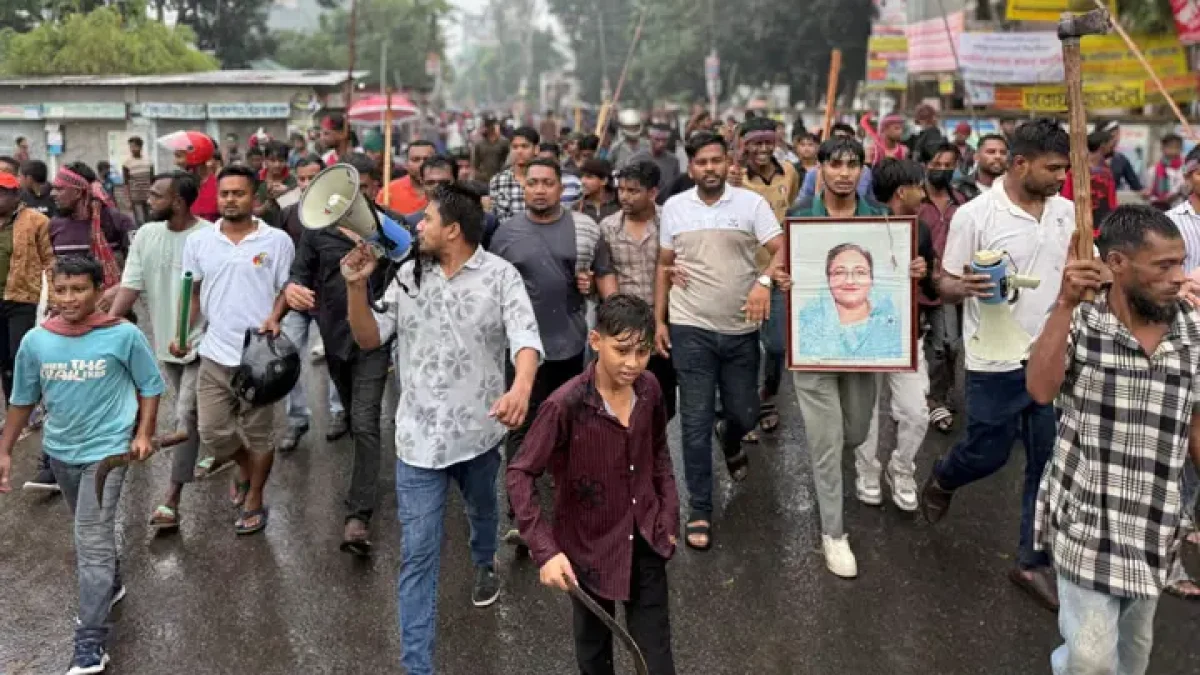
A report published by The New York Times stated that supporters of ousted Prime Minister Sheikh Hasina have launched a "small-scale rebellion" aimed at destabilising Bangladesh, triggering deadly clashes between law enforcement agencies and loyalists of the former autocrat sentenced to death for crimes against humanity.
Bangladesh has been gripped by political violence and unrest for more than a week. Loyalists of the exiled former prime minister have clashed with police and targeted figures in the ruling political party. Police said at least four people have been killed in the unrest so far.
The turmoil has also renewed diplomatic friction between Bangladesh and India. Sheikh Hasina fled to India to seek shelter in 2024 following an uprising led by students and the public, upending what had previously been close bilateral ties between Dhaka and New Delhi.
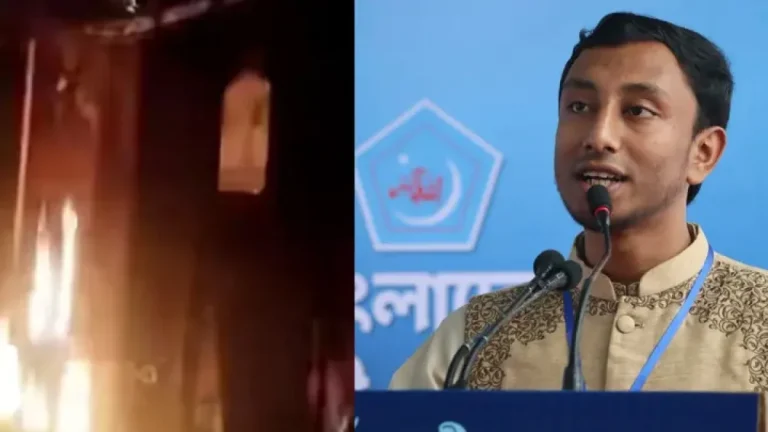
Over the past week and a half, Sheikh Hasina supporters have waged low-level insurgent violence designed to shake the country, setting fire to public transport, police stations, and a hospital. Arsonists also attacked the residences of two leaders of the ruling Bangladesh Nationalist Party (BNP).
Political unrest has spread across parts of the country, turning particularly volatile in Sheikh Hasina's ancestral district of Gopalganj, where demonstrators torched a police station and damaged infrastructure.
Those involved in the violence are activists and supporters of the Awami League, the party Sheikh Hasina led until her ouster in 2024 after weeks of mass protests. She fled dramatically to India after crowds marched on her official residence.
Awami League representatives did not respond to requests for comment from The New York Times regarding the recent unrest.
Late last year, the International Crimes Tribunal convicted Sheikh Hasina of crimes against humanity and sentenced her to death. The chief prosecutor of Bangladesh stated that the death sentence will be carried out if she returns.
Recently, Sheikh Hasina sparked fresh controversy by applying for a passport and national identity card at the Bangladesh High Commission in New Delhi. The Bangladesh government has consistently refused to issue her travel documents.
In an interview with the Associated Press, Sheikh Hasina rejected the death penalty verdict, questioning the legitimacy of the judicial proceedings. She said she was fully aware of the risks of arrest, imprisonment, and death if she returned.
In south-western Gopalganj, violence and protests by pro-Awami League demonstrators were most intense. Demonstrators blockaded the main national highway connecting the western region with the capital, Dhaka, halting vehicular traffic for 36 hours.
Protesters marched with weapons, set ablaze a police van, and assaulted a police officer. Police reopened the highway on Friday morning and arrested dozens of people in connection with the violence.
Sheikh Hasina first became Prime Minister in 1996 and served until 2001, when her party lost elections and the opposition nationalist coalition took power.
In subsequent years, bitter rivalry, mutual accusations, and vindictive politics destabilised Bangladesh's political sphere, with both camps accusing each other of authoritarianism and harsh crackdowns.
The Awami League returned to power following elections in 2009 and governed until 2024, when heavy force was deployed against the student-led mass movement.
The 2024 uprising originated from student demands to reform quota reservations in public civil service recruitment, which critics alleged favoured loyalists of the Awami League.
What began as peaceful student demonstrations escalated into deadly confrontations between student demonstrators, pro-Awami League cadres, and security forces.
Up to 1,400 people were killed during the unrest and government crackdown. During the crisis, Sheikh Hasina shut down the internet and ordered security agencies to detain protesters.
In response to her passport application, Bangladesh Deputy Foreign Minister Humayun Kabir described her as a "terrorist" and a "fugitive offender." Dhaka has called on India to hand over Sheikh Hasina.
However, an extradition by India is considered unlikely. The government of Indian Prime Minister Narendra Modi previously maintained close diplomatic ties with the Awami League administration.
Narendra Modi has not commented publicly on Sheikh Hasina's status, though New Delhi has expressed interest in rebuilding ties with the new administration in Bangladesh.
Prime Minister Tarique Rahman, who took office after leading his party to a landslide parliamentary victory earlier this year, has voiced indirect dismay over India sheltering Sheikh Hasina. Earlier this week, he suggested agitators were receiving directives from across the border. A spokesperson for India's Ministry of External Affairs declined to comment on Friday regarding the ongoing unrest in Bangladesh.