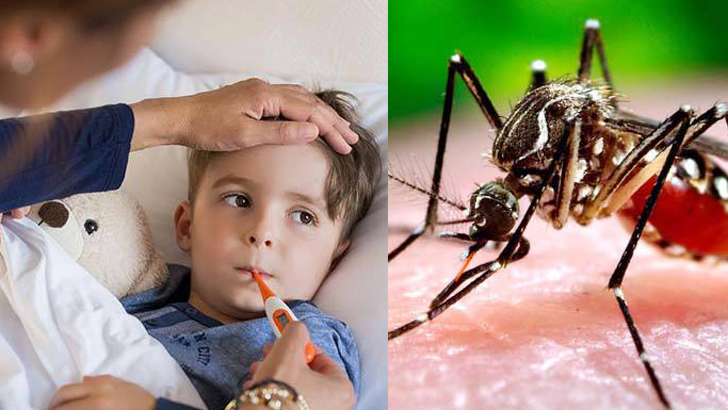
Dengue is a viral disease caused by the dengue virus and transmitted primarily through the bite of the Aedes aegypti mosquito. The mosquito breeds in stagnant clean water, making the monsoon season a high-risk period. Children are particularly vulnerable to rapid complications, making early awareness essential.
The Aedes mosquito typically bites during morning and evening hours. An infected person cannot transmit dengue directly to another person — it spreads only through mosquito bites.
Clinical symptoms: Sudden high fever, headache, pain behind the eyes, body and joint pain, nausea or vomiting, weakness and loss of appetite, abdominal pain, skin rash or red spots, and in some cases bleeding from the nose or gums.
Warning signs requiring immediate hospitalization: Repeated vomiting, restlessness or excessive drowsiness, severe abdominal pain, breathing difficulty, reduced urination, cold hands and feet, inability to eat, seizures, or worsening condition after the fever subsides.
Diagnostic tests: Within 72 hours of fever onset — CBC and Dengue NS1 antigen. On day 5 if needed — Dengue antibody test. Additional tests as required — liver function test, serum albumin, chest X-ray.
Treatment: Adequate fluids including water, oral rehydration salts, and liquid foods. Paracetamol for fever. Adequate rest. In severe cases, intravenous fluids may be needed.
Prohibited: Ibuprofen and aspirin must not be given. Excessive or overly rapid IV fluids should be avoided. Blood transfusions and steroids should not be administered without clear medical necessity.
Dengue shock signs: Falling blood pressure, cold extremities, rapid weak pulse, restlessness or loss of consciousness. Emergency management requires immediate hospitalization with IV fluids, oxygen, vital sign monitoring, and ICU support as needed.
Prevention: Keep surroundings free of stagnant water, use mosquito nets, wear full-sleeved clothing, maintain cleanliness around the home, and strengthen mosquito eradication programs.
Dr. Ismat Jahan Ferdousi, pediatric specialist