Russia has accused Ukraine of carrying out “terrorist acts” and warned Kyiv of “terrible and painful consequences” following a series of drone attacks on Russian vessels in the Baltic Sea and off the coast of Libya.
Kremlin spokesperson Dmitry Peskov made the accusations and warning to reporters on Monday (23 November), Al Jazeera reported.
Separate Strikes in the Baltic Sea and Libya
The incidents began on Saturday morning (21 November), when the Russian cargo vessel Sparta II, sailing from St. Petersburg to Kaliningrad, was hit by drones in international waters in the Gulf of Finland. Leningrad region governor Alexander Drozdenko said two drones struck the ship, sparking a fire before it drifted into Finnish waters. All 16 crew members were rescued, the fire was brought under control, and the vessel was towed back toward Russia. A Finnish military spokesperson also pointed to possible Ukrainian involvement.
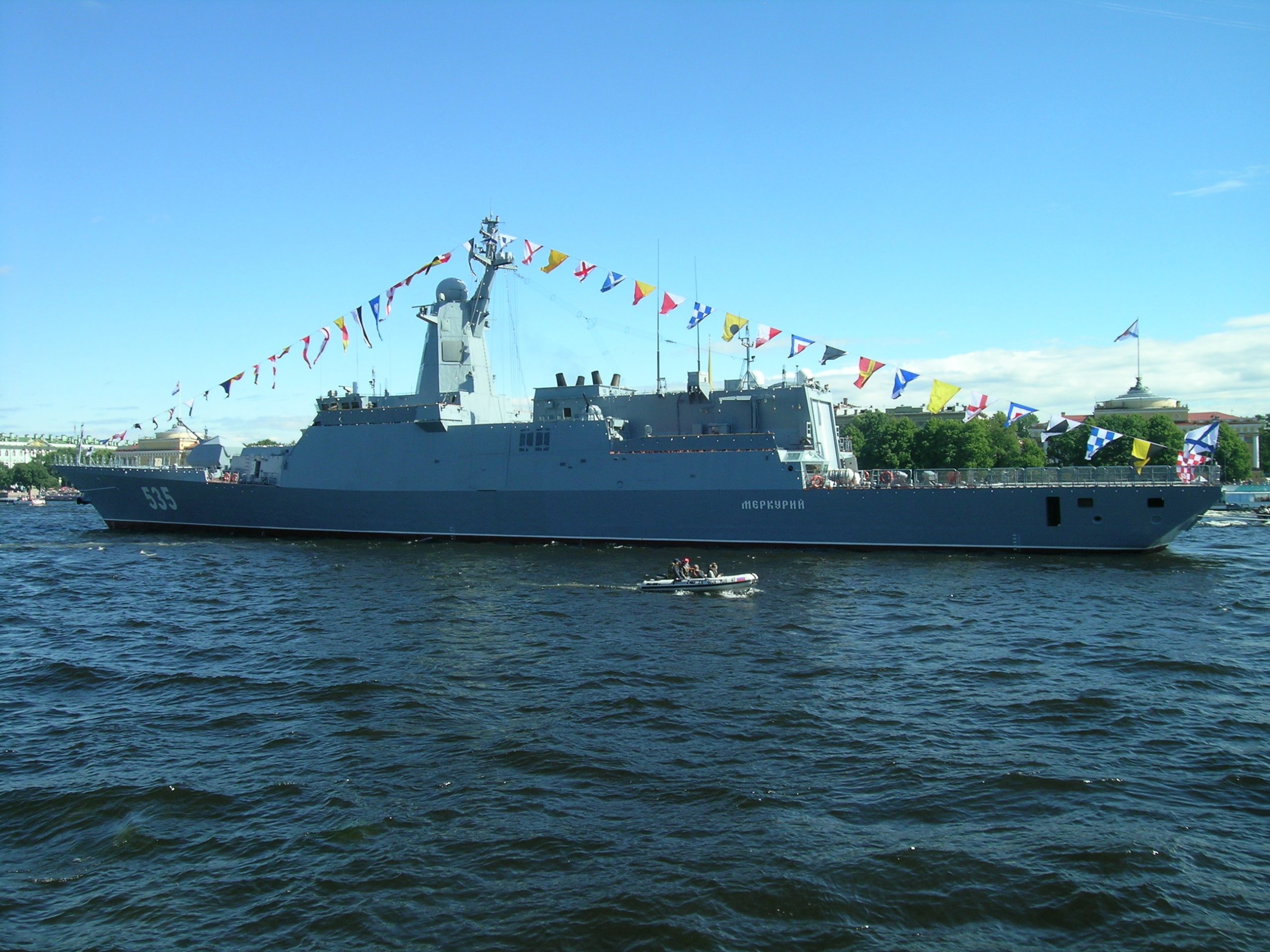
The following morning, on Sunday (22 November), Russia’s modern corvette Merkury was targeted by naval drones while taking on fuel and supplies at the Benghazi naval base in eastern Libya. On Monday, Ukrainian President Volodymyr Zelenskyy claimed responsibility, saying seven naval drones were used to sink the warship Merkury. Kyiv also claimed to have destroyed the arms-carrying Russian cargo ship MV Angara and a Ka-27 military helicopter. However, local Libyan officials said the warship was severely damaged rather than completely sunk.
Competing Claims from Moscow and Kyiv
Moscow reacted sharply to the strikes on its naval and commercial vessels in the Baltic and Mediterranean seas. The Kremlin accused Ukraine of engaging in “terrorist activities” in the Baltic Sea and said Russia expects Baltic littoral states to use their influence to deter Kyiv from such operations.
Peskov added that Russia’s Defense Ministry is investigating the attacks in Libya and the Baltic Sea, calling them a “dangerous trend” and warning that Ukraine will pay a heavy price. Ukraine’s security service countered that the vessels were “legitimate military targets” because they directly supported Russia’s military capabilities.