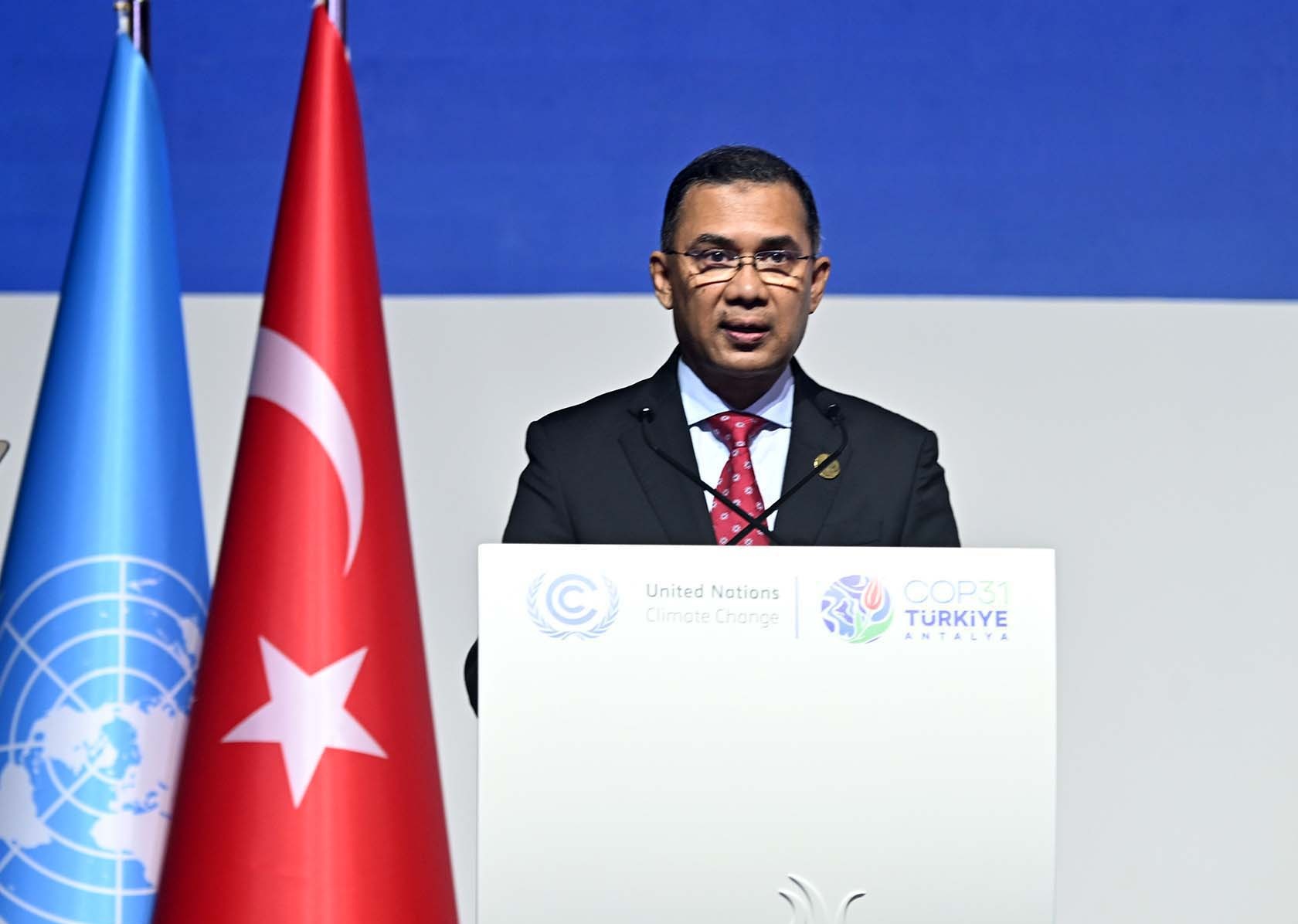
The 31st United Nations Climate Change Conference (COP31) has collapsed without a final agreement due to deadlocked positions among developed and oil-producing nations over climate finance and a clear commitment to phase out fossil fuels (coal, oil, and gas). Held in the Turkish coastal city of Antalya, the longest climate summit in history ended on Sunday (22 November) without consensus after running two days past its scheduled deadline in closed-door talks.
Although co-hosts Australia and Turkey presented a last-minute compromise draft package, the European Union (EU), Latin American countries, and the Alliance of Small Island States (AOSIS) rejected it outright. The breakdown leaves core Paris Agreement goals — limiting global warming to 1.5 degrees Celsius and releasing urgent climate funds for developing countries — in deep uncertainty.
The Core Deadlock and Behind-the-Scenes Politics
Negotiations centered on whether to include a clause in the final declaration on “transitioning away from fossil fuels.” Oil and gas exporters including Russia and Saudi Arabia strongly opposed any binding commitment or explicit mention of phasing out fossil fuels in the final text, arguing that energy security concerns prevent restrictions on fossil fuels.
By contrast, the European Union and nations facing existential climate threats made clear that signing an agreement without mentioning fossil fuels would mark a step backward from the historic COP28 outcome in Dubai.
Early Sunday morning, Australia and Turkey tabled a compromise draft that removed the disputed fossil-fuel language and retained only routine technical items. When the EU and island nations rejected it as “meaningless and unacceptable,” the summit formally broke down.
Sharp Reactions from World Leaders and Negotiators
Following the collapse, UN officials and world leaders voiced deep frustration and alarm:
- UN Secretary-General António Guterres: In an urgent statement, he said: “I am deeply disappointed that COP31 ended without an overall consensus. Global temperatures are breaking new records, extreme weather is intensifying, and carbon emissions remain at dangerous levels. Every delay makes future action harder and more costly.”
- European Union criticism: Speaking for the EU, Ireland’s climate minister Darragh O’Brien said: “Adopting a climate agreement with no mention of fossil fuels — the root cause of the climate crisis — is unconscionable. We cannot sign a weak deal that puts the planet in danger.”
- COP31 negotiating president Chris Bowen: Australia’s climate minister called the outcome “extremely disappointing,” though he added: “Even without a formal agreement here, the COP28 decision in Dubai to transition away from fossil fuels remains internationally valid. In the real world, the shift to renewable energy is advancing at an unstoppable pace, and no political deadlock can halt it.”
What This Means for Bangladesh and South Asia
The lack of a final agreement at COP31 hits climate-vulnerable developing countries such as Bangladesh hardest:
- Delays in climate finance: The Antalya summit was expected to deliver a concrete disbursement roadmap from developed nations for the Loss and Damage Fund and adaptation finance. With talks deadlocked, access to those funds risks slipping by at least another year.
- Heightened coastal risks: The global deadlock deals a major setback to Bangladesh’s efforts to secure the large-scale international support needed to cope with rising sea levels, salinity, cyclones, and flash floods.
- Reaction from experts and youth delegates: Bangladeshi climate specialists and youth delegates at the summit condemned the failure as “extreme selfishness” by wealthy and oil-producing nations, warning that world leaders had held billions of vulnerable lives hostage to geopolitical interests.
What Lies Ahead?
While no major pact was reached in Antalya, delegates adopted a handful of routine administrative and procedural decisions at the close to keep the UN climate process from stalling completely. Core unresolved issues — cutting fossil-fuel emissions and mobilizing new climate finance — now roll over to next year’s COP32 summit. Climate scientists warn that time is running short and that without national emission cuts over the coming year, the world faces severe climate disruption.