
Many people planning to have children want to know which foods can improve their chances of conceiving quickly. According to experts, changing one's diet alone does not guarantee faster conception, but a balanced diet, maintaining a healthy weight and eating nutrient-rich foods can help improve reproductive health.
A report published by US-based news outlet Today, citing nutritionists and reproductive health specialists, highlighted 14 foods that may support conception.
In the report, registered dietitian Abbey Sharp said maintaining a healthy, balanced diet and a normal weight is important for conception, adding that certain specific nutrients and eating habits can offer additional support.
Meanwhile, Dr Asima Ahmad, co-founder and chief medical officer of Carrot Fertility, said a Mediterranean-style diet can help boost fertility because such foods contain anti-inflammatory properties.
14 foods that may help support conception
1. Beans and legumes: A good source of plant-based protein and fibre. Choosing plant protein instead of animal protein may help reduce the risk of ovulatory infertility.
2. Lentils: Rich in plant-based protein, iron and fibre, which are beneficial for overall reproductive health.
3. Peas: Contain fibre and various vitamins, helping meet essential nutritional needs when included regularly in the diet.
4. Chickpeas: A source of plant-based protein, fibre and folate, which plays an important role in preparing for pregnancy.
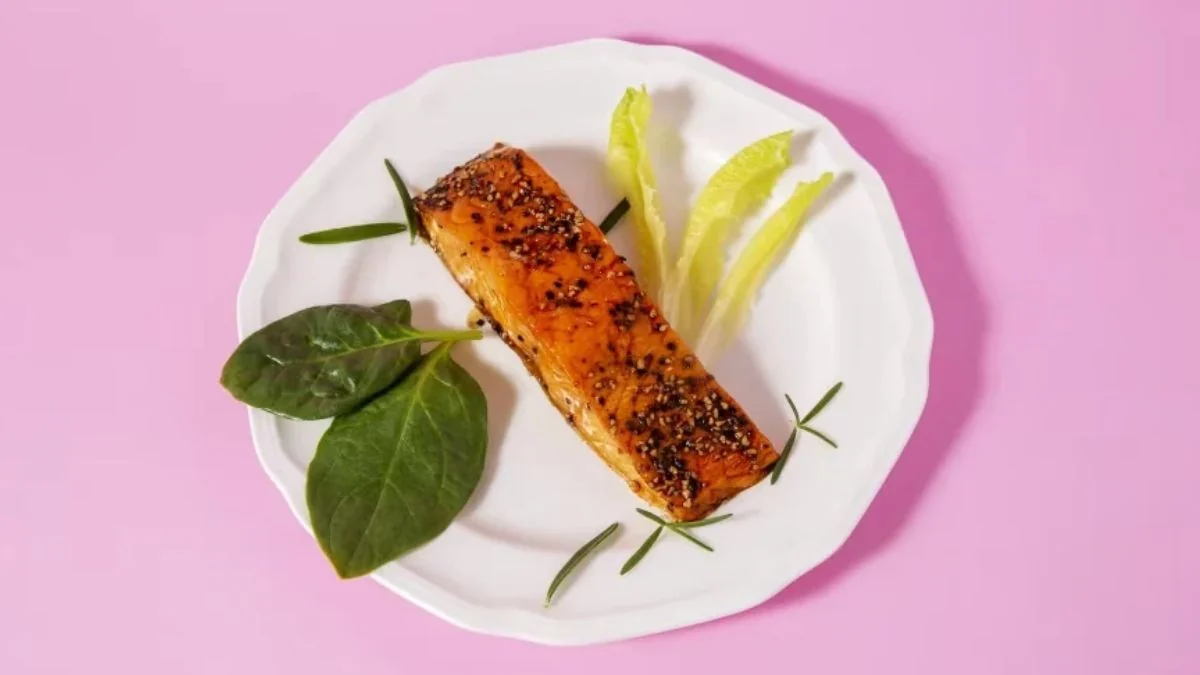
5. Salmon: High in omega-3 fatty acids, which can be beneficial for reproductive health.
6. Anchovies: These small saltwater fish contain omega-3 fatty acids and can be part of a healthy diet.
7. Sardines: Alongside omega-3 fatty acids, sardines contain vitamin D, nutrients that can play a role in reproductive health.
8. Tuna: Provides omega-3 fatty acids and protein, though mercury levels vary by species, making it important to choose lower-mercury varieties when planning a pregnancy.
9. Sunflower seeds: Rich in vitamin E, which acts as an antioxidant and helps protect cells from damage.
10. Flaxseeds: Contain omega-3 fatty acids and fibre, and regular moderate intake can help meet nutritional requirements.
11. Dark leafy greens: Spinach and other leafy greens contain folate, which is important for egg quality, foetal growth and placenta formation.
12. Yoghurt: Contains protein, calcium and beneficial nutrients; unsweetened yoghurt can be included in the daily diet.
13. Whole grains: Quinoa, brown rice and other whole grains contain fibre, which can help regulate blood sugar levels.
14. Olive oil: Contains healthy unsaturated fats and antioxidants; experts say olive oil may be linked to improved sperm quality.
Foods best limited
Experts advise limiting trans fats and foods with a very high glycaemic index when trying to conceive, as they can increase inflammation and the risk of insulin resistance, potentially disrupting hormone balance and ovarian function.
They also recommend cutting back on heavily fried foods, white bread, processed foods, excessive red meat and foods high in saturated fat.
Essential lifestyle habits
Beyond diet, regular exercise, adequate sleep and stress management are important for improving the chances of conception. Habits such as walking, yoga and meditation help maintain both physical and mental wellbeing.
Experts note that prolonged stress can raise cortisol levels, affecting ovulation and sexual desire.
In addition, anyone planning a pregnancy may take necessary vitamins and supplements on a doctor's advice. Folic acid intake is particularly important, though no supplement should be started without medical guidance.