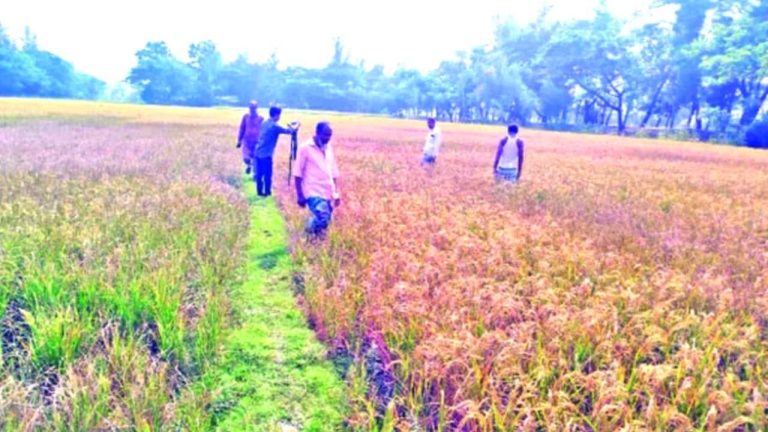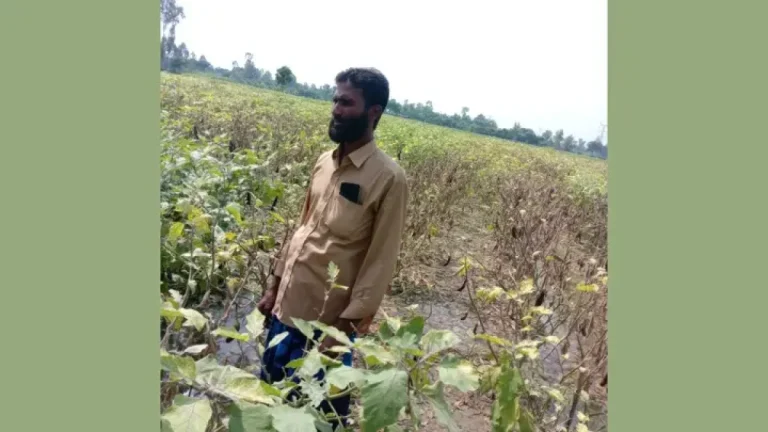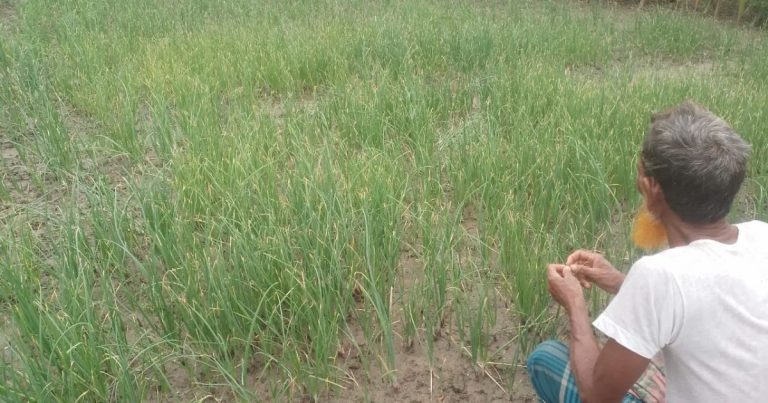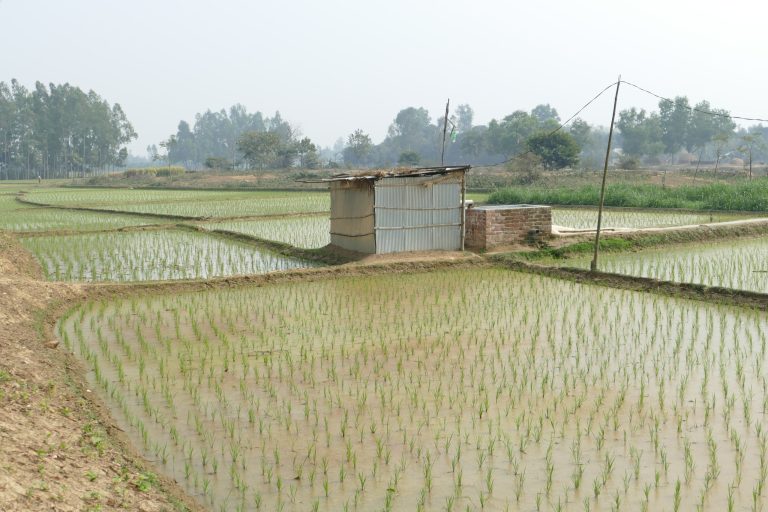
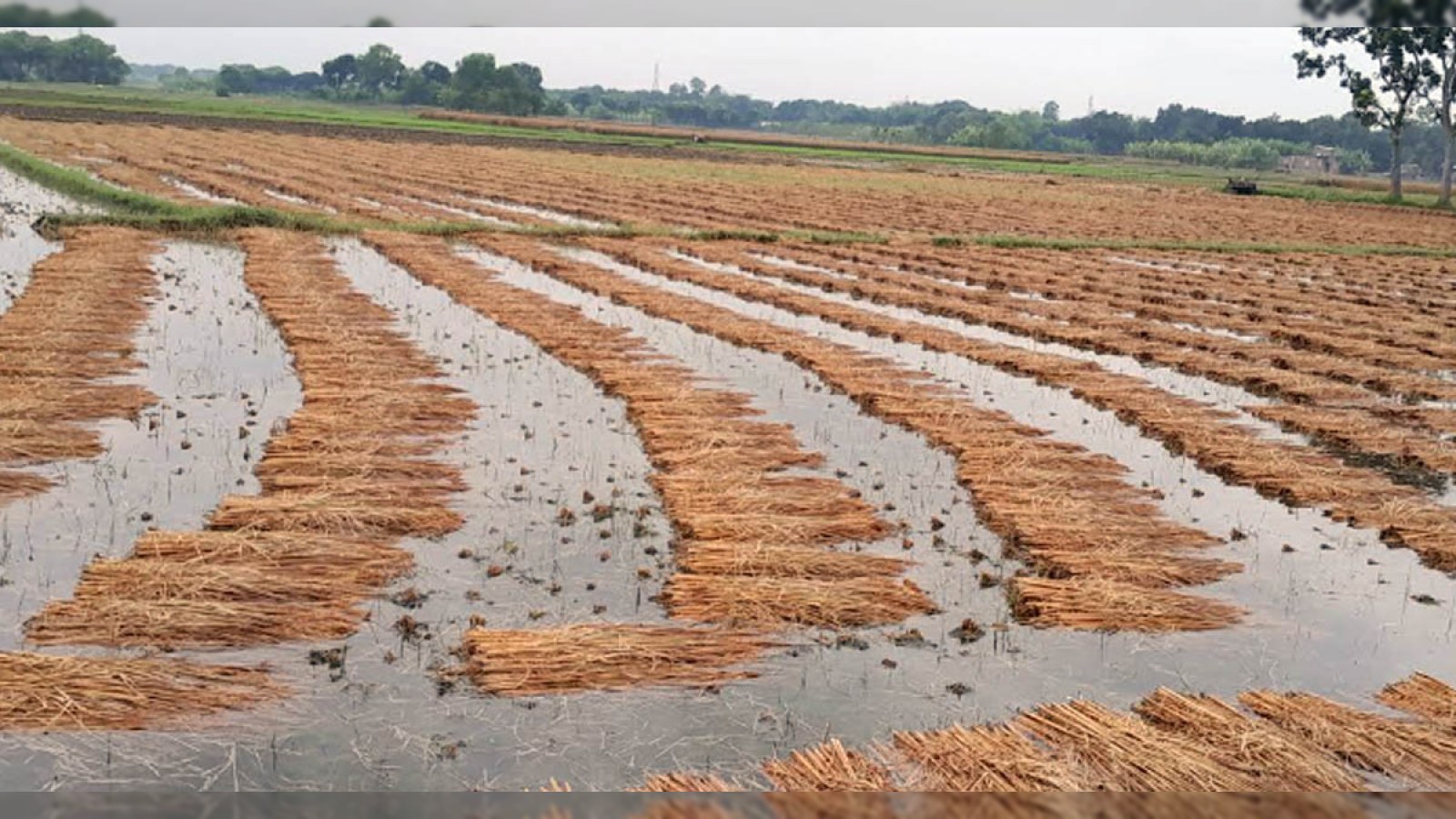
Recent rainfall in Magura has affected 198 hectares of farmland growing transplanted Aman paddy and other crops, including cut Aman paddy, mustard, lentils, onions, onion seedbeds and winter vegetables. However, the agriculture department said that while paddy straw may suffer minor damage, there is little risk of major losses to the main paddy crop once sunny weather returns, as water has already receded from most fields.
Local farmers, however, fear that excessive moisture may delay the Rabi season sowing because fields have not yet reached the right soil condition.
According to the district Department of Agricultural Extension (DAE), a total of 74,999 hectares were brought under cultivation this season for transplanted Aman paddy, winter vegetables, onions, onion seedbeds, lentils and mustard, of which 198 hectares were affected by the recent rain.
Crop-wise figures show that out of 62,474 hectares of transplanted Aman paddy in the district, 118 hectares were affected. In addition, 18 hectares out of 2,140 hectares of winter vegetables, 8 hectares out of 722 hectares of onions, 7 hectares out of 20 hectares of onion seedbeds, 15 hectares out of 2,195 hectares of lentils and 32 hectares out of 7,448 hectares of mustard were hit by the rain.
On Saturday (21 November), DAE Deputy Director Md Jasim Uddin said transplanted Aman paddy was cultivated on 62,474 hectares in the district with a production target of 237,402 metric tonnes.
Meanwhile, figures from the Magura Sadar upazila agriculture office showed that 70 hectares of harvested Aman paddy, 25 hectares of mustard, 10 hectares of lentils, 3 hectares of murikata onions, 3 hectares of onion seedbeds, 12 hectares of winter vegetables, 2 hectares of coriander, and 1 hectare each of peas and grass pea were affected in the upazila.
Magura Sadar Upazila Agriculture Officer Md Nur-e-Nabi said water has drained from most affected fields and major damage to paddy is unlikely if the rain stops and adequate sunshine returns, though farmers remain worried about drying and storing wet straw.
Field observations showed that although the district has 42 combine harvesters, many farmers are reluctant to use machines because they need intact straw for cattle fodder and fuel, preferring manual harvesting by labourers.
Sajib, a farmer in Sadar upazila, said soaked paddy and straw have increased their hardship as well as labour costs.
Another farmer, Idul, said they avoid harvesters to preserve straw, but warned of major losses if fields do not dry in time to begin Rabi crop cultivation.
Agriculture officials noted that although the affected area is small relative to total cultivated land, the timing is critical for the seasonal planting calendar. Regular monitoring and drainage arrangements are essential, especially for onion seedbeds, winter vegetables and lentils, and normal Rabi sowing can proceed if the rain stops and soil moisture levels stabilise quickly, they said.