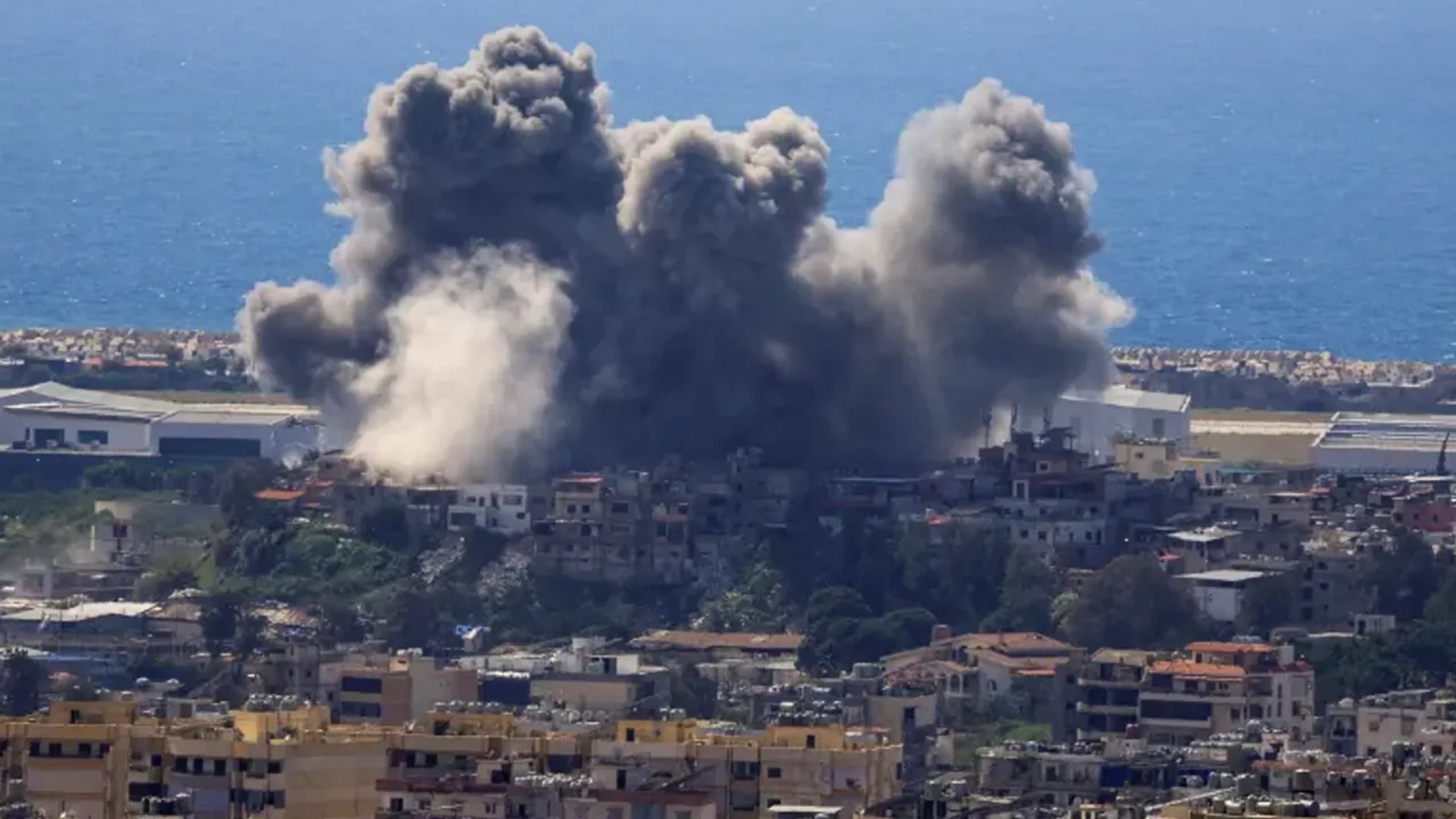
BEIRUT — Israeli forces struck multiple cities in southern Lebanon on Thursday despite a cease-fire, after airstrikes the previous day killed at least 254 people in one of the deadliest barrages in the conflict, officials said.
Israeli warplanes first hit the southern Lebanese town of Haruf on Thursday, April 9, then struck the nearby town of al-Duwair, also known as Kherbet el-Duwair. A third strike hit the southern town of Habboush, officials said.
The strikes came just hours after the United States and Iran announced a cease-fire. Israeli airstrikes across Lebanon on Wednesday killed at least 254 people in one of the most devastating waves of bombing in the conflict, Lebanese officials said.
The strikes hit densely populated commercial and residential areas, including parts of Beirut, without prior warning, officials said. Lebanon’s civil defense said more than 1,165 people were wounded, many of them critically, Al Jazeera reported.
Lebanese Health Minister Rakan Nasruddin called the situation a “dangerous provocation” and said Israel had carried out more than 100 airstrikes across the country. Black smoke covered the skies over Beirut, and the cries of panicked residents could be heard across the city, he said.
The Lebanese Red Cross said 100 ambulances were operating without pause to transport the wounded to hospitals. Prime Minister Nawaf Salam accused Israel of deliberately targeting innocent civilians in disregard of international law and humanitarian norms.
Israeli Defense Minister Israel Katz called the operation the “largest and most coordinated strike” against Hezbollah command centers and said it was the biggest blow to the group since Operation Beepers. Israel’s military said it was destroying Hezbollah infrastructure, although most of the targets were in the heart of densely populated areas.
বাংলায় মূল প্রতিবেদন পড়ুন · Read the original Bengali report