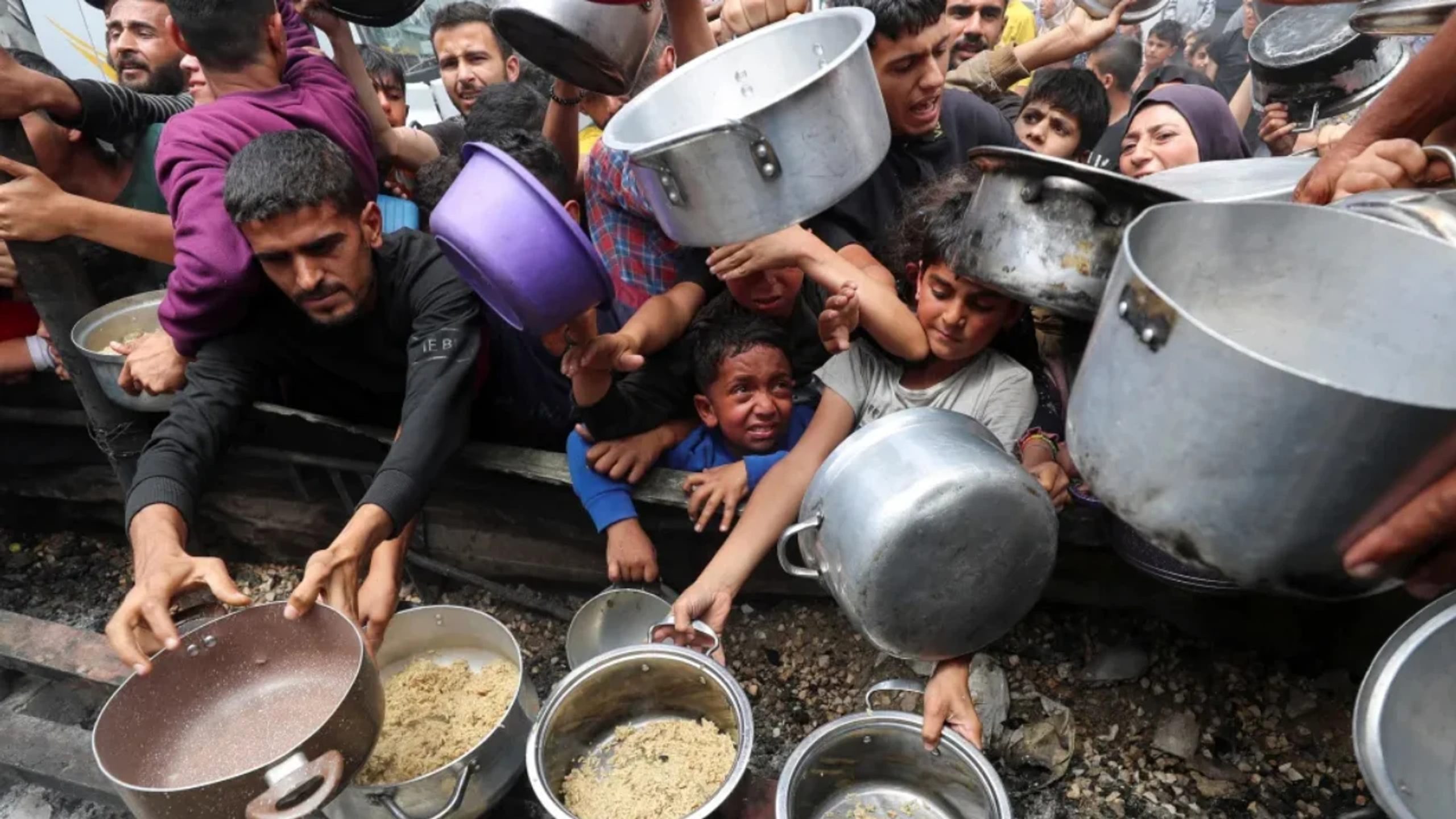
Millions of people are at risk of acute hunger from the effects of the war in Iran, the World Food Programme’s acting executive director Carl Skau told CNN. With the Strait of Hormuz closed, fuel prices have multiplied, making the UN agency’s operations far more expensive. Rising fuel prices have pushed up food prices worldwide, and instability on the vital waterway is disrupting supplies of badly needed fertiliser from the Gulf to places like Sudan for planting.
The WFP depends on donations from governments, and funding has fallen sharply across the board — including from its top donor, the United States. As of Monday, US contributions for 2026 stood at about 731 million dollars, against more than 4 billion dollars in 2024. “When food prices rise 20-30 percent in the world’s poorest countries, people eat 20-30 percent less,” Skau said.
In March, the WFP warned that if oil stayed above 100 dollars a barrel, another 45 million people would face acute hunger by July. Even if the Strait of Hormuz were reopened tomorrow, Skau said, the effects would last a long time.
বাংলায় মূল প্রতিবেদন পড়ুন · Read the original Bengali report