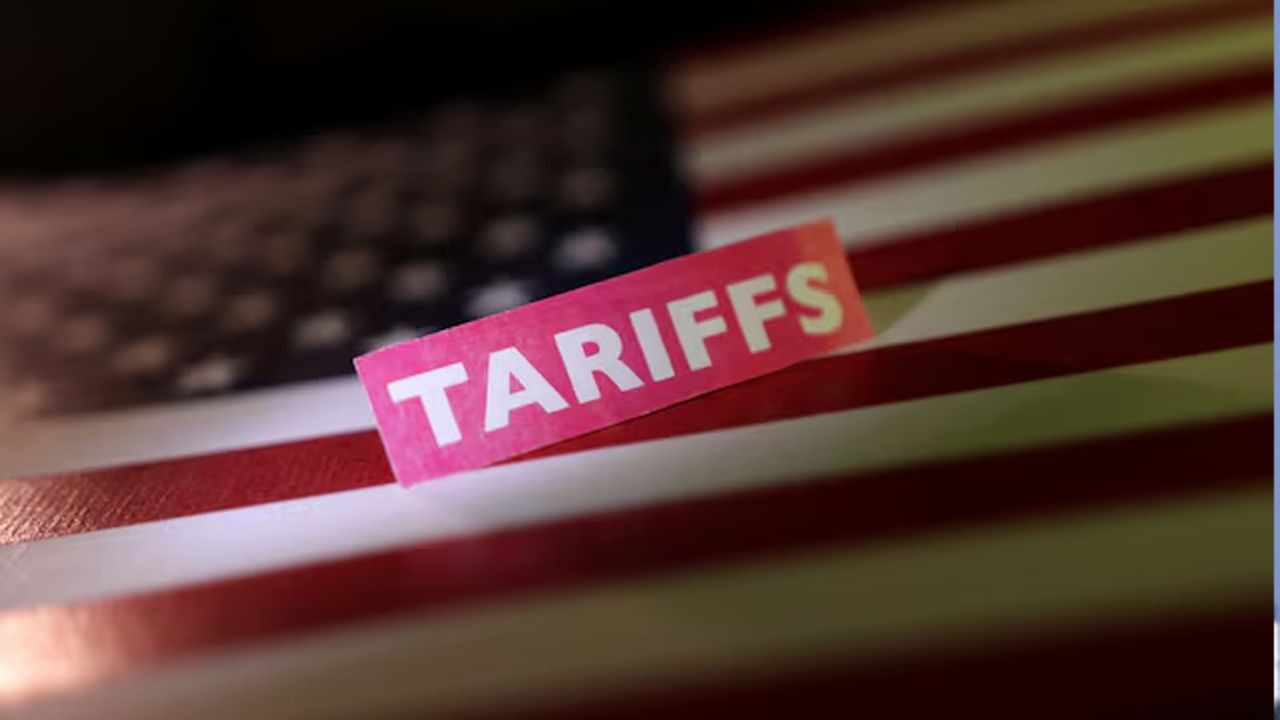
The administration of US President Donald Trump is preparing to impose fresh tariffs on the products of 16 of the world's major trading partners, including Bangladesh. New import duties may be imposed on these countries over allegations of excess capacity in the industrial sector. The new tariffs will be added to the previously imposed tariffs. As a result, there are fears that the entry of Bangladeshi products into the US market will become more expensive.
The international news agency Reuters reported on Wednesday, November 25, that the information was published on Tuesday, citing three people familiar with the matter. According to them, the findings of the investigation could be published as early as Tuesday afternoon. The Office of the US Trade Representative will propose the new tariffs. Trump's tariffs imposed earlier in his second term will also be added to them. In February, the US Supreme Court struck down several of the Trump administration's tariffs. There is a plan to replace part of those with the new duties.
The earlier tariffs raised the prices of consumer goods in the United States. A Reuters and Ipsos opinion poll after the November midterm elections found that 62 percent of respondents would support an initiative to withdraw the tariffs.
The rate of the new tariffs is not yet clear. However, a person concerned said the tariff rate will differ from country to country. New tariffs are unlikely to be imposed immediately on the products of Mexico and Norway.
Under Section 301 of the Trade Act of 1974, the Office of the US Trade Representative is investigating allegations of excess industrial production capacity against most of the country's major trading partners. In setting the new tariffs, the maximum tariff rates fixed in the trade agreements finalised with different countries will be maintained. This ceiling is 15 percent for products of the European Union, Japan and South Korea, and 19 percent for Malaysian products. For Chinese products, the 20 percent ceiling of Trump's second-term tariffs is also to remain. However, it will remain effective only if the US-China trade truce, set to end on January 10, is extended. If the truce ends, the tariff rate for China's excess production capacity may increase further.
The 16 trading partners under investigation are Bangladesh, China, India, Japan, South Korea, Mexico, Vietnam, Taiwan, Thailand, Malaysia, Indonesia, Switzerland, Norway, Singapore, Cambodia and the European Union.
Former US trade official Ryan Majerus believes a long report may be published with the investigation's findings. It may contain separate tariff proposals for the 16 partners. In his view, tariffs of 15 to 25 percent may be proposed on products of various sectors of the countries considered to have excess production capacity. Added to these will be the 10 or 12.5 percent tariffs imposed under a separate investigation over allegations of not properly enforcing anti-forced-labour laws. However, comparatively lower tariffs may also be proposed, giving the countries time to take steps to reduce excess production capacity. In that case, there may be a condition that the tariffs will be increased in phases if production is not reduced within a specified time.
The Office of the US Trade Representative began the investigation into excess production capacity last March. At the same time, a separate investigation also began against 59 countries and the European Union over allegations of weak enforcement of anti-forced-labour laws. The goal of these initiatives is to rebuild Trump's 'Liberation Day' tariff system, struck down by the Supreme Court in February.