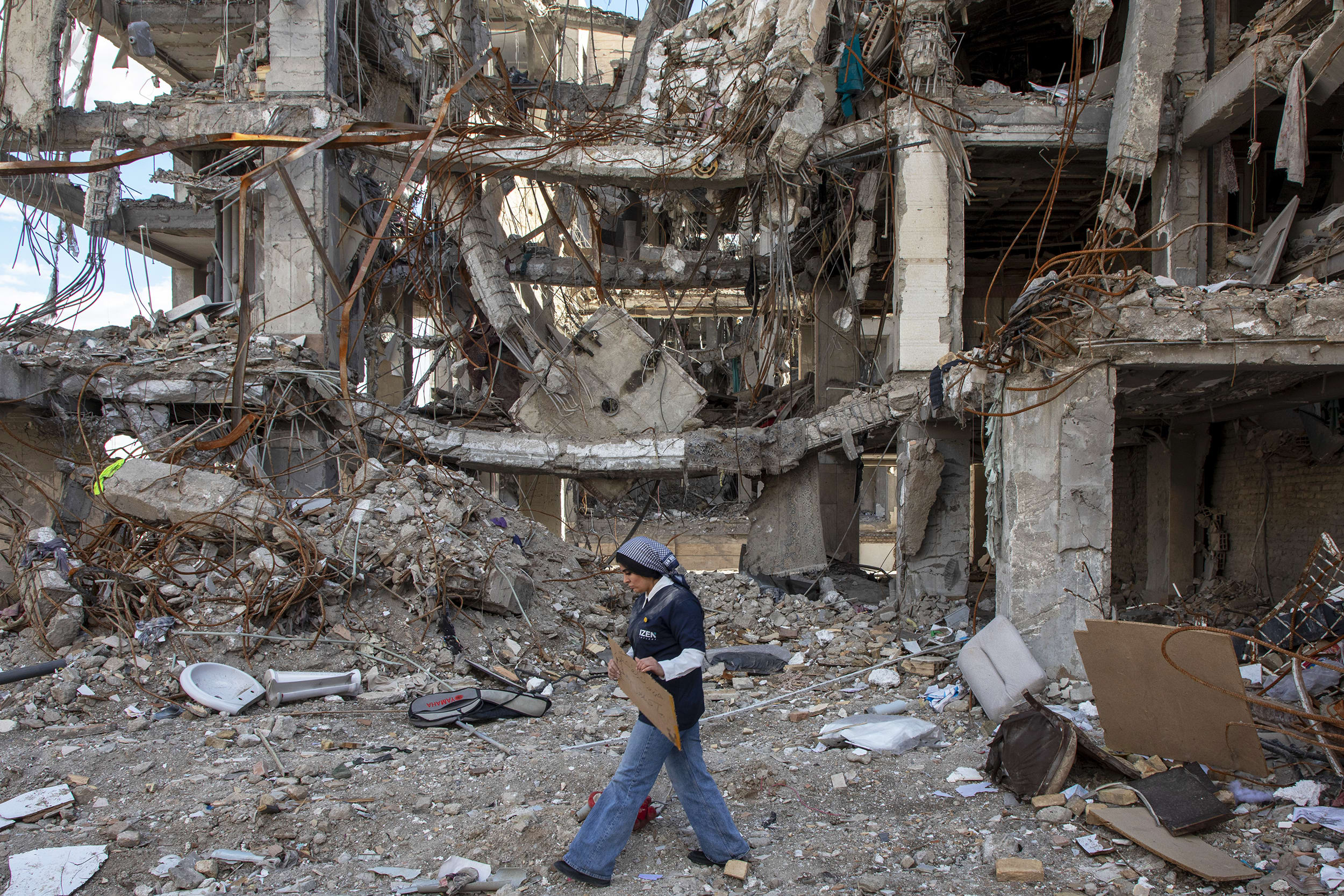
The economic fallout from the Iran war could push more than 32 million people worldwide into extreme poverty, with developing countries at greatest risk, the United Nations said.
As uncertainty persists over a fragile ceasefire, the UN Development Programme (UNDP) released a report warning that the world is now facing a triple shock of energy, food and slowing economic growth.
The poverty-alleviation agency said conflict was reversing gains made in international development, with effects felt unevenly across regions. Alexander De Croo, the former Belgian prime minister who heads the agency, said the damaging impact had already begun even though fighting had paused under the ceasefire.
The UNDP released the report as world leaders gathered in Washington for the IMF spring meetings. The agency said a coordinated global response was needed to manage the economic shock and assist the worst-hit countries.
The agency analyzed three possible war scenarios. In the worst case — a six-week major disruption to oil and gas production followed by eight months of sustained high prices — about 32.5 million people worldwide would fall into poverty.
The report used the World Bank’s upper-middle-income poverty line, which counts those earning less than $8.30 a day. Half of the global increase in poverty would occur in 37 energy-importing countries, with the Persian Gulf region, Africa, Asia and small island states most affected.
বাংলায় মূল প্রতিবেদন পড়ুন · Read the original Bengali report