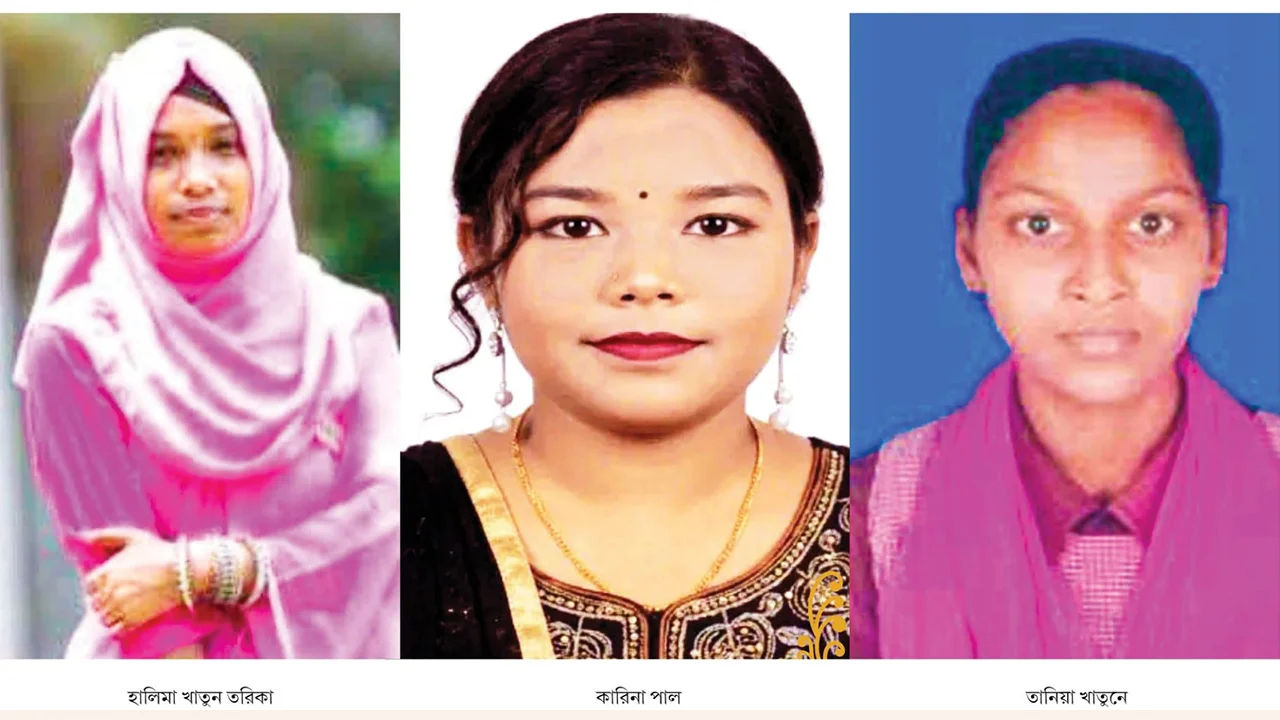
Several students across Bangladesh have died in the days following the release of SSC and equivalent examination results, a devastating reminder that the country’s education system and social fabric continue to fail young people at their most vulnerable.
While celebrations erupted in hundreds of thousands of homes, a small number of students who did not pass their exams took their own lives. Reports from Chapainawabganj, Rajshahi, Kushtia, and several other locations confirmed deaths linked to exam results.
These tragedies raise a painful question: Is an examination result more important than a life? The answer is unequivocally no. Education exists to build a meaningful life, not to end one. Failing once is not a final verdict — it is a call for perseverance, not despair.
Bangladesh’s social and educational systems treat the SSC examination not merely as an academic assessment but as the ultimate measure of a young person’s worth, family honor, and social standing. From the morning results are announced, young people are bombarded with comparisons — “Did you get GPA-5?” and “So-and-so’s child scored higher, why didn’t you?” — a competitive frenzy that the tender, sensitive minds of adolescents cannot withstand. Temporary academic setbacks come to feel like permanent, irreversible failures. Crushed by the invisible weight of family and social expectations, some young people lose their fundamental will to live. Yet good character and humanity matter far more than a transcript.
Failing a public examination is not the end of the road. Bangladesh’s education system provides multiple legitimate pathways forward — improvement examinations, re-evaluation, and the option to retake. History is filled with individuals who stumbled at a particular stage of formal education but went on to distinguish themselves through talent and hard work. But turning a setback around requires, above all, being alive to do so.
A poor exam result is not a crime. It is, in fact, one of the most critical moments in a young person’s life. At such times, families must be a refuge, not a source of shame. Before asking “How much did you score?”, parents should say: “We are with you. Don’t be discouraged by what happened — prepare yourself to do better next time.”
When a young person expresses extreme hopelessness or signals an intention to harm themselves, it must never be taken lightly. They should not be left alone for a moment. Families must work to build trust and, when necessary, seek the help of professional mental health specialists. Schools, too, have a social responsibility. Rather than celebrating only those who passed, institutions should provide counseling and guidance to those who did not achieve their desired results.
These deaths are not merely private tragedies for individual families — they are a searing indictment of an entire society. We must teach our children not just how to win, but how to dust themselves off and stand up again after falling. An examination result can be improved. A lost year can be recovered. But a young life, once lost, can never be brought back.
If you or someone you know is in crisis, contact Kaan Pete Roi at +880 9612-119911 or the national emergency helpline at 999.
বাংলায় মূল প্রতিবেদন পড়ুন · Read the original Bengali report