About 10,000 people were killed during Myanmar’s 2017 military offensive against the Rohingya in Rakhine State, and the United Nations’ highest court has now held Myanmar responsible for committing genocide against the ethnic minority.
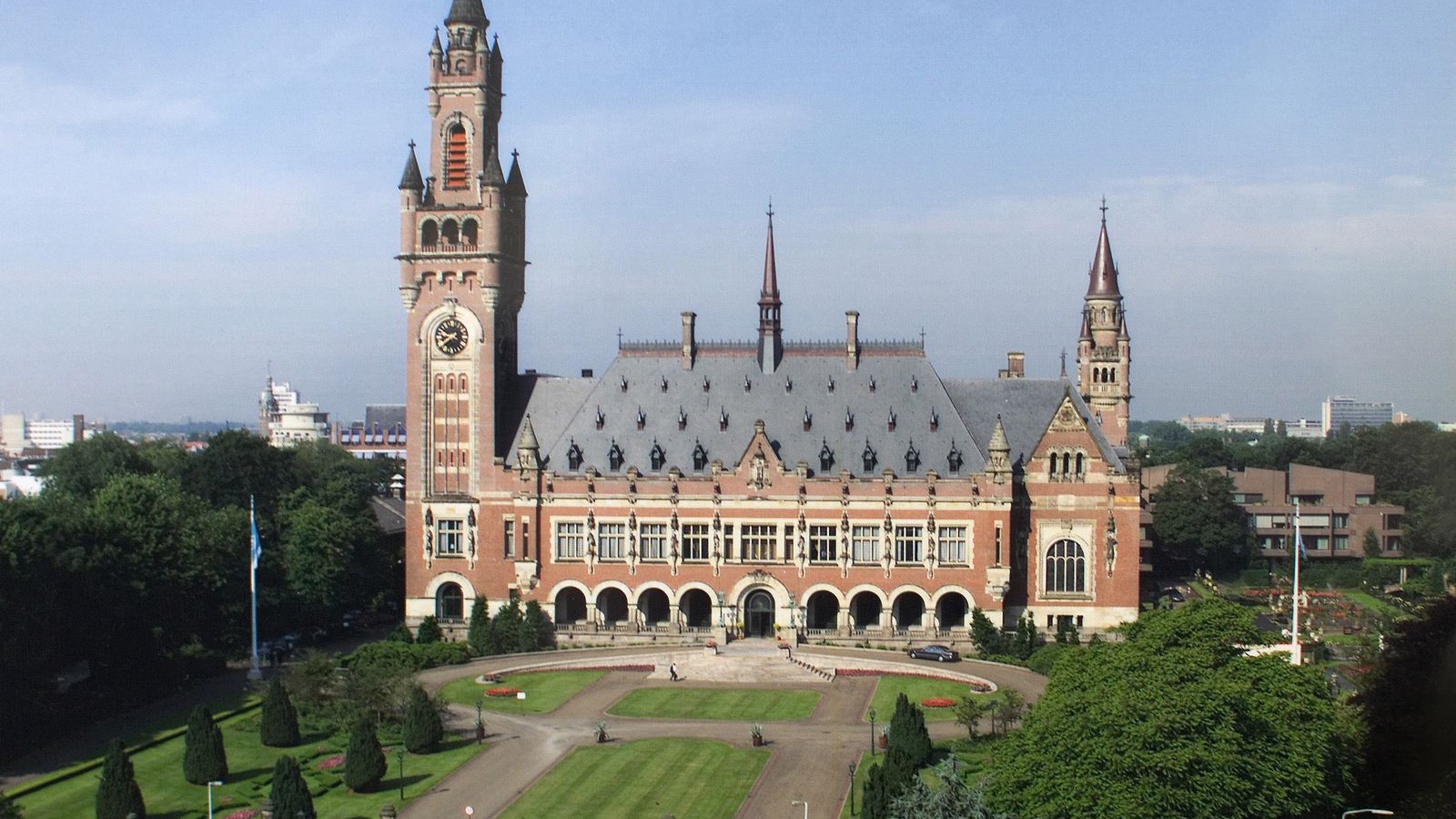
According to Al Jazeera, the International Court of Justice (ICJ) in The Hague, Netherlands, delivered the landmark ruling on Thursday, 19 November. The court found that Myanmar violated its international obligations under the 1948 Genocide Convention.
ICJ President Yuji Iwasawa announced that in a 9-6 decision, the court determined Myanmar committed genocide against the Rohingya population in northern Rakhine State. Al Jazeera reported that it is the first time in the ICJ’s history that a state has been formally declared responsible for genocide.
10,000 Rohingya killed in 2017 military offensive
Myanmar’s military launched its sweeping offensive in Rakhine State in August 2017 following attacks by the armed group Arakan Rohingya Salvation Army (ARSA).
Myanmar’s government claimed the operation was a response to attacks on security forces, but the campaign brought mass killings, widespread sexual violence and abuses against Rohingya civilians.
Reading the judgment, Iwasawa said the evidence showed Myanmar’s security forces killed about 10,000 Rohingya, alongside mass killings of civilians, widespread sexual violence, severe abuse of children and attacks on Rohingya fleeing toward Bangladesh.
The court added that the scale of atrocities by Myanmar’s security forces left no reasonable inference other than an intent to destroy a substantial part of the Rohingya population.
Historic ruling in case brought by The Gambia
The West African nation of The Gambia filed the case against Myanmar at the ICJ in 2019 over the persecution and genocide of the Rohingya.
The Gambia alleged that Myanmar’s government conducted operations aimed at destroying the Rohingya in whole or in part, asking the court to hold Myanmar accountable for breaching the 1948 Genocide Convention.
The Gambia also petitioned the court to order Myanmar to halt all unlawful acts against the Rohingya and prosecute those responsible for genocide.
Following years of legal proceedings, the court delivered its judgment on Thursday. Al Jazeera noted that since the Nazi Holocaust during the Second World War, it is only the fourth time an international court has ruled that the crime of genocide was committed.
Evidence of four genocidal acts
Al Jazeera’s correspondent in The Hague, Step Vaessen, reported that the court found evidence of at least four categories of genocidal acts:
- Mass killing of Rohingya civilians.
- Forcible displacement of hundreds of thousands of people.
- Inflicting serious bodily and mental harm on members of the Rohingya group.
- Imposing birth-control measures intended to prevent births within the Rohingya population.
According to the correspondent, the judge noted in his observations that even before 2017, the Rohingya were treated as second-class citizens in Myanmar and subjected to systematic discrimination and restrictions.
International human rights lawyer Toby Cadman told Al Jazeera that proving specific intent to destroy a group in whole or in part is the hardest threshold in a genocide case, making the ICJ’s ruling especially significant.
Reparations and protection ordered for Rohingya
The ruling states that Myanmar has an obligation to provide reparations and rehabilitative measures for the harm caused by its unlawful acts.
The court’s directives include creating conditions for the safe and voluntary return of Rohingya to their homeland, restoring or rebuilding damaged communal property, searching for the missing and ensuring proper burials.
The judgment also calls for rehabilitating survivors who suffered physical and psychological trauma and protecting the Rohingya from future persecution.
However, Cadman cautioned that delivering the verdict alone will not resolve the crisis, saying enforcement will depend on the UN Security Council, potential sanctions and other concrete measures.
Amnesty International welcomes verdict
Amnesty International welcomed the ruling, saying in a statement that it hoped the judgment would mark the start of accountability for longstanding human rights violations in Myanmar.
The organization added that all crimes under international law must be effectively investigated and those suspected of responsibility brought to justice.
What lies ahead for 1.2 million Rohingya in Bangladesh?
According to UN figures, more than 1.3 million Rohingya are currently displaced across South and Southeast Asia, including about 1.2 million living in Bangladesh, mainly in sprawling refugee camps in Cox’s Bazar.
More than 730,000 Rohingya were forced to flee Myanmar and seek refuge in neighboring Bangladesh during the 2017 military crackdown.
Al Jazeera reported that ongoing conflict, shrinking humanitarian aid and perilous sea journeys continue to leave Rohingya lives in deep uncertainty.
While the ICJ’s judgment represents a major step forward in the Rohingya’s long pursuit of justice, securing safe repatriation, citizenship rights and lasting safety remains a formidable challenge.
বাংলায় মূল প্রতিবেদন পড়ুন · Read the original Bengali report