
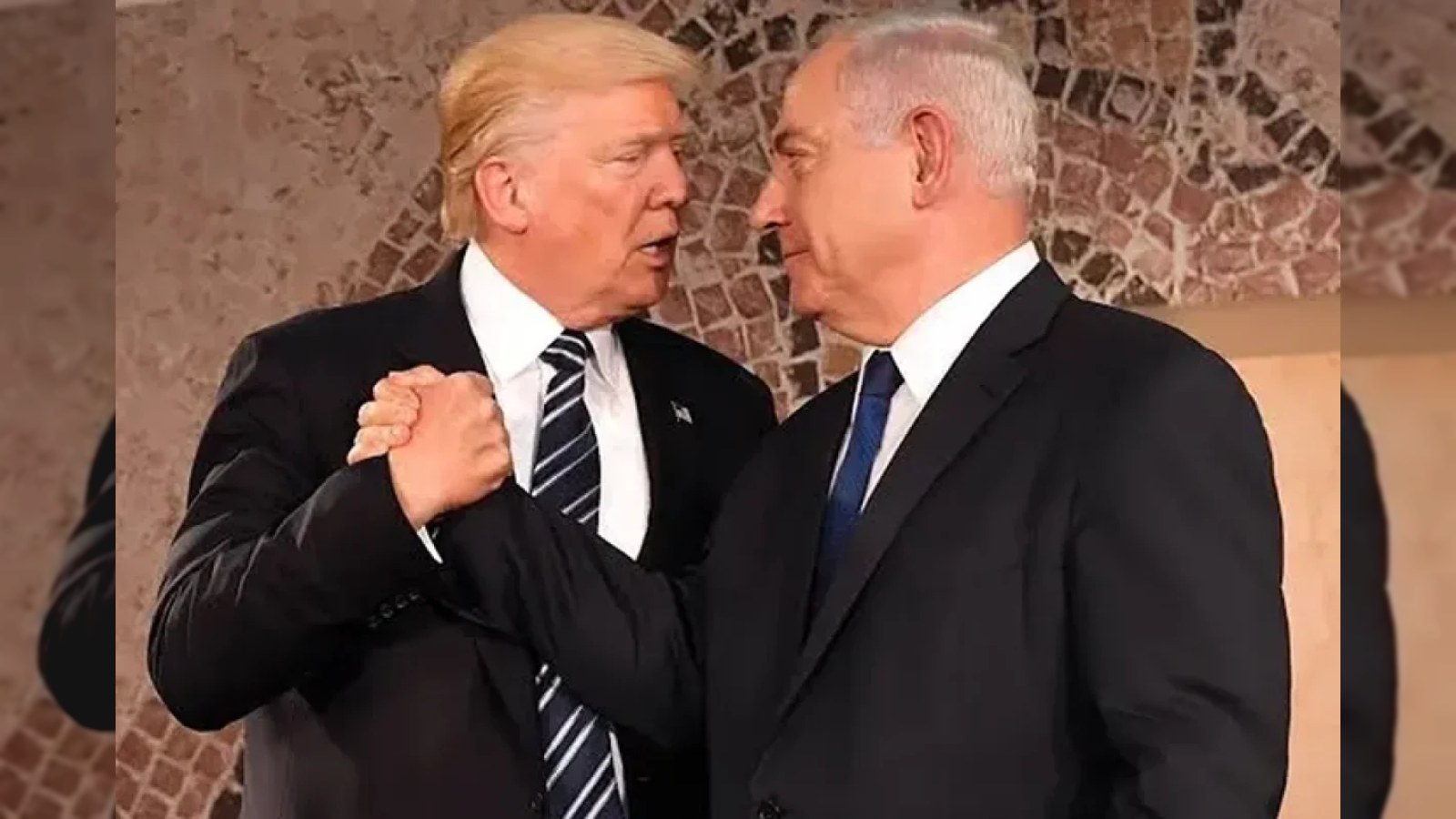
Israeli caretaker Prime Minister Benjamin Netanyahu considers a new military operation against Iran inevitable and has conveyed this to senior ministers and security officials, as he seeks US backing for a multi-day campaign against Tehran.
The Times of Israel, citing Israeli broadcaster Channel 13, reported that Netanyahu has spoken in recent meetings of the need for renewed military action in Iran.
A senior Israel Defense Forces (IDF) official, speaking on condition of anonymity, said Israeli and US Central Command officials have agreed on and approved potential strike plans, leaving only the timing of the operation to be decided.
The war against Iran began on February 28 with joint US and Israeli strikes, raising fears of a wider escalation.
Political rivals have accused Netanyahu of seeking to expand the conflict to shore up his weakened political standing, an allegation he denies.
While Netanyahu is pressing for US support for a new operation, US President Donald Trump has struck a different tone, signalling he is in no hurry to launch fresh strikes against Iran.
In an interview with Axios, Trump said he is not rushing into any decision on Iran and will see how the situation develops at the start of the year before deciding on next steps.
In a separate interview with Reuters, Trump also said he would discuss the possibility of new strikes on Iran in early 2027, adding: "We have time."
Meanwhile, reports have emerged that Netanyahu is planning four to seven days of US-backed airstrikes against Iran.
The New York Times reported this week that Trump is considering another major round of strikes on Iran while reviewing Israeli intelligence assessments suggesting Tehran has rebuilt parts of its missile and drone capabilities and may be advancing chemical and biological weapons programmes.
Pentagon ordered to review strike plans
Potential new strikes on Iran have also reached the military planning stage. Axios reported that Trump has directed the Pentagon and US intelligence agencies to review strike plans drawn up by US Central Command.
In particular, they have been asked to assess whether Iran can be struck without triggering major retaliatory attacks on Gulf energy infrastructure.
Trump's stance on Iran has shifted several times in recent months, alternating between threats to widen military action and hints at ending the conflict, Reuters reported.
Meanwhile, the Trump administration maintains that it is pressuring Tehran through economic sanctions and blockades, with Trump repeatedly citing preventing Iran from acquiring nuclear weapons as a primary goal of his policy.
Domestic political tensions in the United States over the Iran war are also rising. On Thursday, the US Senate voted 51-48 to reject a resolution that would have required Trump to obtain congressional approval before either ending or continuing the conflict.
Although Washington has yet to reach a final decision on new strikes, Israel's military preparations and the US review of strike options are heightening fears of renewed conflict in the Middle East.