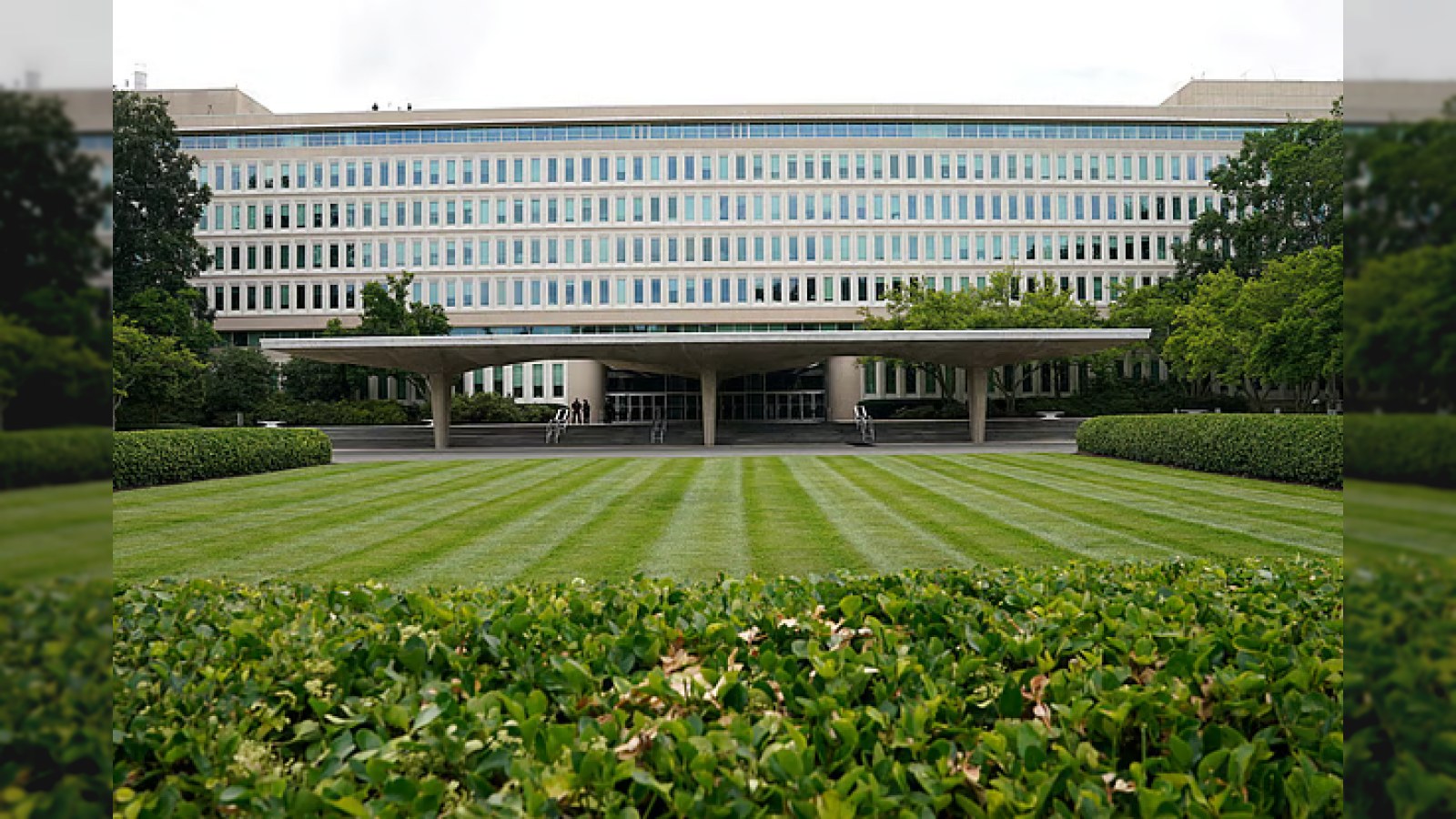
A cyberattack has hit the US Central Intelligence Agency (CIA) and the Office of the Director of National Intelligence (ODNI). Four sources familiar with the matter told CNN that information of the two agencies that is not highly classified was damaged in the attack.
According to one source, the intruders mainly struck the computer systems the two agencies use for intelligence analysis drawing on information collected from open sources. The full picture of the information compromised is still not clear. Officials, however, stressed that no highly classified information was harmed in the incident.
An ODNI official told CNN: "There has been no disruption to our critical capabilities or highly classified systems." The CIA declined to comment.
Two sources said early indications suggest the cyberattack may have originated in China. Whether the country's government was directly involved could not, however, be confirmed immediately. Exactly when the attack took place, or whether the problem has been resolved, was also not immediately clear.
The Office of the Director of National Intelligence oversees the work of 17 US intelligence agencies, including the CIA. In recent years the agency has invested heavily in collecting intelligence from open sources. Most such information is generally outside the highly classified category. The New York Times first reported the cyberattack.
The news is the latest addition to a series of cybersecurity breaches and technical failures that have shaken the US public and private sectors in recent times. According to two sources, the CIA and ODNI incident appears to have no connection to the recent cyberattack on the Federal Bureau of Investigation's (FBI) criminal information database. CNN first reported that FBI attack last Friday.
Alongside the string of cyberattacks, the United States has recently faced several major technical failures unrelated to hacking. Banks, the National Security Agency (NSA) and the Federal Aviation Administration's (FAA) air traffic control system were paralyzed in those failures. The incidents have dealt a major blow to Americans' trust in the technology that underpins daily life.
Early this month, a major technical glitch halted all air travel across the country for several hours, forcing thousands of flights to be delayed or cancelled. The FAA later investigated and found that a fault in a single router in Arkansas caused the disruption. Flights later resumed, with a Southwest Airlines plane among those taking off from Ronald Reagan Washington National Airport in Arlington, Virginia, after the nationwide stop was lifted. In a separate incident, Microsoft services suffered an outage that left countless people around the world unable to access their Outlook email accounts and Teams meetings, everyday essentials of working life.
Three incidents have kept US national security officials most on alert: the service failure at the intelligence agency NSA and the cyber intrusions at the FBI and CIA. CNN first reported that the highly classified network the NSA uses for internal communications was down for several days last week. Jay Clayton, the US director of national intelligence, said the failure was caused not by a cyberattack but by a fault in a software update.
According to the CNN report, an important NSA facility in Georgia was also hit by the failure. The facility supports Middle East-focused intelligence and cybersecurity operations. The United States is currently engaged in a war with Iran in the Middle East. The NSA's most sensitive and important intelligence collection systems were, however, unharmed in the outage, and the problem was resolved by Friday.
The software weaknesses the NSA had been trying to overcome are only a small fraction of the countless new flaws identified through artificial intelligence (AI). Cybersecurity experts say that, thanks to AI, government agencies and private companies are finding one new software flaw after another in their own systems. In the rush to fix them quickly, technical mistakes sometimes happen.