It was the 88th minute of the Spain-Belgium match, the score 1-1, with two minutes of normal time left and then stoppage time before the prospect of extra time. Fans of both sides were swinging on every heartbeat. Then came a long-range shot from Pau Cubarsi; substitute goalkeeper Lammens got a hand to it but could not hold on, and the alert Mikel Merino pounced on the rebound to find the net at speed. That goal ended Belgium’s World Cup dream.
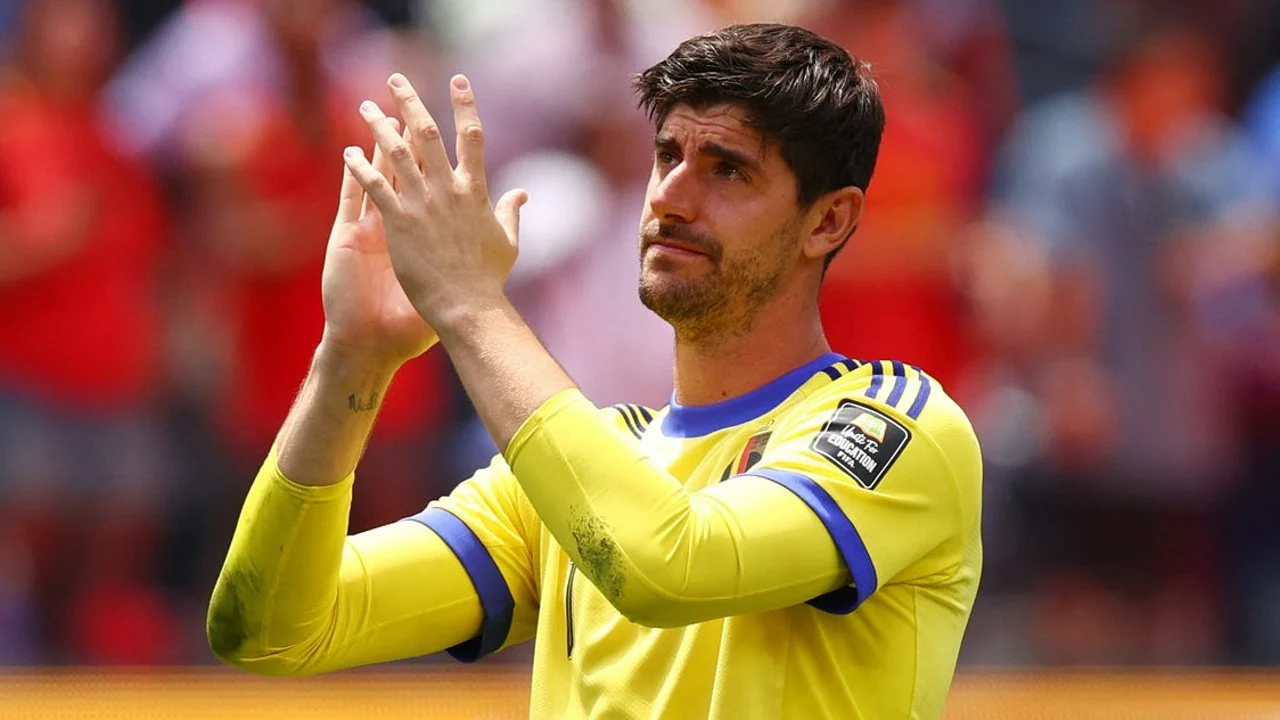
As Yamal, Merino and the rest celebrated, the camera turned to the dugout, where Thibaut Courtois, for so long the guardian of Belgium’s goal, sat in silence, disappointment on his face and disbelief in his eyes.
Belgium had matched Spain evenly in the World Cup quarterfinal, and Courtois had kept them in it with one important save after another. But in the second half, going to take a long goal kick, he felt a sharp pain in his left quadriceps. He received treatment and played on, believing he could keep standing in goal even if taking long kicks had become difficult.
The decision coach Rudi Garcia then took backfired. Unwilling to take the risk of keeping a goalkeeper who was not fully fit, he took off the 34-year-old Courtois and sent on the young Senne Lammens. Courtois’s eyes welled up on the bench, not yet knowing that greater pain lay ahead.
Even so, Courtois showed another fine side of his character after the match. When the final whistle blew, he went first to Lammens, embracing and consoling the distraught young goalkeeper, because he knows how heavy the burden of a goalkeeper’s mistake can be. Speaking to the media afterward, Courtois said: “I was feeling severe pain in my quadriceps. But I could have kept standing in goal; it was only taking long kicks that was becoming difficult. The coach decided to substitute me. I have no objection to that. The team’s interest comes first.”
What he said next deepened the sighs in the hearts of Belgium’s fans: “Maybe this was my last match for Belgium.” He then said he wanted to take a year off from the national team, his wish being to skip the Nations League and return before the Euro qualifiers, though whether the Belgian football federation accepts that is their decision. If they do not agree, the match against Spain may remain his last international.
Those words felt like a hint at the end of an era. Even before the World Cup, Courtois had suggested this was probably his last major international tournament; with injuries mounting in recent years and the busy club and national schedule, he had been thinking about the future, and had even said before the tournament that he was more likely than not to leave the national team afterward.
By the numbers, Courtois’s career has been outstanding: 115 international matches since his 2011 debut, a third-place finish for Belgium at the 2018 World Cup and the Golden Glove at that tournament. But he has never touched a World Cup or European Championship trophy, and yet remains one of football’s finest goalkeepers.
Football is strange: a goalkeeper can make 10 unbelievable saves in a match, and people remember the one goal at the end. Courtois’s story is like that, and yet different, the story of a player who wanted to stay on the field even with an injury, watched a dream break from the bench, and after the match consoled the very teammate whose error brought sorrow across Belgium. Not every legend holds a trophy; some become history with a pair of gloves, as Courtois has.
বাংলায় মূল প্রতিবেদন পড়ুন · Read the original Bengali report