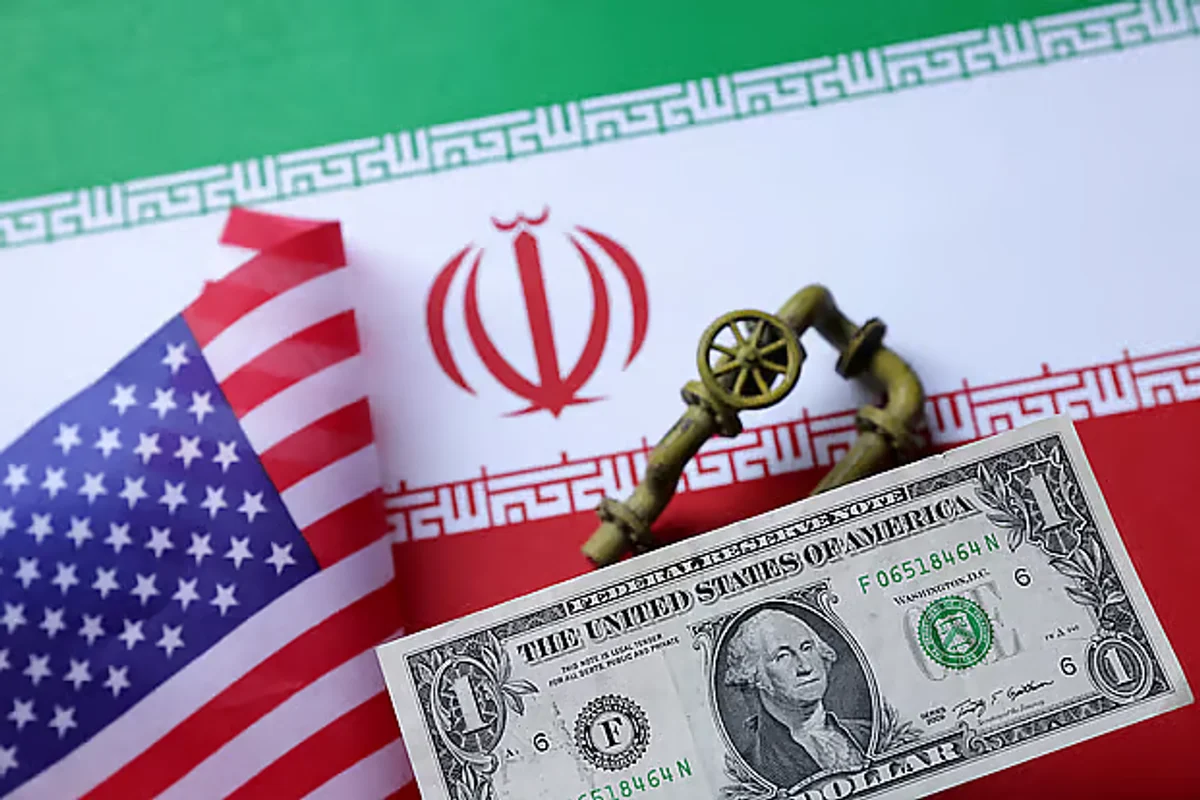
The war with Iran has cost the United States 45.1 billion dollars so far. The Pentagon gave the information to the United States Congress on Friday. Two sources with knowledge of the matter told CNN.
The two sources said the Pentagon, the United States defence headquarters, had told lawmakers that the cost of the Iran war up to September 3 was 43.6 billion dollars. A further 1.5 billion dollars had been spent on additional fuel.
These figures are not a complete account of the cost of the continuing Iran war, however, because they do not include the cost of repairing American bases and buildings damaged in the fighting. In July the Pentagon said the Iran war had cost 37.5 billion dollars up to that point.
One source said the Pentagon had not given Congress a detailed account of the indirect costs of the continuous military operation in Iran, although United States lawmakers had asked for a complete account.
The Pentagon’s figure of 45.1 billion dollars for the Iran war is higher than the estimate of the Congressional Budget Office (CBO), the non-partisan budget research body of the United States Congress. The CBO said the Iran war might cost 38 billion dollars up to August 1.
The CBO’s figure also excludes the cost of repairing American installations damaged during the war. The office said a large part of the total cost had gone on buying munitions and using them. The CBO also said that if the Iran war continued after August 1, the United States could spend a further 2 to 3 billion dollars a month. There is a risk of that cost rising further if the fighting intensifies.
The CBO told lawmakers that if the Iran war continues, inflation in the United States could rise in the first quarter of 2027 (January to March). The prospect of this extra spending has arisen at a time when people in the United States are growing increasingly anxious about the economy.
The war between Iran and the United States and its close ally Israel began on February 28. Iran’s supreme leader, Ayatollah Ali Khamenei, and several other leaders and senior civilian and military officials were killed in their attack on the very first day.
Iran began counter-attacks on United States and Israeli military and civilian installations in the Middle East. Iran’s nuclear and military installations were also targeted during the war. The war has now spread across effectively the whole Gulf region.
Shipping through the Strait of Hormuz is being disrupted as a result of the war, creating concern about energy supplies on the world market. Fuel prices have risen. Oman, Qatar, Pakistan and several other countries have taken diplomatic initiatives to stop the war, but the conflict has still not stopped completely.
বাংলায় মূল প্রতিবেদন পড়ুন · Read the original Bengali report