In winter many people bathe in hot water for comfort. Some prefer cold water for a fresh feeling, and some even take pride in bathing in cold water in winter. But this can bring serious danger.
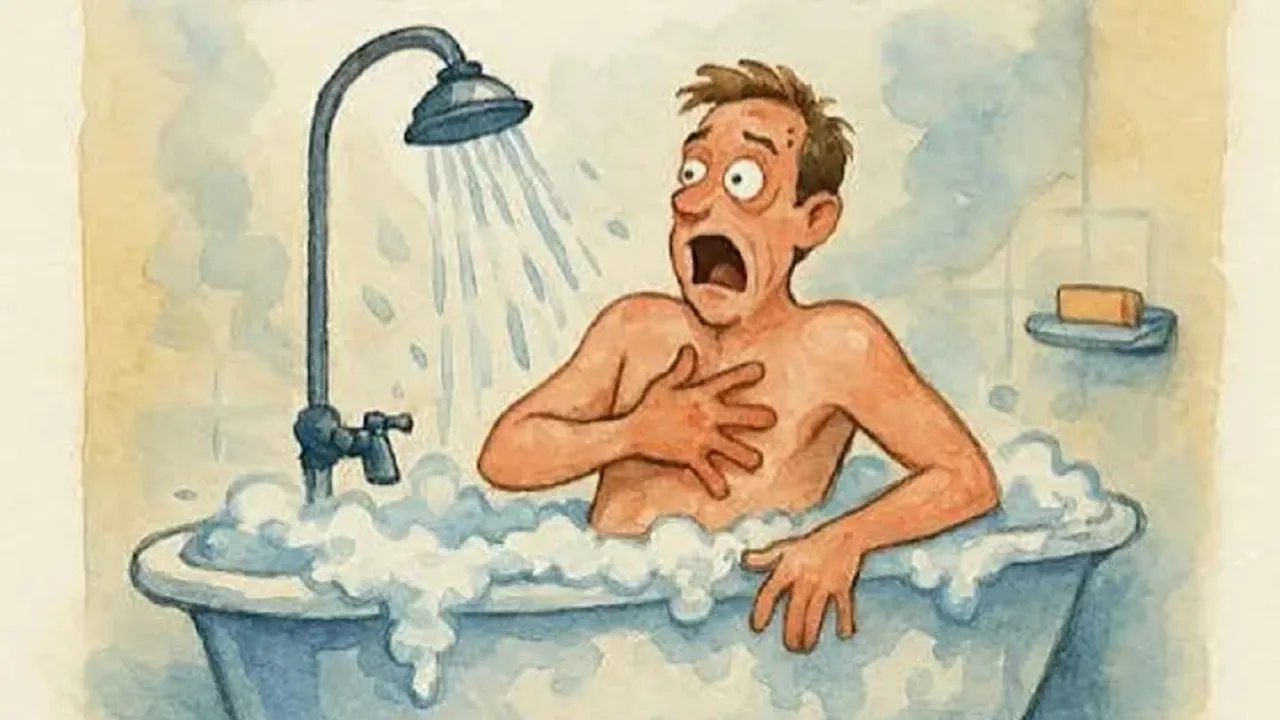
Bathing in very cold water in winter can raise the risk of a heart attack. People with heart disease or high blood pressure, and older people, need to take extra care.
Experts say sudden contact with cold water makes the body's blood vessels constrict. This can raise blood pressure and heart rate and put extra strain on the heart.
For people who already have heart disease, this can become dangerous.
Suddenly starting to bathe in very cold water sets off a reaction in the body known as the "cold shock response". The blood vessels in the skin constrict, and the heart starts pumping blood faster to keep the vital organs supplied.
As a result, blood pressure and heart rate rise.
At the same time breathing quickens and shivering may set in, and the hairs on the body suddenly stand on end. This abrupt change puts extra strain on the heart.
For people with blocked arteries, high blood pressure or heart rhythm problems in particular, this reaction to cold water can raise the risk. The extra strain can cause an irregular heartbeat, or arrhythmia, and in some cases there is a risk of a heart attack.
Despite the risks, there has also been research into possible benefits of cold-water bathing. Experts say it can bring a temporary change in the body's metabolism, increasing the energy the body uses.
A clinical trial in the Netherlands found that regular cold showers cut the risk of illness by about 29 percent. That does not mean cold showers boost immunity or protect against every kind of illness.
Cold-water bathing has some benefits, but it should be followed only with an understanding of your own body. It is not safe for everyone. People with heart disease and those who are unwell in particular should consult a doctor before taking up the habit.
When bathing in winter, avoid suddenly using very cold or very hot water; choose water at a normal temperature or lukewarm.
Do not pour water over your head first. Wet your hands and feet, then slowly move to the rest of the body. This gives the body a chance to adjust to the water temperature.
Experts say people with heart disease or high blood pressure should not bathe in very cold water. If chest pain, breathlessness, dizziness or an abnormal heartbeat comes on while bathing, stop at once and get medical help.
Cold in winter can constrict the blood vessels. Follow a few habits to keep the heart healthy in this season:
- Do regular light exercise.
- Wear enough warm clothes to protect yourself from the cold.
- Eat a balanced diet, avoiding too much salt and fatty food.
- Drink enough water.
- Take your medicines regularly as your doctor advises.
- Keep your blood pressure and blood sugar under control.
- If you have heart disease, do not take up cold-water bathing without a doctor's advice.
The most important thing when bathing in winter is to consider what your body can tolerate.