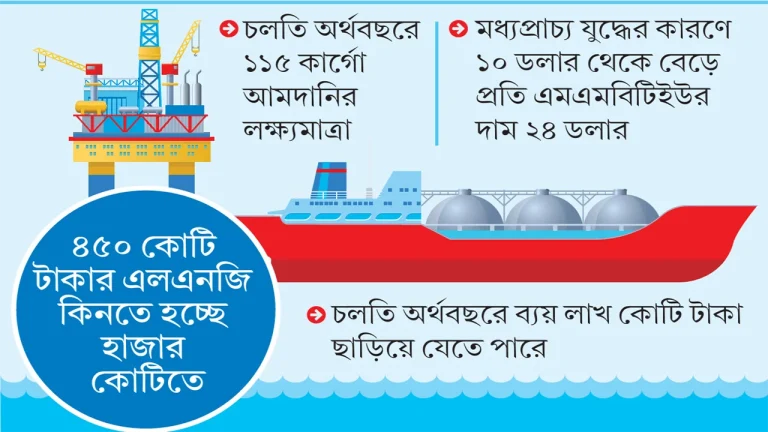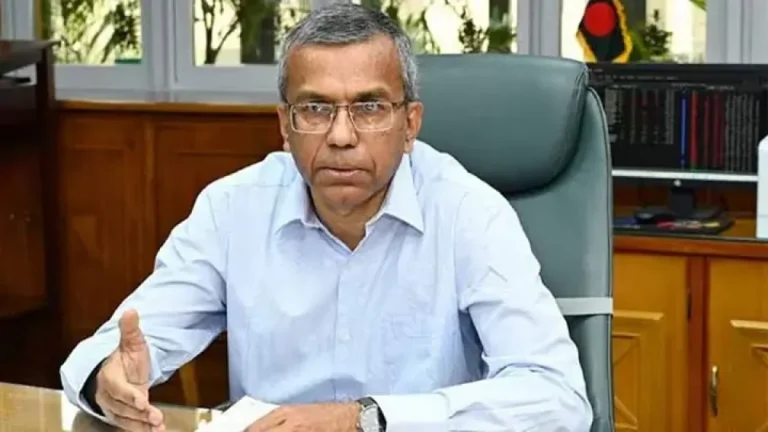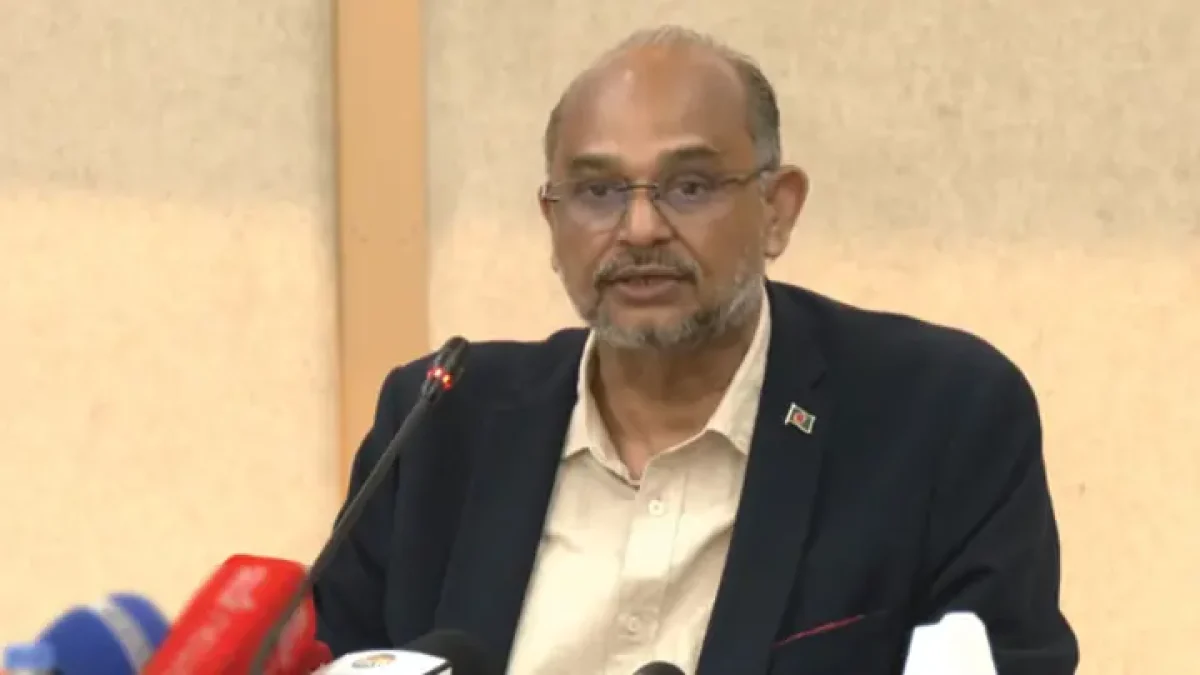
Subsidizing liquefied natural gas (LNG) imports is placing heavy financial strain on the state, Prime Minister's Finance and Planning Adviser Professor Dr Rashed Al Mahmud Titumir said on Saturday, warning that increasing electricity generation alone will not resolve the energy crisis without improving efficiency across production, transmission and distribution.
He made the remarks as chief guest at the opening ceremony of the three-day 4th Bangladesh Energy Conference held at the Bangladesh Military Museum in Dhaka.
Organized by the Bangladesh Working Group on Ecology and Development (BWGED) in association with 14 national organizations, the session was attended as special guest by Transparency International Bangladesh (TIB) Executive Director Iftekharuzzaman and chaired by BWGED convener Dr Kazi Maruful Islam.
Saying the government aims to raise renewable energy's share of electricity generation to 20 percent by 2030 and 30 percent by 2040, Titumir noted that 1,500 crore taka has been allocated for the push. Under the program, rural residents will be able to take 12-year loans at 6 percent interest to install solar power, alongside opportunities to expand solar capacity across government and commercial rooftops as well as suitable farmland. Renewable energy must be brought into the mainstream of the national power system, he added.
TIB Executive Director Iftekharuzzaman said domestic and international lobbies have entrenched structural and institutional dominance by fossil fuels in Bangladesh's energy sector. Breaking that hold requires making renewables a core national priority rather than a mere alternative, reducing reliance on imported fossil fuels and expanding domestic renewable capacity for long-term energy security, he argued.
More than 350 national and international stakeholders—including policymakers, government and regulatory officials, financial institutions, investors, renewable energy entrepreneurs, researchers, academics, journalists, civil society and youth delegates—are joining the three-day event.
Organizers said 13 thematic sessions will cover energy policy and institutional reform, risks of expanding LNG and coal power, transition financing, regional cooperation, industrial decarbonization and the role of multilateral development banks, alongside local government roles, media coverage of energy justice, youth jobs and inclusion of workers, Indigenous communities and women.
Also addressing the opening session were Lawyers for Energy, Environment and Development (LEAD) Chief Executive Abdullah Al Noman, Ethical Trading Initiative Bangladesh Executive Director Abil Bin Amin, Center for Renewable Energy Services Limited Chairman Shahriar Ahmed Chowdhury, Safety and Rights Society Executive Director Sekender Ali Mina, City Bank PLC Deputy Managing Director and Chief Economist Ashanur Rahman and Bangladesh Sustainable and Renewable Energy Association President Mostafa Al Mahmud.