DHAKA, Nov. 27 — The Jamaat-led 11-party alliance has decided to take part as a bloc, rather than as separate parties, in the government's national dialogue and in the talks the Election Commission (EC) has called ahead of the coming union parishad (UP) elections. It also decided to put implementation of the July Charter and the referendum verdict at the center of the talks.
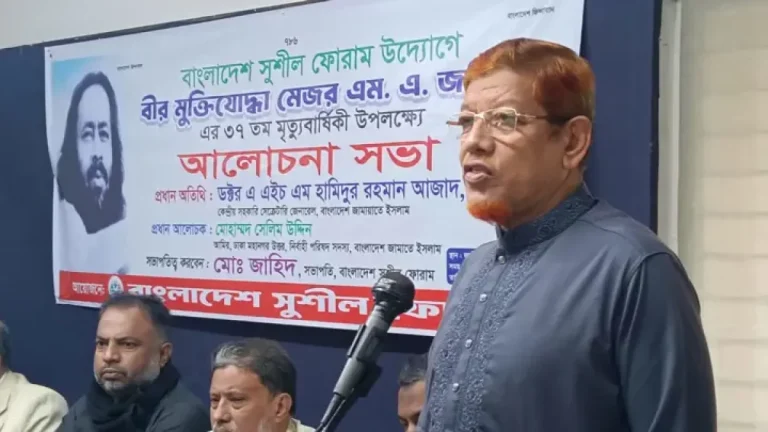
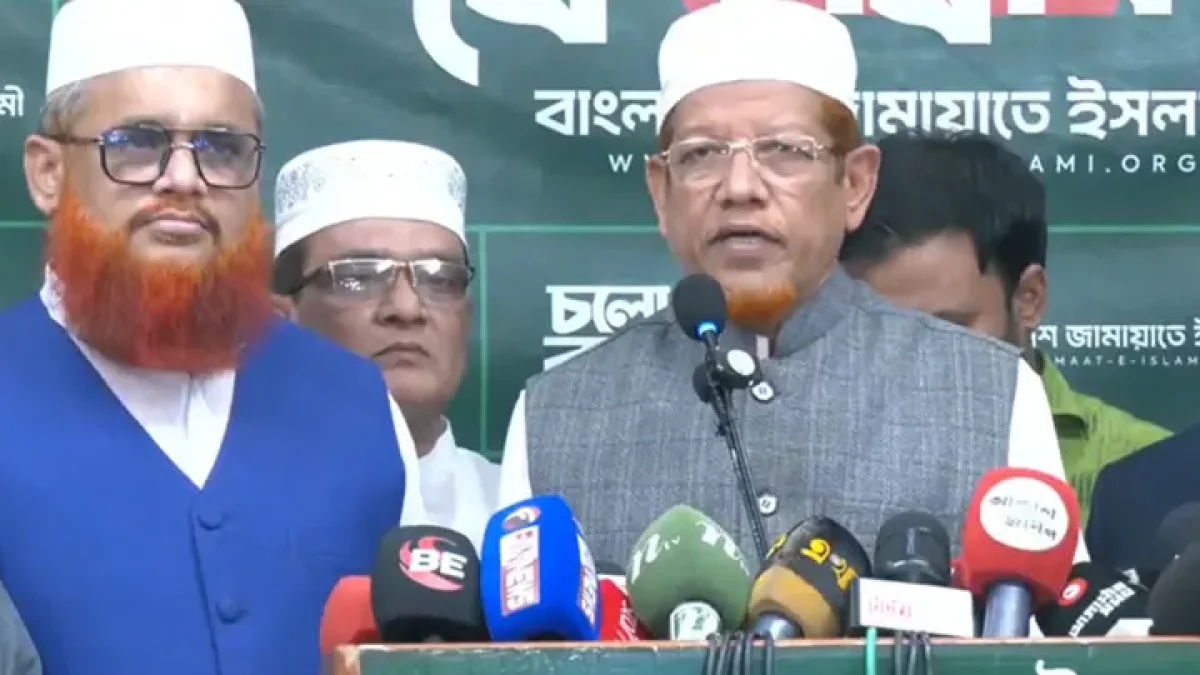
AHM Hamidur Rahman Azad, the alliance's coordinator and an assistant secretary general of Jamaat-e-Islami, announced the decisions at a press briefing on Friday afternoon (Nov. 27) after an emergency meeting of the alliance's liaison committee at Jamaat's central office in Moghbazar, Dhaka. Representatives of the 11 parties' liaison committee, including the National Citizen Party (NCP), attended the meeting.
Separate slot at the EC talks: The Election Commission has arranged talks with political parties in three slots, on Nov. 29 and 30 and Dec. 1, ahead of the union parishad elections. To make the talks meaningful, the alliance has already asked the EC's senior secretary to give the 11-party alliance a separate slot instead of meeting the parties one by one, and it will also apply formally.
Joint attendance at the national dialogue: Resolving the national crisis and implementing the July Charter is a matter for the whole nation, not for any single party, the alliance said. The 11-party alliance will therefore also attend the national dialogue called by the government together.
Agenda to be set by top leaders: With the leader of the opposition back from abroad, the date of the dialogue will be fixed by coordinating the schedules of both sides. Before that, the top leaders of the 11 parties will meet to settle the agenda and their course of action.
July Charter and referendum verdict as the main agenda: The talks will be based on implementing the July Charter and the referendum verdict. Whether any new demand or issue is added will be decided at a meeting of the alliance's top leaders.
Criticizing the government's position on the reform process, Azad said about 70 percent of the country's people had voted on the 48 constitutional reforms in the July Charter. The people had decided everything, he said: how the reforms would be carried out, and how members of parliament would implement them by forming a reform council within 180 days. The main question now was whether the government wanted reform or not, and there was no room to keep the crisis alive by going back to the old narrative, he said.
Asked by reporters about talk that the NCP would attend the Election Commission's talks on its own, Azad said the liaison committee had decided to go as a united bloc, and that if any party had a separate matter, it would become clear by Dec. 1.