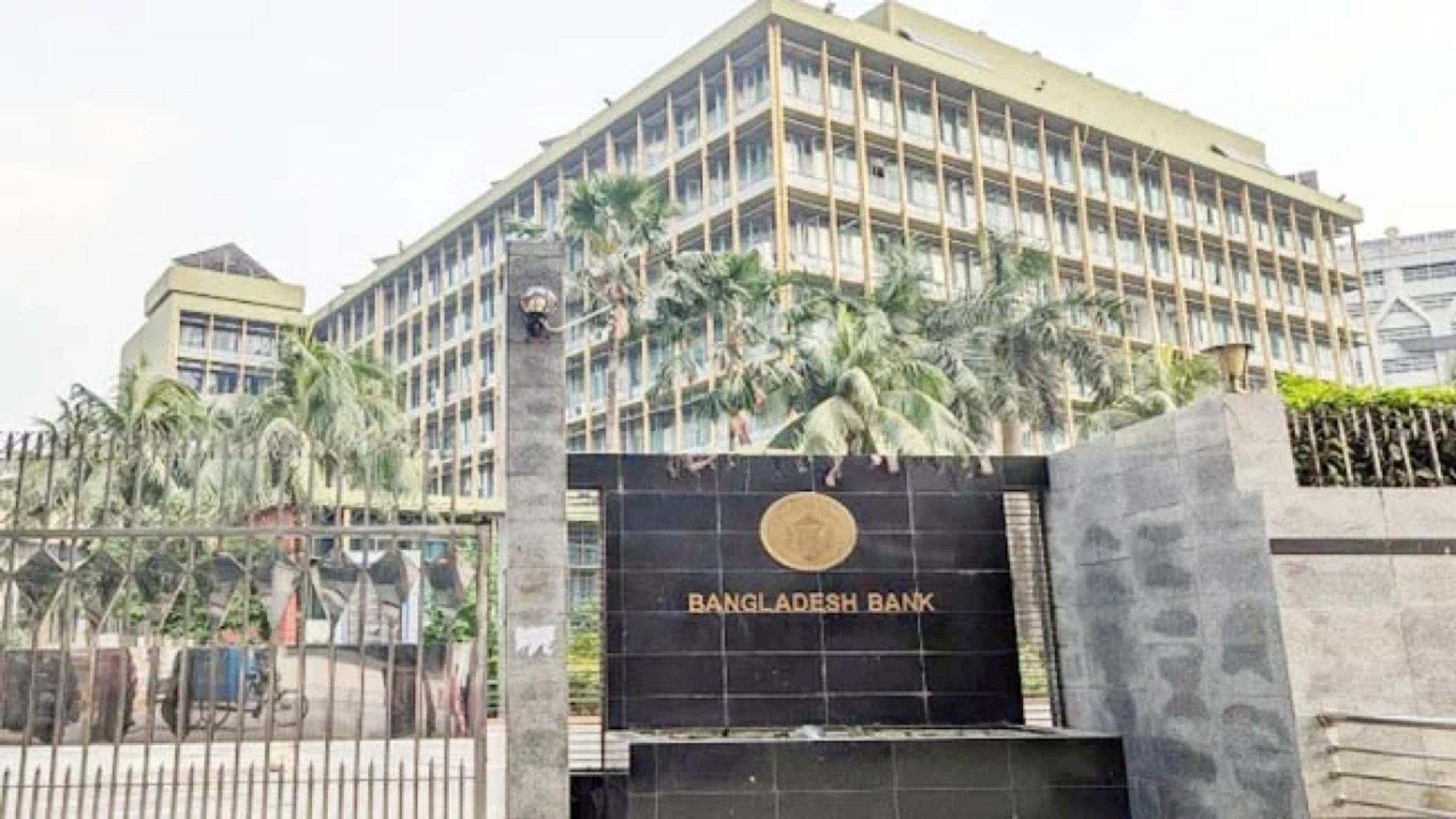
Bangladesh Bank’s monetary policy committee (MPC) believes the rise in fuel oil prices and the introduction of a new pay structure for government officers and employees could put fresh pressure on inflation. The committee has therefore decided not to change the policy rate for now and to monitor the situation.
The issues were discussed at the MPC’s 14th meeting on Wednesday, chaired by the Bangladesh Bank governor, Mostaqur Rahman.
The meeting reviewed the recent domestic and global macroeconomic situation. It noted that although overall inflation is easing somewhat, it remains above the government’s target of 7.5 percent for the 2026-27 financial year.
The committee identified two major challenges for inflation. Fuel prices remain volatile on international markets because of the protracted conflict in the Middle East, and domestic fuel prices were raised in late September. At the same time, the new pay structure for government officers and employees has been introduced. The committee believes these factors could create fresh pressure on inflation.
In this situation the MPC decided to make no change to the current policy rate for now and to monitor the effects of various domestic and international shocks on the economy, in particular their impact on GDP growth and consumer price index (CPI) inflation.
Also attending were Bangladesh Bank deputy governor Habibur Rahman; the economist Dr Mustafa Kamal Mujeri; the director general of the Bangladesh Institute of Development Studies (BIDS), Dr A K Enamul Haque; the chairperson of Dhaka University’s economics department, Dr Firdousi Nahar; and Dr Imam Abu Sayeed, executive director of Bangladesh Bank in charge of the monetary policy department. The MPC’s member secretary and director of the monetary policy department, Dr Mohammad Monirul Islam Sarkar, was also present.
বাংলায় মূল প্রতিবেদন পড়ুন · Read the original Bengali report