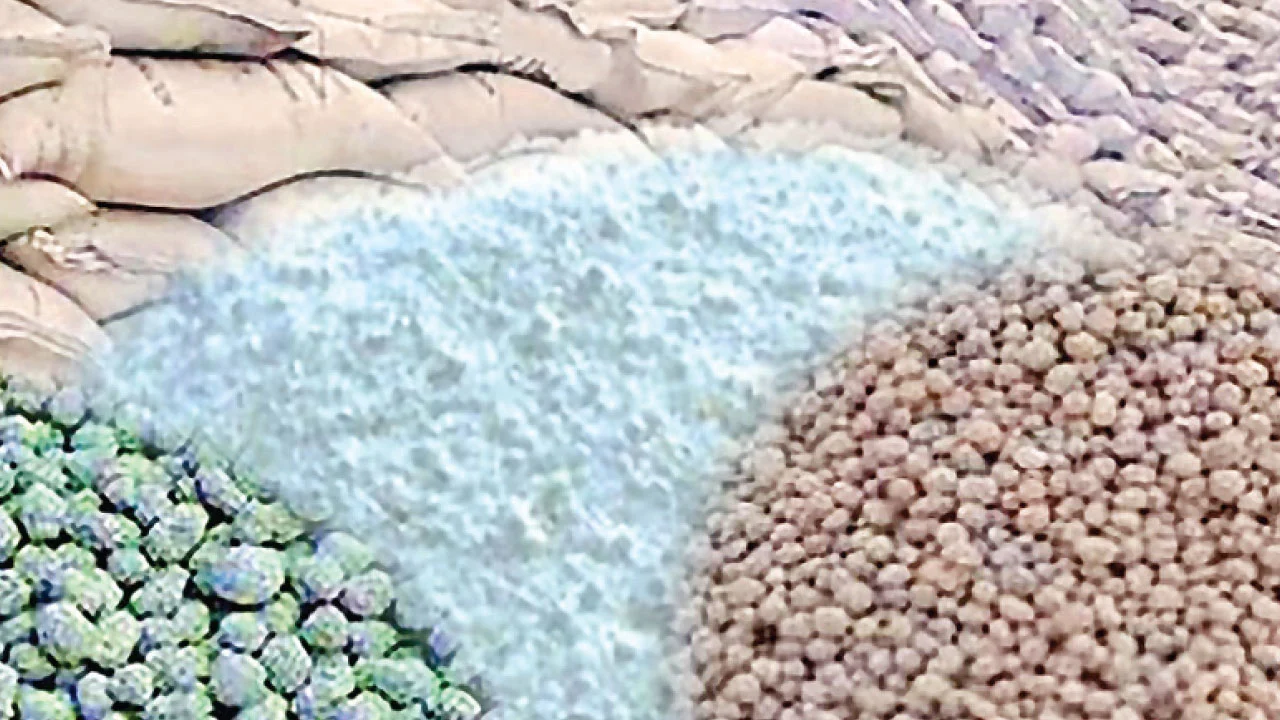
Discrepancies have emerged in the government’s official figures for fertilizer stocks nationwide. Data from the agriculture ministry and related departments reportedly doesn’t match the actual stock levels on the ground. In some cases, paper records show adequate stock while warehouses lack the necessary quantities. In others, outdated figures are being reported without updating the stock accounts. This has created confusion in fertilizer supply and distribution management.
The mismatch is worsening the crisis particularly during the Boro and Aman seasons, when farmer demand rises. Those familiar with the matter say that without quickly verifying actual stock and reconciling the figures, the supply system could face serious problems. Dealers, however, complain that while farming activity has expanded, fertilizer allocations have not increased accordingly.
A review of agriculture ministry statistics shows that the official urea stock nationwide stood at 1,406,926 tonnes at this time last year. It has now fallen to 1,203,399 tonnes — a drop of roughly 203,527 tonnes over the year.
Similarly, DAP stock stood at 43,343 tonnes last year and has now fallen to 36,040 tonnes. However, stocks of TSP and MOP fertilizer have risen somewhat. TSP stock was 26,123 tonnes last year and now stands at 30,265 tonnes. MOP stock has risen from 51,035 tonnes to 53,388 tonnes.
Amid this stock situation, Agriculture Minister Mohammad Amin Ur Rashid told parliament yesterday, Sunday, that there is no shortage of fertilizer relative to demand nationwide. He said intensive field-level monitoring is under way to ensure farmers receive fertilizer at the right time, in the right quantity and at the set price. Demand, allocation and stock levels are being regularly reviewed by region, district and warehouse. He said that if stock falls short of demand in any area, fertilizer will be supplied from other warehouses or regions to make up the gap.
Meanwhile, amid the fertilizer shortage, the government has reassigned three agriculture ministry officials. Amid growing controversy nationwide over fertilizer distribution, the government removed an additional secretary and a joint secretary from the ministry’s fertilizer management and monitoring wing. In addition, Bangladesh Agricultural Development Corporation member-director (joint secretary) Osman Bhuiyan has been removed from his post and attached to the public administration ministry.
Still, taken together — the decline in official stock, the rise in DAP demand, the trend of advance stockpiling and allegations of retailers overcharging — questions have been raised over whether there is truly no fertilizer shortage in the country, or whether artificial pressure is building at the field level before a shortage actually hits.
Rajshahi sub-assistant agriculture officer Md Moniruzzaman said the actual field-level demand for fertilizer is comparatively low right now. Aman paddy planting is nearly complete, and the necessary fertilizer has already been applied in most cases. However, with the coming potato season ahead, farmers are stockpiling fertilizer in advance.
According to him, urea sales are currently minimal; among non-urea fertilizers, DAP demand is the highest. Allegations of excess stockpiling and irregularities have surfaced against some retailers. As of last Thursday, 19 dealers and retailers had been fined over such allegations.
The picture is similar in Kurigram. Sub-assistant agriculture officer Ziaur Rahman there said four retailers in the district had been fined as of August 27, on allegations of selling fertilizer above the set price and illegal stockpiling. The district has 94 BCIC dealers and 114 BADC dealers.
A nationwide update of the dealer and retailer database is currently under way. The Department of Agricultural Extension is updating, via Google Sheets, dealer appointment data for 85 dealers across the country’s 12 city corporations, 990 dealers across 330 municipalities, and dealers in 4,592 unions based on set ratios. Under the previous count, the country had a total of 10,814 dealers and 31,384 retailers.
Department of Agricultural Extension field-inspection wing director Obaidur Rahman Mondol said there is no record of any farmland going uncultivated due to a fertilizer shortage in Bangladesh. He claimed that every year, some dealers engage in various irregularities in hopes of extra profit.
He said field visits across 16 northern districts found no unusual crowding of farmers at dealers’ shops.
He added that, just as there was no record of uncultivated land due to fertilizer shortage last year, there is no shortage this year either. No new land has emerged that would suddenly spike fertilizer demand. He said dealers are largely stoking fear simply to pocket some extra money unethically.
However, the experience of farmers on the ground doesn’t entirely match the administration’s account. Shahidul Islam, a farmer in the Kodalkati union of Char Rajibpur, Kurigram, said that although he needs urea and other fertilizers for the Aman season, he hasn’t yet started buying. He said supply isn’t completely cut off, but prices are higher in some places.
Taken together, farmers say that while official stock has declined somewhat, the field-level fertilizer supply remains functional. But they say the apparent attempt by dishonest trading rings to create an artificial crisis, exploiting illegal stockpiling and weak monitoring, must be firmly and swiftly stopped.