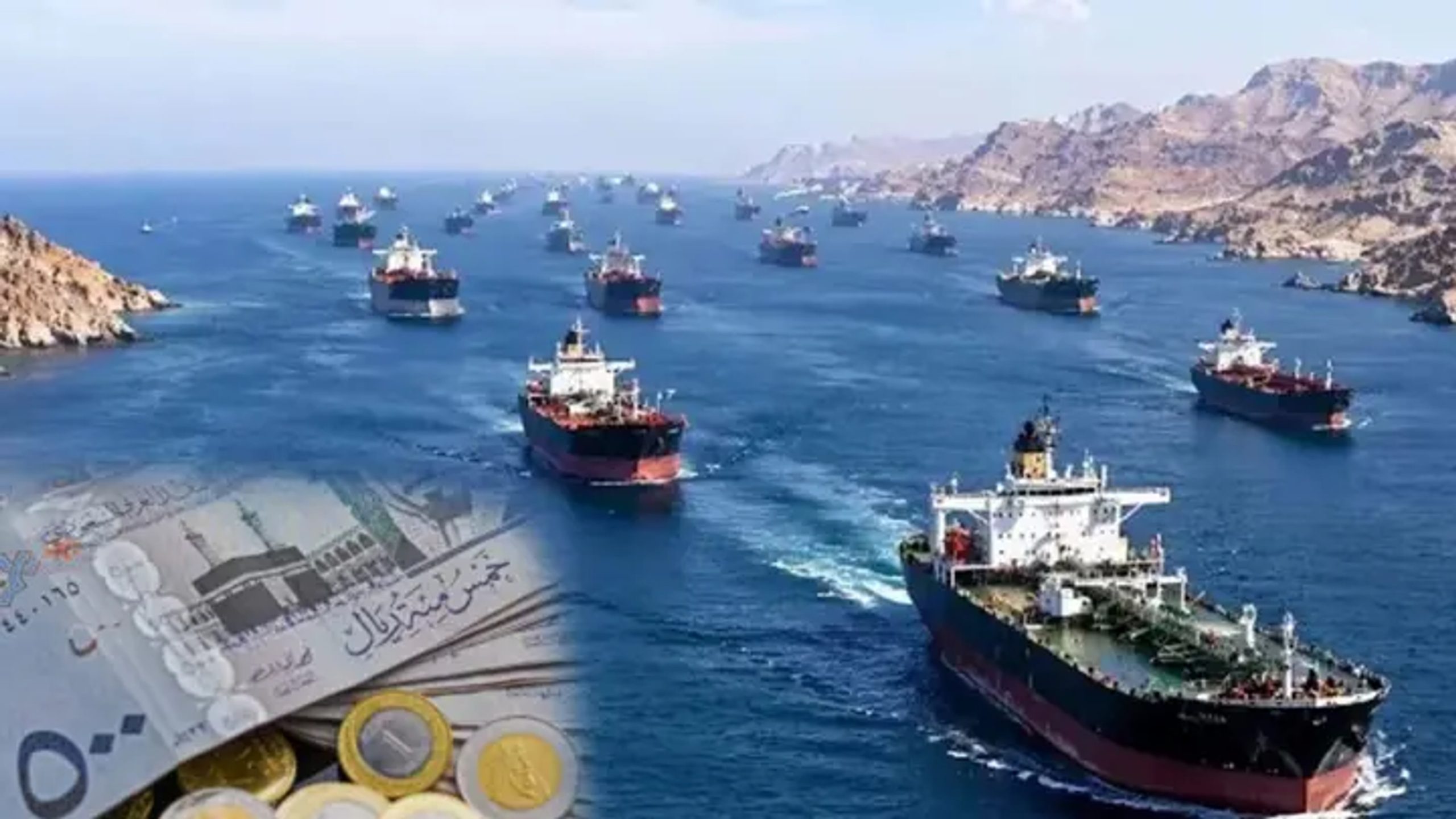
Gulf Arab countries are facing major economic risk after shipping through the Strait of Hormuz came to a halt. Analysts believe the pre-war conditions, when goods and energy moved through unhindered, are unlikely to return to how they were. As a result, Arab states may need to reach some new understanding with Iran to manage the situation.
Sultan Barakat, professor of public policy at Qatar’s Hamad Bin Khalifa University, told Al Jazeera that the prospect of shipping through the Strait of Hormuz resuming as freely as before is very slim. In particular, he believes Iran will not agree to allow armed military vessels linked to the United States or Israel free passage through this waterway in the future.
According to Barakat, with traffic disrupted through the Strait of Hormuz and other key shipping lanes, global markets are already trying to adjust to a new reality. In this situation, reaching some form of understanding with Iran has become important for Gulf Arab states.
He said Arab countries will have to agree to some new arrangement, because they are ultimately the ones paying the biggest economic price for the standoff at the Strait of Hormuz.
Analysts say around 90 percent of these countries’ exports are effectively stuck. International markets are not waiting for things to return to normal. Instead, buyers and traders are finding alternative routes every day to secure supply.
The development of alternative transport arrangements has pushed up prices for goods on international markets. Even so, Barakat noted, no major crisis has yet emerged in the supply system. Various parties, he said, are using alternative sources and transport routes to manage the market situation.
In the long term, however, the standoff at the Strait of Hormuz could place even greater pressure on Gulf economies. To adapt to the situation and protect their own export and trade interests, Arab states may need to pursue a fresh understanding with Iran.