GAZA CITY — Meningitis is spreading among children in war-ravaged Gaza at an alarming rate. Contaminated water, a collapsed health system and severe shortages of medicines and medical supplies are making the situation worse. Overcrowded shelters, broken sanitation and a lack of safe water are also raising the risk that infectious diseases will spread.
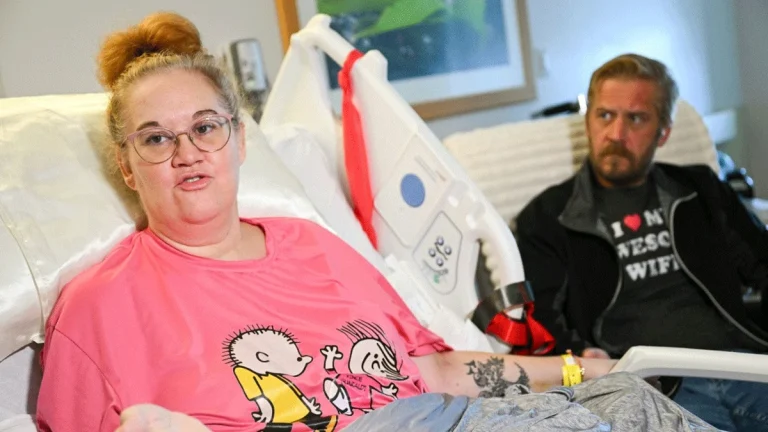
A 2-month-old boy has been in treatment at Al-Rantisi Children's Hospital in Gaza for the past 10 days. Doctors diagnosed meningitis after he developed a fever of up to 39 degrees Celsius and his stomach swelled repeatedly.
His mother said a rash appeared first, followed by a high fever. Since then, doctors have run tests and scans on him every day. But because the medicines he needs are in short supply, his condition has not improved much.
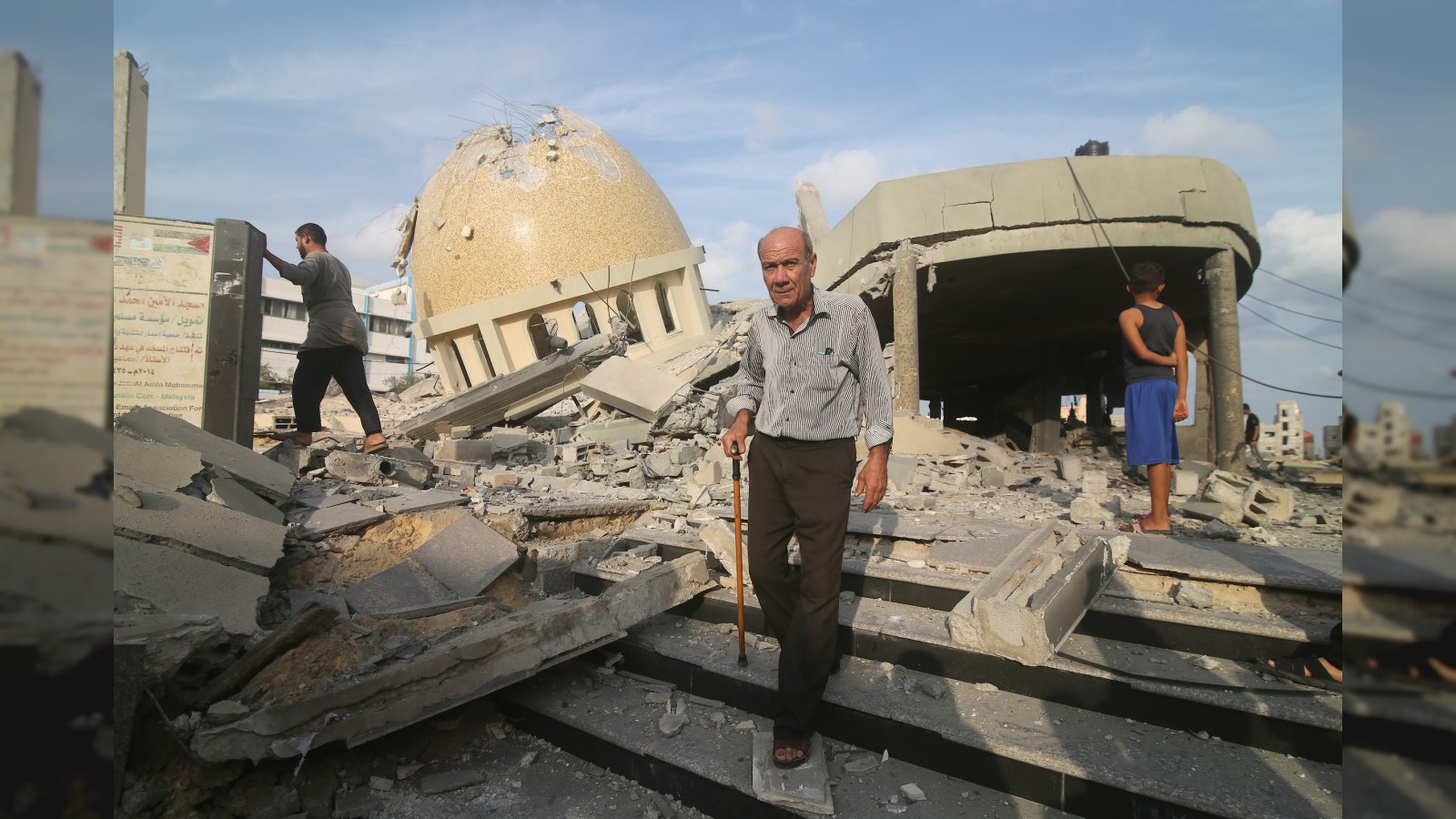
He is one of the latest children in Gaza to contract meningitis. Israeli attacks have almost destroyed the territory's health system, and restrictions on the entry of essential medicines are disrupting treatment.
The UN Office for the Coordination of Humanitarian Affairs (OCHA) said 413 suspected cases of meningitis were recorded in Gaza between Sept. 27 and Oct. 31. Of these, 294 were viral and 119 bacterial. Gaza City accounted for 68 percent of the cases.
On Tuesday, the Palestinian Health Ministry declared an "epidemic alert" across Gaza as meningitis infections and deaths rose. According to the ministry, 1,790 people have been diagnosed with meningitis since the start of the year, and 15 have died of the disease. At least 272 infections were confirmed in October alone.
Overcrowding among displaced people, unsafe drinking water, damaged sanitation and the breakdown of emergency health care have raised the risk of infectious disease across Gaza. The World Health Organization (WHO) said in September that the share of Gaza water samples containing germs rose from less than 6 percent in January to nearly 20 percent in August.
Contaminated water raises infection risk
A mother is spending anxious days beside her 9-month-old son, who has meningitis and is being treated at Al-Rantisi Hospital in Gaza City.
The family's home was destroyed in an Israeli strike during the war. Since then, she and her family have lived in a single room of a partly destroyed building with other displaced families.
She said her son's health began to deteriorate a day after they visited relatives living in a makeshift tent near a shelter for displaced people. She believes they came into contact with a child who had meningitis and that her son caught it there.
She said he had a high fever for nearly a month. He was given fever medicine repeatedly at several medical tents and clinics, but there was no lasting improvement. The fever would drop for a while and then rise again.
Doctors at Al-Rantisi Hospital later took fluid from the lower part of his spine for testing, and the test confirmed meningitis.
She said her displaced family has no access to safe drinking water. They are drinking contaminated water and rely entirely on aid distributions for food.
Al-Rantisi Children's Hospital was badly damaged by Israeli attacks during the war. It is now increasingly crowded with children suffering from meningitis and other infectious diseases, raising fears that infections will spread among children inside the hospital.
The 2-month-old's mother believes the overcrowding and the lack of proper isolation at the hospital have made her son's condition worse. She said there are no basic hygiene facilities and not enough safe food or clean water.
"I appeal for the essential medicines and medical equipment our children need to be allowed into Gaza," she said. "We have lost our homes and our lives in this war. Now we do not want to lose our children."
Environmental collapse drives infections
Dr. Nidal Ghunaim, deputy director general of primary health care at the Palestinian Health Ministry, said both viral and bacterial meningitis infections in Gaza have risen significantly compared with previous years.
He said enteroviruses play a major role in the rise, and their spread is closely linked to Gaza's worsening environmental conditions. Sewage mixing with drinking water has made the situation more complex, he said.
Recent heavy rain has added to the concern. Ghunaim said rainwater flooded many parts of Gaza, mixing sewage into drinking water, and the destruction of infrastructure has made things worse. Health officials fear the crisis could deepen if flooding returns, he said.
He also said hospitals face severe shortages of laboratory supplies, medicines and facilities to isolate patients.
Ghunaim called on the international community to intervene urgently to address Gaza's environmental and water crisis. Extensive damage to water supply infrastructure has severely disrupted access to safe, clean water, he said, so rebuilding and repairing the water supply system must be the top priority.
Meanwhile, at Al-Rantisi Hospital, a grandmother has stayed at the bedside of her 5-year-old grandson for the past 10 days. He was admitted after developing a high fever.
She said the boy came home from kindergarten one day with a high fever. Cold compresses on his forehead, neck and armpits brought no improvement.
Throughout the interview, the child lay beside his grandmother with his eyes closed and a cold compress on his forehead. Still the fever would not come down.
"He is my only grandson. What crime has he committed to suffer like this?" she said.
"We are no longer living," she added. "Our life is the same as death."