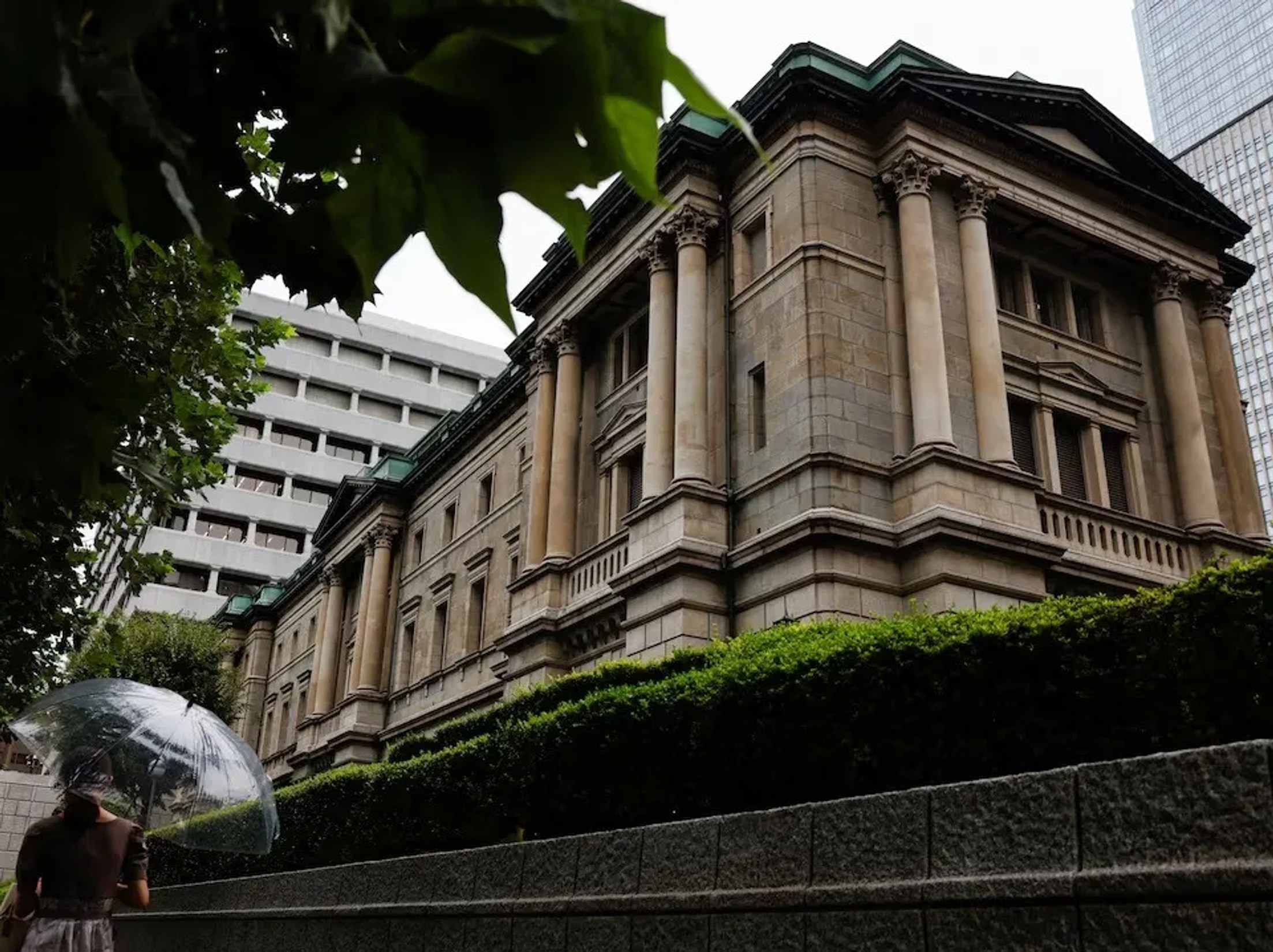
The Bank of Japan (BOJ) has raised its key interest rate to its highest level in 31 years, aiming to curb the mounting pressure of rising inflation and wage growth. The central bank raised the rate by 0.25 percentage points to 1.25 percent on Friday, according to a report by Al Jazeera Online.
It is the first rate increase since last June, signalling Japan’s complete departure from the ultra-low interest rate policy it maintained for decades. Rising energy prices, a global supply crunch and domestic inflation exceeding the central bank’s 2 percent target have left the country struggling to keep the market under control. Businesses are passing the burden of higher costs for daily necessities, including food, on to ordinary consumers. A shrinking population has also left the country facing an acute labour shortage, driving up wages and creating a structural, persistent pressure on the economy.
Recent interest rate rises by the US Federal Reserve have also significantly influenced Japan’s decision. Analysts say that when the interest rate gap with the United States widens, the Japanese yen weakens, pushing up import costs and intensifying inflation further. The European Central Bank also raised its interest rate to 2.5 percent last week. Against this backdrop, market analysts are now watching closely to see how much further Bank of Japan governor Kazuo Ueda might raise rates in the future.