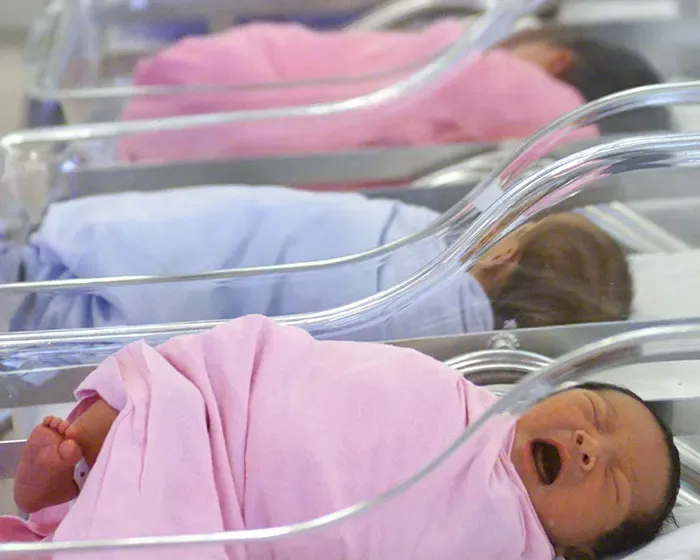
Singapore has seen a historic drop in its birth rate. To reverse the trend and encourage couples to have children, the government has announced direct financial support of roughly S$70,000 (about 6.8 million taka, or 68 lakh) per child through age 17.
But despite the substantial incentive, many young couples remain reluctant to grow their families, citing the high cost of living, intense academic pressure and career complications. The Guardian has reported on the issue.
Singapore’s Prime Minister Lawrence Wong said a special grant of S$10,000 will be given right after a child’s birth, along with separate support of S$5,000 for medical costs and another S$5,000 for education expenses.
In addition, families will receive S$2,000 in annual child support from ages one to 16, preschool fees will be cut to S$150 a month, and paid maternity and paternity leave will be extended. The prime minister said a country’s future depends on a strong family structure.
Singapore’s fertility rate — the number of children born per woman — has fallen to just 0.87, one of the lowest in the world. That is far below the 2.1 rate needed to maintain a stable population.
This year, more than 21 percent of Singapore’s total population will reach age 65 or older, a threshold the UN defines as a “super-aged” society. With the working-age population shrinking and the elderly population growing, the country faces long-term economic challenges. A recent survey by pollster YouGov found that one in four adults in Singapore has decided not to have children.
Many believe government financial support alone cannot offset the enormous time commitment and social competitive pressure of raising children. Because of an intensely competitive education system, a culture of private tutoring, and excessive workplace pressure, many are staying away from having children in order to preserve their independent lifestyle.