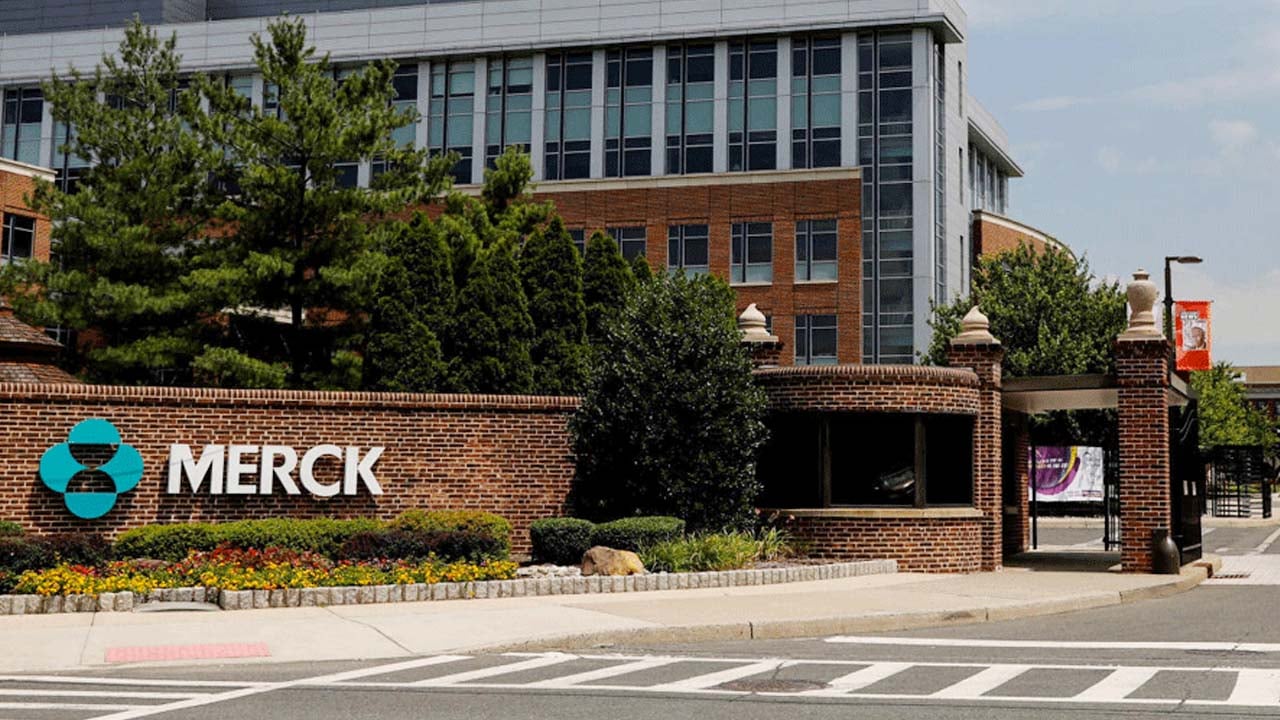
After a century of failure in cancer treatment, a personalized mRNA cancer vaccine developed jointly by Moderna and Merck has offered a new ray of hope. Unlike earlier attempts, this success came not in an early-stage trial but in a late-stage trial — the first time any therapeutic cancer vaccine has shown such promise.
In a trial involving more than 1,000 patients, the vaccine, made by the American drugmakers, reduced the risk of recurrence or spread following surgery for localized melanoma. Full trial data has not yet been published, but researchers and cancer specialists believe the success could mark the beginning of a new era of vaccines personalized to a patient’s own cancer characteristics.
News arrived after a long wait, by phone call
On the night of August 13, Moderna Chief Executive Officer Stéphane Bancel was at a Lebanese restaurant celebrating a friend’s birthday. That’s where he received the long-awaited phone call: the clinical trial of the cancer vaccine jointly developed by Moderna and Merck had succeeded.
Bancel said the news reminded him of when Moderna’s COVID-19 vaccine trial results were announced in late 2020. But the moment of joy didn’t last long — work on next steps began almost as soon as the results came in.
It was much the same for Dean Li, president of Merck Research Laboratories. In his words, it wasn’t simply a “moment of celebration” — it was time to immediately start working on what comes next.
The result of a decade of research
Behind this success from Moderna and Merck lies roughly a decade of research. The two companies formally partnered to develop a cancer vaccine in 2016. Under the agreement, Merck invested $200 million in 2016 and a further $250 million in 2022, with the two companies sharing research costs and future profits.
At the time, Merck’s cancer drug Keytruda was rapidly gaining popularity as one of the most important drugs in a new class of immunotherapy. Such drugs remove the natural barriers that prevent the body’s immune system from fighting cancer cells.
According to Merck research officials, Keytruda showed scientists that the human immune system can recognize cancer cells — but cancer cells also build various defenses to protect themselves. Keytruda helps clear away those defenses.
Researchers then began searching for various ways to further strengthen the immune system’s response. Many attempts failed.
Tal Zaks, Moderna’s former chief medical officer, worked on cancer vaccines for a long time. In his words, they had failed many times before. But mRNA technology, the falling cost of genetic sequencing for cancer, and advances in immunotherapy opened the door to new possibilities.
How will the vaccine work?
The new vaccine is called intismeran autogene. Unlike conventional vaccines, it isn’t designed to prevent infection. Instead, it identifies specific genetic mutations in a patient’s own cancer cells and trains the immune system to attack those cancer cells.
The process begins by analyzing the genetic characteristics of a patient’s tumor. A personalized vaccine is then made targeting the specific mutations or genetic changes present in that patient’s cancer.
Earlier cancer vaccines typically tried to target just one or two specific mutations. But the new mRNA technology makes it possible to target many more mutations at once.
The vaccine can train the immune system to recognize as many as 34 distinct cancer targets. As a result, even if one target doesn’t work, other targets can still identify and destroy cancer cells.
Why was melanoma chosen?
Researchers chose melanoma first because it carries a higher number of genetic mutations than many other cancers. It also has a strong track record of responding to Keytruda.
The trial enrolled patients whose early-stage melanoma had been surgically removed. The window of time after surgery gave researchers the opportunity to analyze the characteristics of each patient’s tumor and build a personalized vaccine, while also allowing time for an immune response to develop.
Researchers used the vaccine together with Keytruda. Keytruda helps activate the body’s T-cells, or immune cells, against cancer cells, while the personalized vaccine gives those T-cells an “address,” or target, to identify the specific cancer cells.
Billions of dollars in potential if it reaches the market
If the vaccine is successfully approved, both Moderna and Merck stand to gain major commercial benefits. US approval could come as early as next year.
The vaccine’s success is especially significant for Merck, since patent protection for Keytruda is set to expire later this decade. For Moderna, meanwhile, a cancer vaccine could open new business opportunities after demand for its COVID-19 vaccine declined.
Moderna’s share price rose significantly after the trial results were announced. Market analysts estimate the vaccine could generate more than $1 billion a year in sales by 2030, and roughly $3 billion by 2035.
Bigger trials lie ahead
Researchers still face major challenges ahead. It has become somewhat clearer how effective the technology is for cancers with a high number of genetic mutations, like melanoma. But it remains a major open question whether the same approach will succeed for cancers with comparatively fewer mutations, such as lung, kidney and pancreatic cancer.
Researchers are further analyzing the melanoma trial data in search of ways to boost the vaccine’s effectiveness.
Moderna CEO Stéphane Bancel’s own comments hint at further development ahead. In his view, the current version is not the final version of intismeran.
After a century of failure, this success therefore represents not just the possibility of a new cancer vaccine, but the emergence of a new era of treatment tailored to the genetic characteristics of each patient’s cancer.