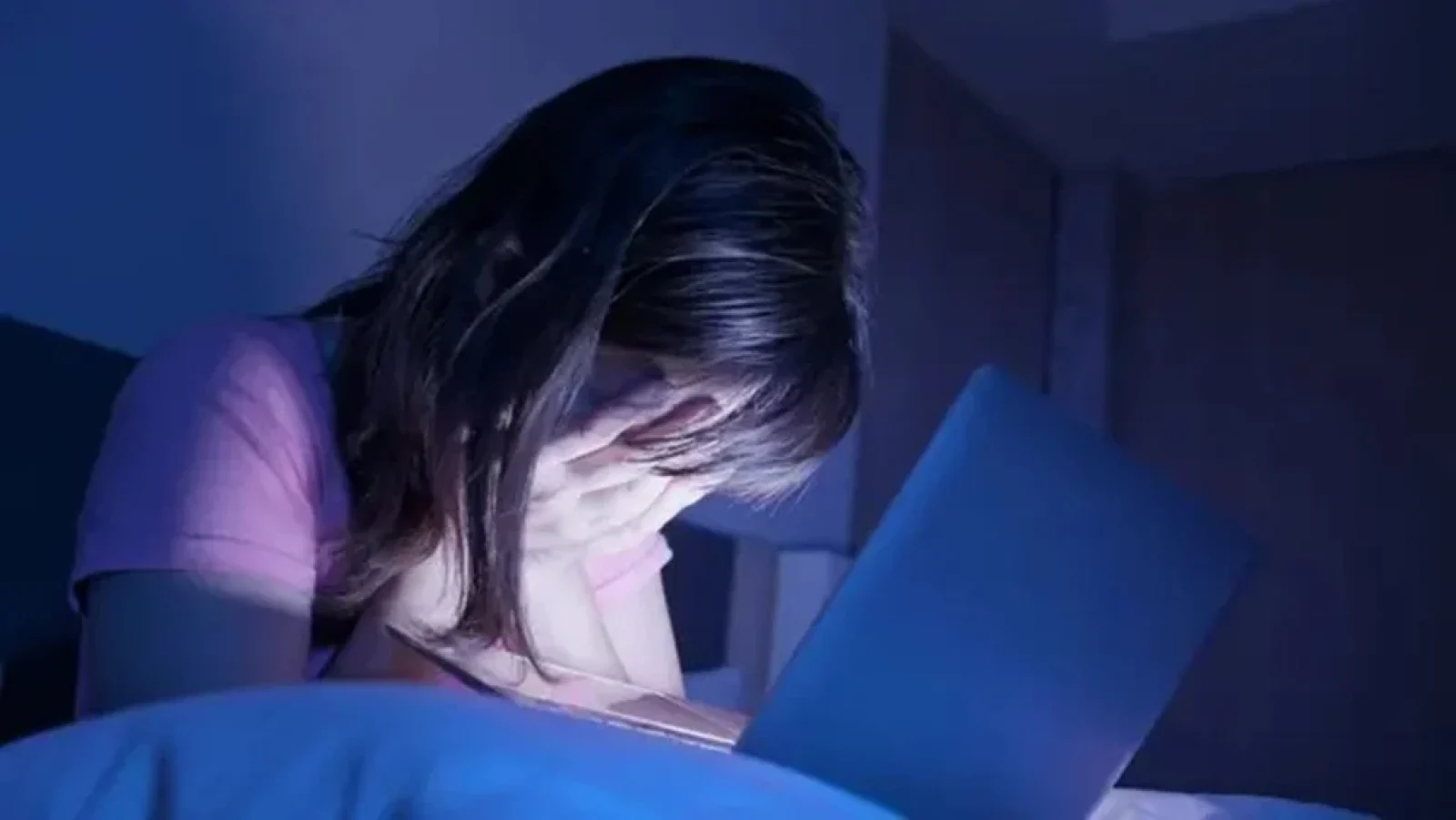
While playing a computer game online, a Pakistani teenage girl, Zara Shah (not her real name), fell into a stranger’s trap. She never imagined that a conversation that began with small talk would lead her into terrible online sexual abuse.
An estimated 1.5 million children in Pakistan were sexually abused online in the past year, according to a report published this month by UNICEF, the United Nations children’s agency. Zara is one of them.
“Our conversation started while we were playing a game online,” said Zara, who is 17. “At first he behaved like a friend. After a while he talked about meeting, and at one point he started asking for nude pictures of me.”
“When I refused, he threatened to find my family members online and tell them what we had been talking about,” she said.
In 85 per cent of cases involving victims aged 12 to 17, the abuser was someone the child knew, the UNICEF report says.
“Abuse can start through friendly conversation, chat during gaming, promises of gifts, money or a romantic relationship,” Daniel Kardefelt, the lead author of the global UNICEF report, told AFP.
Offenders use the information children share on social media to try to win their trust, a process that can take months. According to the UNICEF report, 71 per cent of child victims in Pakistan over the year told no one about the abuse, for fear of shame and of how society and their families would react. None of the children who took part in the survey made a complaint through any formal channel such as the police, a helpline or social workers.
Mehek Naeem, director of the Lahore-based child rights organisation Pahchaan, said about 44 per cent of the sexual abuse recorded in a year took place online. WhatsApp and Snapchat were the platforms most used.
Offenders trick victims into handing over private photos, videos or other sensitive information. They then threaten to spread it to the victim’s family or on social media, typically to force the victim to send more sensitive images, to engage in physical relations, or to pay large sums of money. Because of the conservative social system, girls are at the greatest risk of this kind of deception. Often, when such an incident becomes known, restrictions are placed on girls’ movements or they are forced to leave school.
For Zara, the threat that her family would be told was enough to keep her silent. She said that if her family had found out, she might have been stopped from going to school or leaving the house for good. So even though she lived with intense anxiety every day, she did not speak up.
According to UNICEF, about 74 per cent of children aged 12 to 17 in Pakistan use the internet regularly. As children’s access to digital platforms grows, their safety online has become a major concern.
Like several countries around the world, the government of Pakistan’s Punjab province this month passed a proposal in favour of banning children under 16 from using social media. The proposal has met strong objections.
“I do not agree with this ban,” said digital rights activist Usama Khilji. “It is extremely hard to enforce, and children will easily get around it using VPNs. Besides, the ban would take away the freedom of expression that children have.”
Pakistan has a legal framework to tackle technology-enabled crimes against children. But “it is not implemented”, said Tahira Afrasiab, a spokesperson for the non-profit Muslim Hands.
Legal experts say the existing law also has many loopholes. Human rights lawyer Salman Afridi said children’s economic vulnerability is being exploited to make them produce sexual content for as little as 10,000 rupees, which he called extremely alarming.
“We are seeing a misuse of technology in which a whole chain is at work — luring children, blackmail, producing content and distributing it commercially,” Afridi said. “It can clearly be called a commercial ecosystem of exploitation.”
For Zara and many children like her, there is no escape from the nightmare that began with an online game. “I was scared then, and I am scared now,” she said. “I am really living in utter terror.”
বাংলায় মূল প্রতিবেদন পড়ুন · Read the original Bengali report