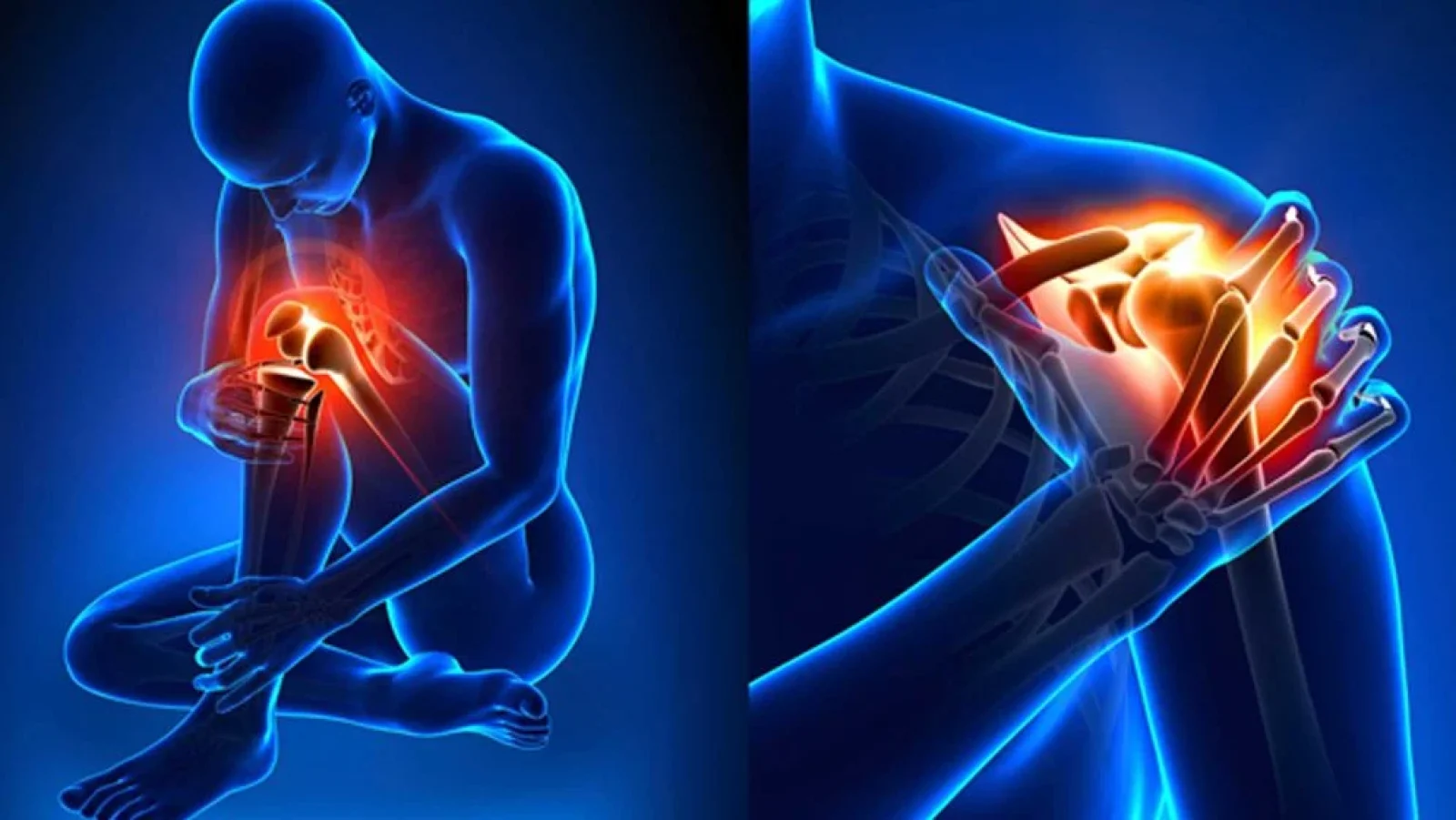
A study of rheumatoid arthritis has recently been carried out jointly by the Indian Council of Medical Research (ICMR) and the National Institute of Nutrition (NIN) in Hyderabad.
According to a report in the Deccan Chronicle, the study covered 615 adults aged 18 to 55, of whom 301 were newly diagnosed patients and 314 were healthy people.
The ICMR is India’s apex body for the formulation, coordination and promotion of biomedical and health research.
The study says rheumatoid arthritis develops gradually. It rarely begins with severe joint pain or difficulty in moving; it starts with occasional slight pain, which many people dismiss as normal wear or strain.
But if these signs keep coming back, it is important not to ignore them and to recognise them as an early warning.
The study found that the diets of people with rheumatoid arthritis are much less varied than those of healthy people and lack adequate micronutrients.
Above all, their diets have a much greater capacity to increase inflammation.
The study used the Dietary Inflammatory Index (DII), which measures the inflammatory potential of a person’s food. The median DII score of those with rheumatoid arthritis was 2.18, against only 0.37 for healthy people.
What is rheumatoid arthritis?
According to the Mayo Clinic, it is a chronic, systemic autoimmune disease in which the body’s immune system mistakenly attacks the lining of the joints, the synovium. This causes painful inflammation, swelling and stiffness.
Early warning signs
Dr Rajeev Verma, chairman of the Bone and Joints Institute at Manipal Hospital in New Delhi, stresses recognising some early signs, which if identified in time can protect everyday movement and quality of life.
Stiff joints in the morning: on waking, the joints feel hard or locked. It usually takes 30 minutes to an hour for the body to loosen. If this happens every morning, an orthopaedic specialist should be consulted.
Lasting joint pain on movement: there may be discomfort when climbing stairs, gripping something or bending. At first the pain eases with rest, but over time it begins to persist.
Swelling round the joints: inflammation causes fluid to collect inside the joint, producing slight swelling. The area may look swollen or feel warm to the touch.
Reduced range of movement: a joint that used to move easily may feel stiff or restricted. Tasks such as raising the arm or straightening the knee fully become hard.
Grinding or noise: there may be a rough or grinding feeling on movement. Occasional painless sounds are no cause for concern, but such grinding with pain or swelling is a strong sign of cartilage damage.
বাংলায় মূল প্রতিবেদন পড়ুন · Read the original Bengali report