Analysis
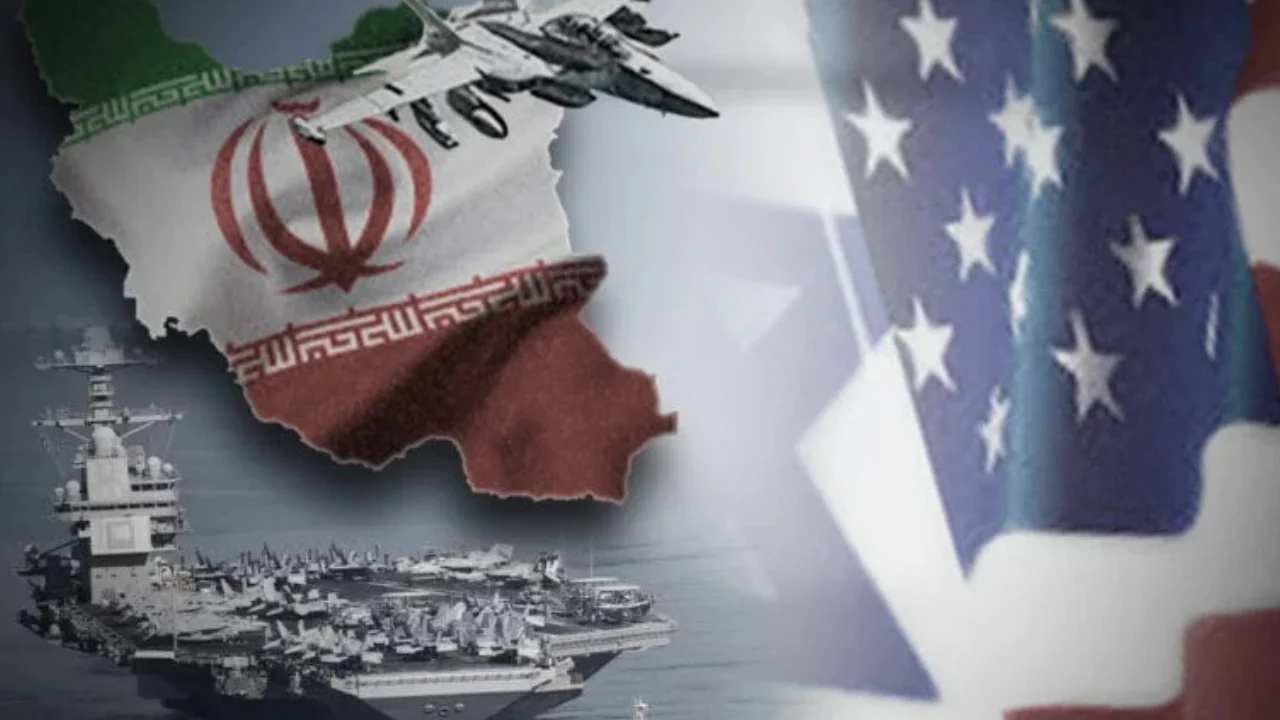
The United States is paying a heavy diplomatic and strategic price for its war against Iran. Analysts say Washington’s influence in the Middle East, the trust of Gulf countries, and the prospects for a quick end to the war have all been damaged as a result.
Alan Eyre, a former senior American diplomat who played a key role in negotiations over the 2015 Iran nuclear deal, analyzed the consequences of the US war against Iran in an interview with Al Jazeera from Washington.
According to Eyre, America’s “soft power” in the Gulf region has been severely damaged. Because President Donald Trump chose to launch the military operation unilaterally, he said, member states of the Gulf Cooperation Council (GCC) are now leaning toward a more balanced policy regarding their own strategic positions.
In his words, the “America First” policy has effectively turned into “America Alone.”
Eyre said Washington has lost its capacity to exert influence in two important respects. First, the United States has already used its military “tool,” but it failed to force Iran to surrender. As a result, the effectiveness of using military force to pressure Tehran has come into question.
Second, Iran no longer believes that meeting US demands would reduce American pressure. Tehran’s view, he said, is that concessions on the nuclear program or other issues are not Washington’s real objective — rather, the actual goal is regime change in Iran.
As a result, Eyre believes Washington now has far less diplomatic opportunity or leverage than before to bring Iran back to the negotiating table and reach a quick settlement.