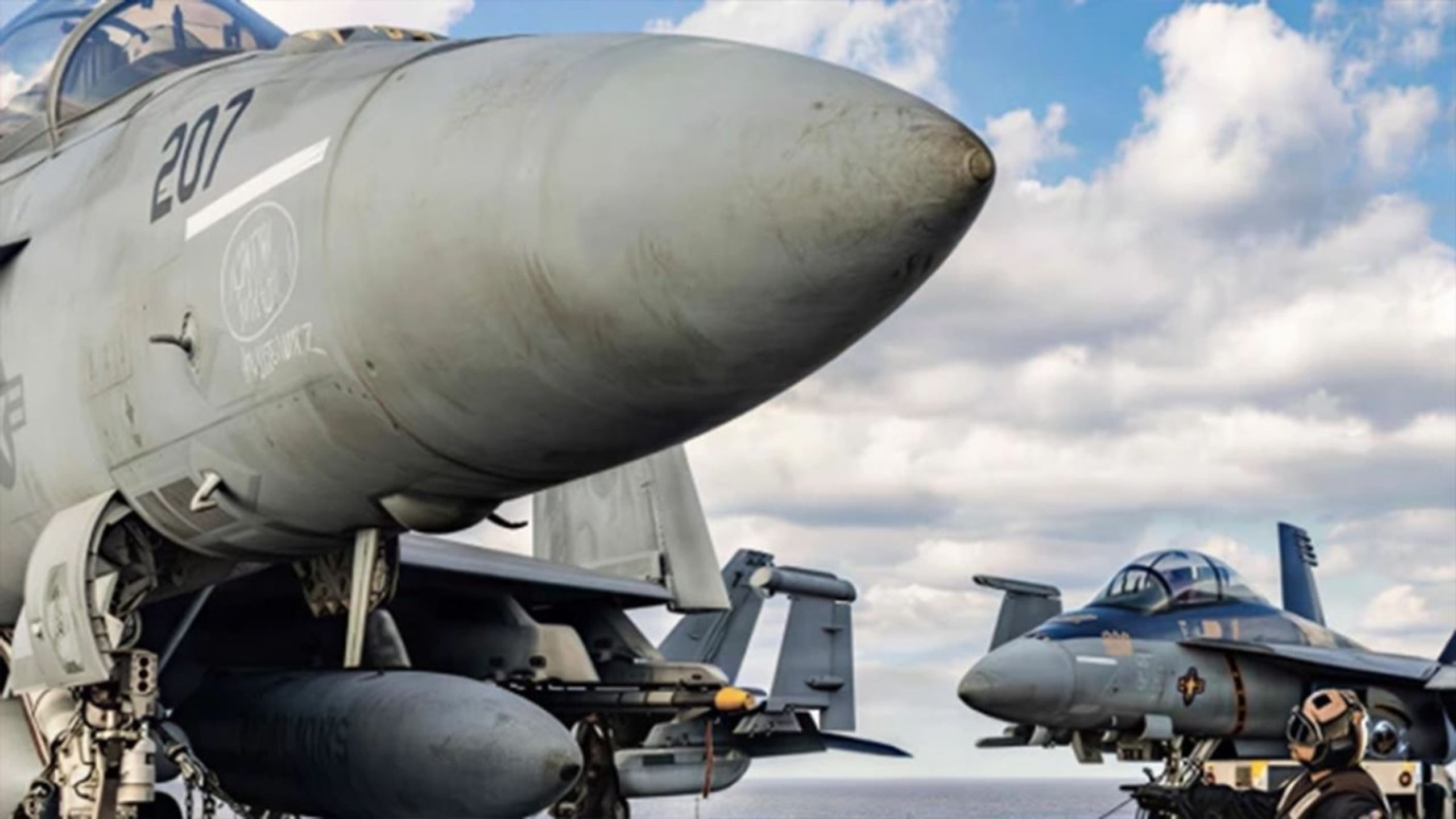
The United States has spent about $38 billion so far in its six-month war with Iran, and this expenditure could rise by another $3 billion a month. The figures come from a report released Tuesday by the Congressional Budget Office (CBO), the US Congress’s non-partisan budget analysis agency. Meanwhile, the Trump administration is looking for ways to end the war and reopen the critical Strait of Hormuz.
Reuters reported that, according to the CBO’s calculations, the war could push US inflation up by 0.5 percentage points in the first quarter of 2027. The cost figures are calculated through August 1. The war’s mounting costs have strained US weapons stockpiles and driven up fuel prices, raising concerns over America’s capacity to respond to other potential conflicts in the future, while adding further pressure to an already-strained federal budget.
At a Senate hearing on July 21, Defense Secretary Pete Hegseth cited a cost figure of $37.5 billion; the new estimate is close to that figure. The CBO said a large share of the expenditure came from the rapid use of munitions, and estimated that replenishing US weapons stockpiles could take up to five years. Reuters reported in August that the US had used “almost all” of its missiles capable of long-range precision strikes in the war. The CBO said, however, that the US Defense Department did not cooperate with Congress’s financial auditors on this review.
White House spokesperson Anna Kelly described President Donald Trump’s strikes on Iran as “a decisive step taken to prevent Tehran from being able to harm US troops or interests.” In a statement, she said: “We have more than enough munitions, weapons and stockpiles to achieve all of the commander-in-chief’s strategic objectives, and then some.” Pentagon chief spokesperson Sean Parnell rejected the findings of reports on munitions shortages, saying: “We have everything necessary for the president to decide the time and place of any strike.”
The cost review was requested by Pennsylvania Democrat Brendan Boyle, the top Democrat on the House Budget Committee. In a statement, Boyle said: “Donald Trump’s disastrous war in Iran has already cost the lives of brave American service members, with others wounded.” He added: “Alongside this human toll, the non-partisan CBO’s report makes clear that the war has already cost American taxpayers tens of billions of dollars, and that cost keeps rising.”
Eighteen US service members have been killed in the Iran war. However, the CBO’s report does not include the cost of recent attacks on commercial vessels in the Strait of Hormuz or strikes on US military installations in the region. Interest on debt taken to finance the war, and other associated costs, were also not included in the calculation — these could add tens of billions of dollars more to the total.
Impact on US military readiness
The CBO’s estimate suggests the war’s effects could spread widely across US defence systems and the domestic economy. With shortages emerging in critical munitions, including missile-defence weapons, the Pentagon’s ability to respond to any major future conflict could be hampered. The CBO also referenced potential conflict involving China and Taiwan. At a Senate hearing in July, Hegseth requested emergency funding of roughly $90 billion, not $9 billion, to replenish munitions stockpiles, saying: “Without this money, we will face a serious shortfall.”
The Pentagon’s Office of the Inspector General said this week that hundreds of buildings at US military bases in the Middle East had been damaged or destroyed in Iranian strikes, with fighter jets, refuelling aircraft and drones also damaged. According to the inspector general’s estimate, the war’s cost to the US stood at $33.4 billion as of June 19, which includes around $184 million in damage to US diplomatic facilities from Iranian attacks.
Attacks on the Strait of Hormuz and on energy facilities in Gulf states have dealt a major shock to the energy market. Before the war, roughly 20 percent of the world’s oil passed through that narrow waterway; the crisis in the strait has significantly driven up fuel prices for consumers and global producers alike. The war’s rising costs are also adding pressure to the United States’ already-strained fiscal position — the country’s total government debt surpassed $40 trillion in August.
Trump has often compared the cost of the Iran war with the cost of US military operations in Iraq and Afghanistan following the September 11, 2001, attacks. A Reuters report noted that the eight-year Iraq war saw more than 100,000 ground troops deployed at its peak and cost $2 trillion. According to figures from Brown University’s “Costs of War” project, the two-decade Afghanistan war saw more than 100,000 troops deployed at its peak and cost $2.3 trillion.