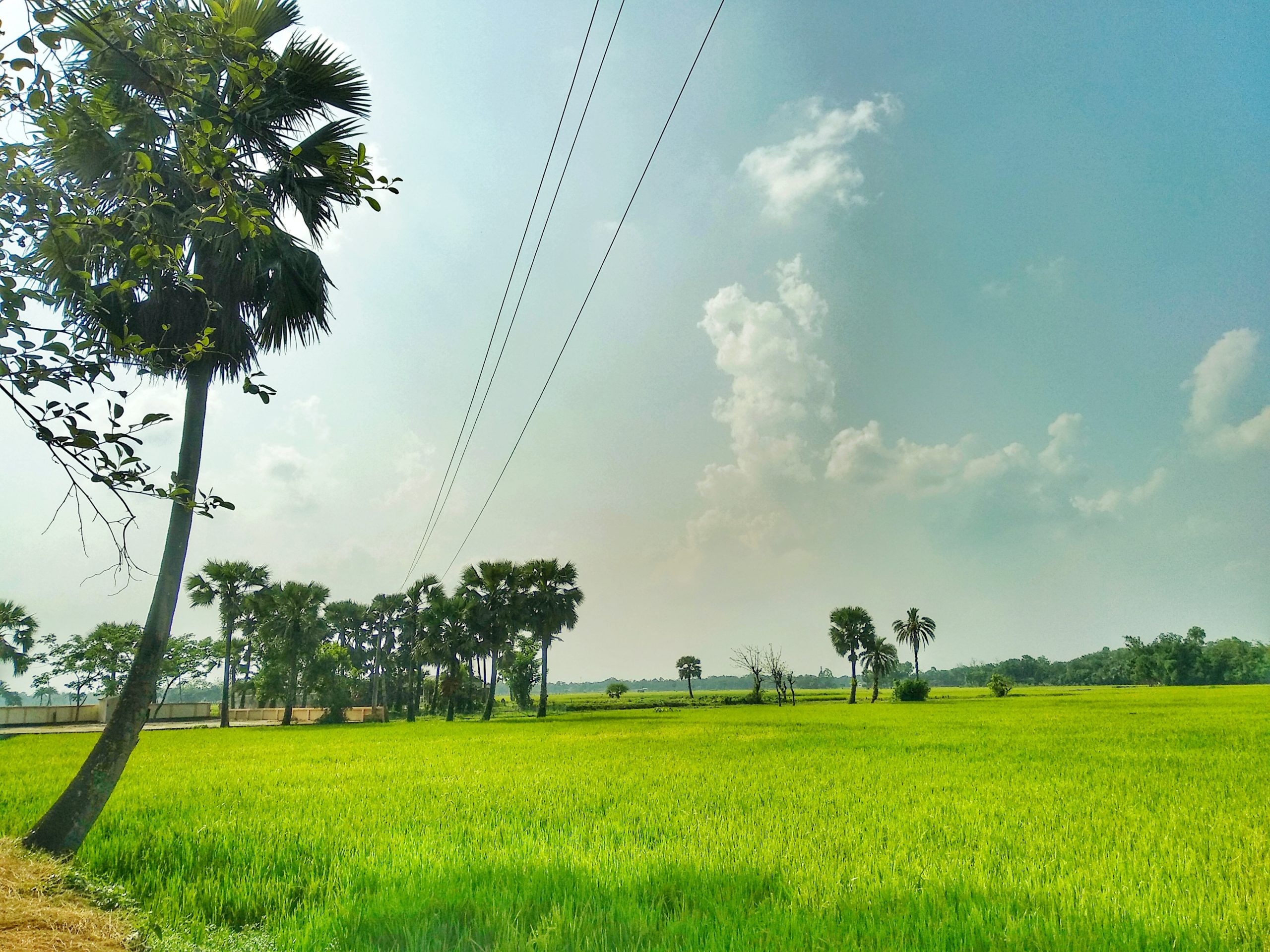
The high-yielding Aman rice variety BRRI dhan103, developed by the Bangladesh Rice Research Institute (BRRI), gave the hoped-for yield the first time it was grown in Khagrachhari. A demonstration plot produced 6.57 metric tonnes a hectare, which officials describe as a notable yield for the Aman season. The result opens the possibility of spreading the variety across the hill farming region.
A harvest and field day for BRRI dhan103 was held on Thursday afternoon (November 5) at the Pilotpara technology village in Khagrachhari Sadar upazila. The event, organised under the supervision of BRRI’s Khagrachhari regional office, was attended by local farmers, agriculture officials and researchers.
Funded by the Location-Specific Rice Varieties and Technology Development and Existing Laboratory Improvement (LSTD) project, BRRI dhan103 was grown this Aman season on one acre of land belonging to local farmer Amar Mohan Chakma. Measurements after the harvest showed a yield of 6.57 tonnes a hectare.
Khagrachhari Sadar Upazila Agriculture Officer Mukta Chakma was the chief guest at the field day. Mir Obaidur Rahman Shaon, a scientific officer at BRRI’s Khagrachhari regional office, presided.
Shaon said BRRI dhan103 was grown in Khagrachhari at farmer level for the first time this year as a demonstration, and the yield met expectations at the first trial. The grain is slender and the plant relatively tall, but despite its height it does not lodge easily. With proper care and favourable conditions, a yield of up to 6.57 metric tonnes a hectare is possible, which he called very encouraging for the Aman season.
He added that field demonstrations and yield assessments would play an important role in making the high-yielding variety popular with farmers in the hill region.
Mukta Chakma said favourable weather this year had given Khagrachhari a good Aman harvest. BRRI dhan103 did well on the demonstration plot, and the variety also showed relatively little disease. Given these advantages, she said, there is potential for the variety to be grown widely in Khagrachhari in future.
She said that because the plants are relatively tall, farmers will also gain extra straw, so they stand to benefit from both the rice and the straw.
According to sources involved, BRRI’s Khagrachhari regional office, with LSTD project funding, is running applied trials, assessments and research on various modern high-yielding rice varieties and technologies on about 50 acres of land belonging to 50 farmers in the technology village.
Under these activities, farmers have been given rice seed, fertiliser, insecticide, pesticide, seed storage drums and other farm inputs free of charge. The aim is to select rice varieties suited to the local environment and soil, use modern farming technology and raise farm output.
People in the farming sector hope the success of BRRI dhan103 will spark new interest among Khagrachhari’s farmers. If the variety’s yield and agro-environmental suitability are further tested and it is grown on a larger scale, it could play an important role in raising Aman rice production in the hill region.
বাংলায় মূল প্রতিবেদন পড়ুন · Read the original Bengali report