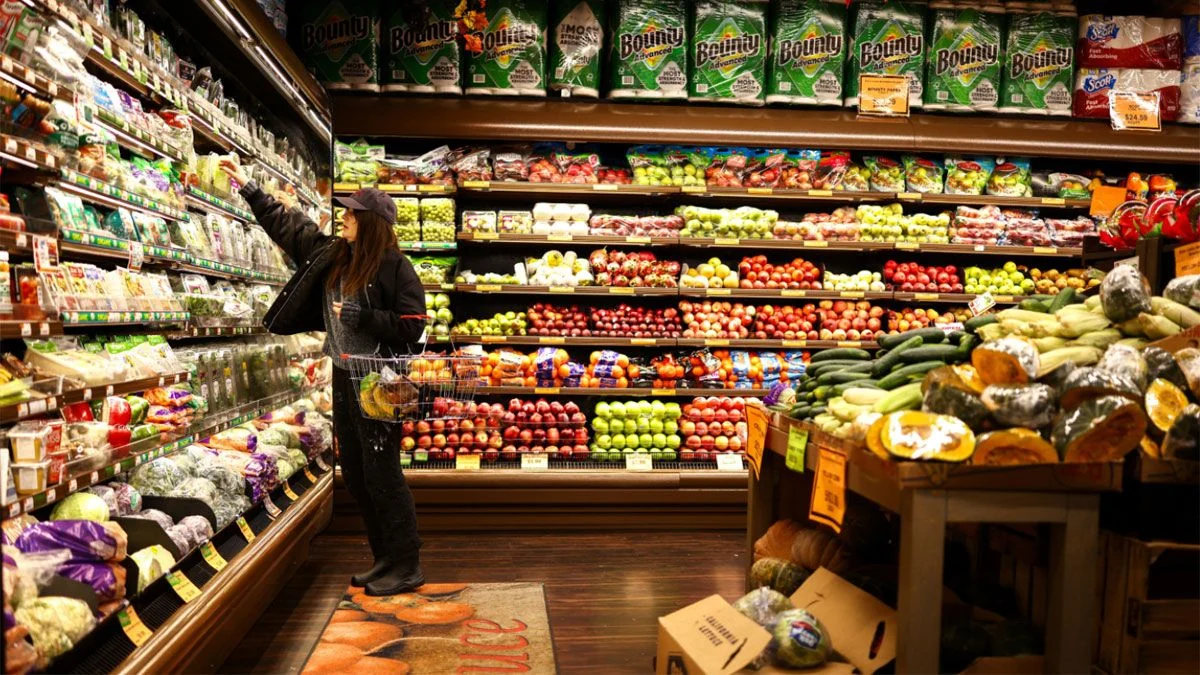
The World Bank fears that food insecurity will worsen as energy and food prices keep rising around the world. With supply chains disrupted by the Iran war, other global conflicts and the effects of El Nino, overall commodity prices on world markets could rise by as much as 23 percent by the end of 2026.
Over the same period energy prices are expected to reach their highest level in four years, the news agency AFP reported.
The World Bank’s Commodity Markets Outlook, published on Wednesday, says global food prices could rise 10 percent in 2026 because of grain supply disruption caused by conflicts, the severe effects of El Nino, and high energy and fertiliser prices. They are forecast to rise a further 7 percent in 2027.
In a statement marking the report’s release, World Bank deputy chief economist Ayhan Kose said commodity markets had been hit by several large shocks at once. High energy prices and disrupted trade are pushing up the prices of many goods, he said, raising inflation and food insecurity and putting global economic growth at risk.
El Nino threatens farm output
El Nino is a natural weather event that is expected to push up temperatures in many parts of the world this year. Its harmful effects could further complicate conditions already created by human-made climate change.
The World Bank’s report warns that floods, droughts and extreme heat caused by El Nino in various regions could increase pressure on farmers. That could disrupt crop production and food supplies and also push up food prices.
Energy prices could rise 32 percent
According to the World Bank’s forecast, energy prices could rise 32 percent in 2026. If the conflicts in Iran and Ukraine do not intensify, however, the rise in energy prices could slow in 2027.
Energy and fertiliser prices on world markets have risen significantly since the United States and Israel began the war against Iran in late February. As the conflict spread, Iran attacked US allies in the Middle East. Shipping also almost came to a halt in the Strait of Hormuz, a vital route for oil, natural gas and fertiliser. That has put further strain on global energy supply and trade.
The World Bank warns that a global food crisis could follow if El Nino’s effects are very severe, if attacks on grain shipments through the Black Sea increase because of the Russia-Ukraine war, or if energy prices rise further because of the Iran war.
If these risks materialise together, the report says, in an adverse scenario Brent crude could average $105 a barrel in 2027. Food prices could also be 12 percent higher than the baseline forecast, exceeding their 2022 levels.
Emergency support for poor countries
Since the Iran war began, the World Bank has provided $8.7 billion in emergency support to vulnerable countries. Ayhan Kose said the priority now should be to protect the poorest people and to help low-income countries under debt pressure.
The report also says global oil supply could fall 5.2 percent in 2026 because of the effects of the Middle East and Russia-Ukraine wars. Excluding the pandemic, that would be the largest fall in oil supply in more than four decades.
World oil consumption, however, is forecast to fall 2.5 percent this year. Lower demand could ease some of the pressure for oil prices to rise further. That would be the third-largest fall in oil demand, after the Covid-19 pandemic and the 1980 oil crisis.
The World Bank said its current forecasts for food, energy and overall commodity prices are significantly higher than those it published in April. Dealing with high energy prices, supply disruption and climate risks could therefore become a major challenge for the world economy.
বাংলায় মূল প্রতিবেদন পড়ুন · Read the original Bengali report