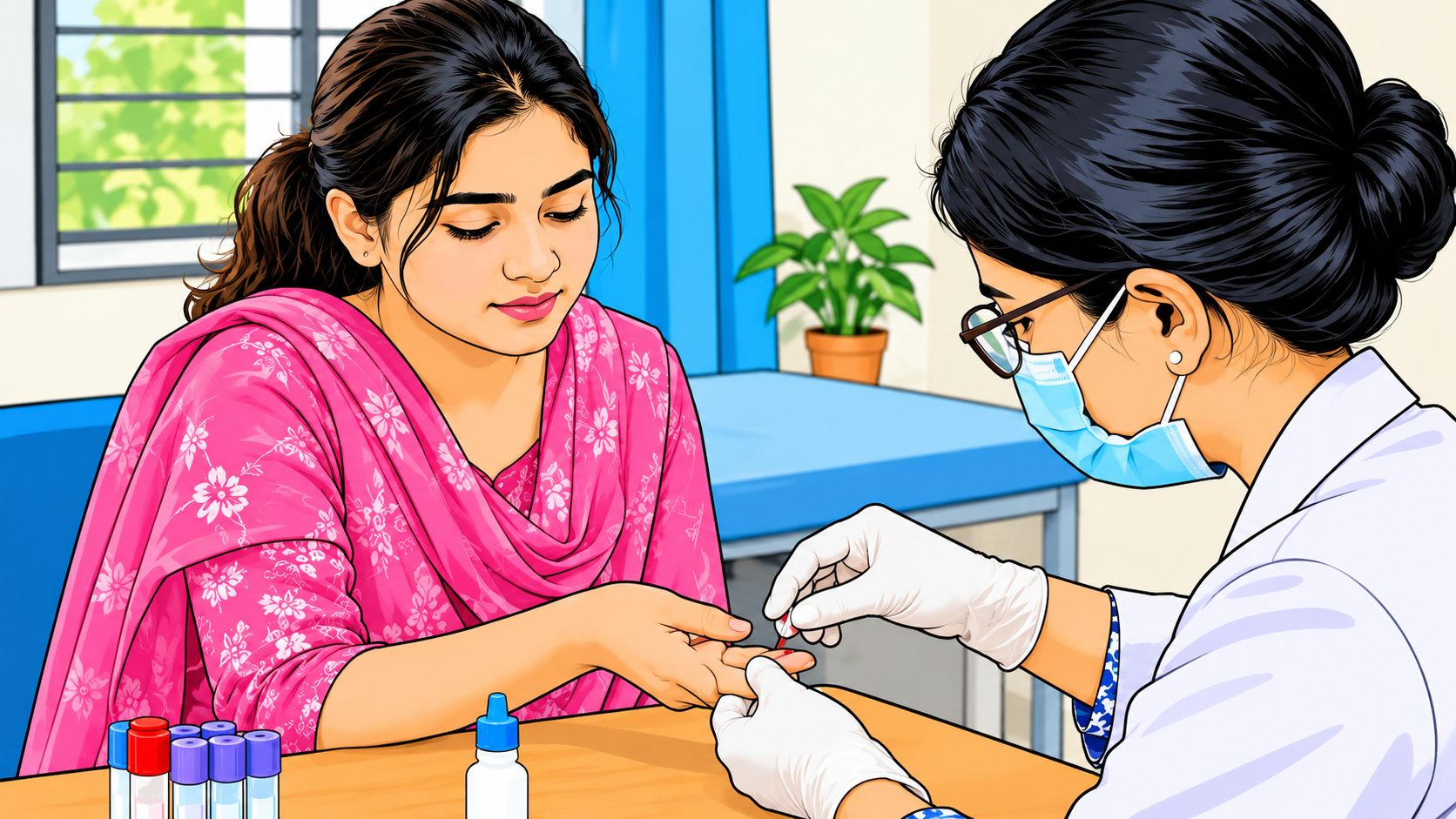
The NS1 antigen test must be done within the first one to five days after fever starts. If it is done five or six days after the fever begins, the amount of antigen in the blood falls, so the report can come back negative even when the patient has dengue. The IgM antibody test, on the other hand, should be done five days after the fever starts. If it is done within the first one to five days, the report can be negative because the body has not yet made antibodies.
Certain variants or serotypes of the dengue virus (such as Den-2 infection) can also give a negative NS1 antigen result. The NS1 test can be negative even though the virus is present in the blood; this is known as a false negative.
In that case, reverse transcription polymerase chain reaction (RT-PCR) is a fast, highly sensitive and specific test for detecting dengue virus (DENV) in the acute phase. It is a gold-standard molecular technique, usually done in the first five to seven days after symptoms begin, when the viral load is highest. Even if RT-PCR is negative after five to seven days, dengue cannot be fully ruled out, so serological tests such as IgM ELISA are advised.
What to do if the test is negative
Watch the symptoms. Even with a negative report, dengue cannot be ruled out if there is high or mild fever, pain behind the eyes, severe body aches or nausea.
Have a CBC test
Doctors usually give more weight to the blood’s platelet and white blood cell (WBC) counts than to the dengue test report. If platelets fall quickly, the patient is treated as a suspected dengue case.
Care with medicines
Whether the report is negative or positive, take only paracetamol for fever and pain. Never take NSAIDs such as ibuprofen, aspirin or diclofenac without a doctor’s advice, as they can sharply raise the risk of bleeding.
Remember that a first dengue infection usually causes mild symptoms and patients recover with proper rest. But a second infection with a different serotype can be more severe because of antibody-dependent enhancement (ADE). The three to seven days after the fever drops are the most dangerous.
When to go to hospital
- Bleeding from the gums or nose
- Persistent vomiting or vomiting blood
- Black stools
- Severe abdominal pain
- A severe rash or spots on the skin
- Low blood pressure and dizziness
- Body, hands or feet suddenly turning very cold
- Not passing urine for a long time, or passing less urine
The writer is a medicine and chest diseases specialist at SMC Diagnostic and Consultation Centre, Darus Salam, Mirpur.
বাংলায় মূল প্রতিবেদন পড়ুন · Read the original Bengali report