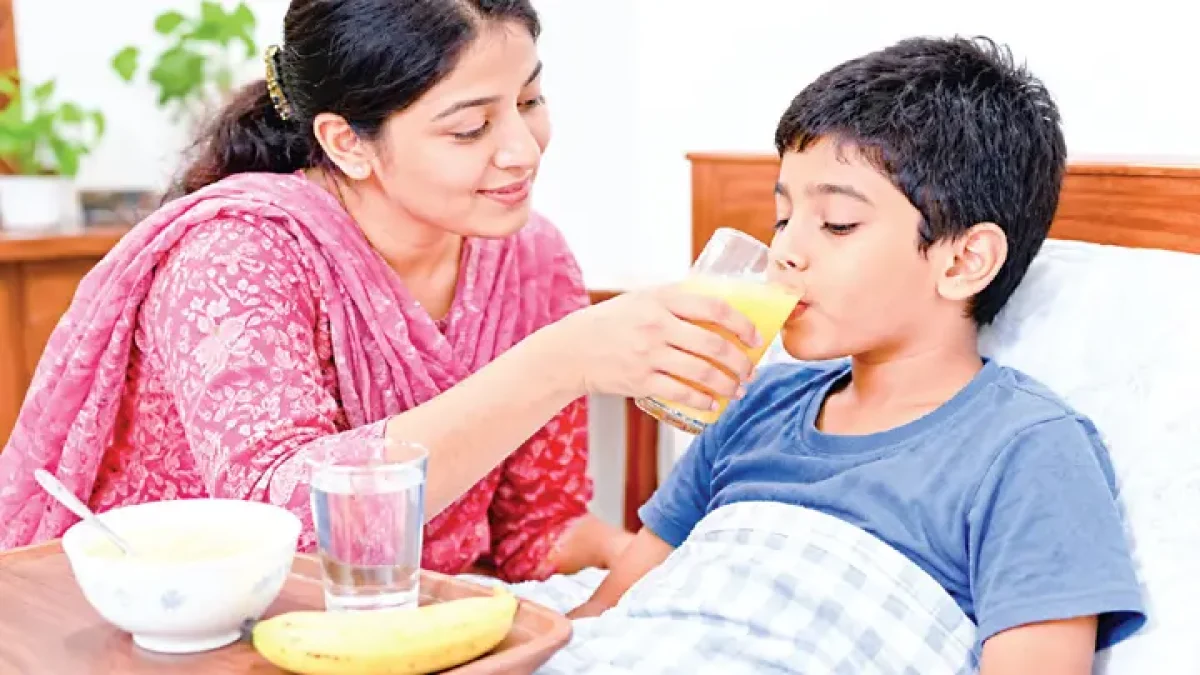
How often a child who has had dengue needs follow-up visits after being discharged from hospital usually depends on the child’s condition, how severe the dengue was and what the doctor advises. There is no single schedule for everyone. Following the instructions the doctor gives at discharge is essential.
First follow-up
After discharge, follow-up visits should be made as the doctor advises. Once the child is home, their condition needs to be watched closely. It may be necessary to check the platelet count and haematocrit, and to look for general weakness or any sign of dehydration. Depending on the child’s condition, the doctor may order blood tests or other tests.
Second follow-up
Once the fever has gone completely, another follow-up may be made where needed within one to two weeks of coming home. At this visit the doctor checks whether the child is returning to normal food, whether problems such as unusual weakness or hair loss are appearing, and whether blood counts have returned to normal. A complete blood count (CBC) or other tests may be done if needed.
Special cases
If the child is very weak, has low platelets or haemoglobin, or develops complications in the liver or another organ, the doctor may advise more frequent follow-ups. In that case the child may need to see the doctor every two to three days, or sooner if the situation calls for it. If the hospital discharge certificate gives specific follow-up dates and instructions, those should be followed.
Physical and mental after-effects
Some children may have physical or mental problems even after recovering from dengue. Tiredness, weakness, loss of appetite and poor concentration can linger after the illness. Not every child has these problems. If the symptoms last a long time or disrupt the child’s normal life, a doctor should be consulted.
1. Severe tiredness and weakness
Children may feel tired and listless after dengue. They may tire after only a little walking or play, and it can take time for them to get their old energy back.
Long-lasting physical weakness and tiredness (chronic fatigue) can persist for several weeks in some patients. However, a figure of 60 to 70 percent of children who recover from dengue having this problem should not be stated as certain without a reliable source. Finding the cause of the tiredness requires assessing the child’s physical condition and the results of the necessary tests.
2. Liver problems
Dengue can raise the liver enzymes SGPT and SGOT. As a result, some children may have a poor appetite, discomfort or pain in the upper right side of the abdomen, and digestive problems even after the fever has gone. A doctor should be consulted if these symptoms appear. Liver function tests may be done if needed.
3. Hair loss
Some children may start losing hair a while after the fever subsides. This may be linked to the illness and the strain it put on the body. Hair loss of this kind is usually temporary and tends to ease gradually over a few months. If it is heavy or lasts a long time, a doctor should be consulted.
4. Loss of appetite and taste
After recovering from dengue, some children may lose their appetite and interest in food. While the body is still weak from the illness, it can take time to return to normal eating. Without enough nutrition, the weakness can last longer. Children should therefore be given nutritious food in small amounts, often, and made sure to drink enough fluids.
5. Muscle and joint pain
Even after the high fever of dengue has passed, some children may have mild pain or stiffness in the arms and legs, muscles and joints for anything from a few days to a few weeks. If the pain is severe, gets worse or makes it hard for the child to move about, a doctor should be consulted.
6. Anaemia and low platelets
Dengue can change the levels of various components of the blood. If a child’s haemoglobin falls, they may look pale and feel weak or tired. Platelet counts, on the other hand, usually return to normal gradually as the child recovers. Even so, a doctor’s advice is needed based on the blood test results and the child’s physical condition. The child’s overall condition should be considered, not just the platelet count.
7. Immunity
There is not enough evidence to say that every child’s immunity is weakened after recovering from dengue. Weakness and tiredness may, however, last for a while after the illness. During this time the child should get enough rest, a balanced diet and the fluids they need. If signs of any new infection appear, a doctor should be consulted.
Advice
Give the child enough fluids and a balanced diet. Depending on age and condition, water, oral rehydration solution, soup and other suitable fluids can be given. Nutritious foods such as fruit, vegetables, eggs, fish and khichuri can be offered as the child can manage them. Let the child rest properly, and do not push them into study, sport or any heavy activity until they have recovered.
Care for the child’s mental and physical well-being is especially important at this time.
বাংলায় মূল প্রতিবেদন পড়ুন · Read the original Bengali report