Consultant psychiatrist Professor John F. Morgan has said the mental health sector needs a more open and balanced discussion of the link between severe mental illness and the risk of violence. In a letter published in the media, he said the vast majority of people with mental illness are not violent and should not be stigmatised. However, he said, it would also be wrong to deny the reality that, in certain circumstances involving some serious mental illnesses, the risk of violence can rise.
According to Morgan, organisations working in mental health have long been reluctant to discuss this issue openly. One reason for this was that discussing the link between mental illness and violence risked deepening negative perceptions and stigma against the entire population receiving mental healthcare. But avoiding discussion of the risk altogether, he believes, can ultimately create problems for patients, their families and wider society.
He specifically argued for the need to hold two ideas together. First, the vast majority of people with mental illness are not linked to violence, so a person’s mental illness should never be treated as synonymous with potential violence. Second, in some cases of serious mental illness, the risk can genuinely rise, particularly when combined with drug or substance misuse, disengagement from treatment, or a history of past violent behaviour.
Morgan’s argument is that acknowledging the second truth does not contradict the first. In other words, it is possible to oppose social stigma against people with mental illness while also properly assessing potential risk in specific cases — and indeed, he argues, this balance is essential for a responsible mental health system.
He believes that if fear of stigma is prioritised over discussing risk, necessary preventive measures can end up weakened. Adequate treatment for patients, continuity of care, regular and proactive follow-up, and careful risk assessment can all help ensure the safety of patients themselves, their families and others.
Sarah Hughes, chief executive of mental health charity Mind, recently acknowledged that the mental health sector has not been sufficiently open about the violence risk posed by a minority of people with severe mental illness. According to Morgan, this acknowledgement is significant, as it has opened the door to publicly discussing a long-uncomfortable issue.
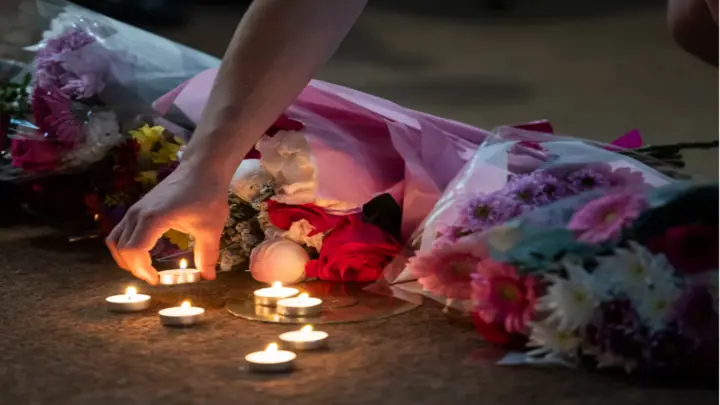
Against the backdrop of this debate, the investigation into the Nottingham attack has also become significant. In June 2023, Barnaby Webber, Grace O’Malley-Kurma and Ian Coates were killed in Nottingham. The attacker, Valdo Calocane, had previously been diagnosed with paranoid schizophrenia. The investigation found a history of prior violent behaviour, repeated refusal to take medication, and four hospitalisations under mental health law within two years.
Morgan’s central point, however, is in no way about labelling mentally ill people as “dangerous.” What is needed, he believes, is a mature position in mental healthcare — one that opposes discrimination and stigma against patients on one hand, while allowing doctors, patients, families and relevant organisations to hold honest, evidence-based discussions on real risks where they exist, on the other.
In his view, the debate over the link between mental illness and violence should not be turned into a conflict between supporters and critics of psychiatric treatment. Instead, this opportunity should be used to build more effective and humane mental healthcare for the safety of patients, the protection of families, and wider public safety.