The Nepali government has issued new guidelines for domestic and foreign media covering the recent flood. Foreign journalists have been asked to submit several documents, including copies of their passport and valid visa, and an appointment or contract letter from their media organization.
The guidelines were issued by the Information Administration and Press Division of Nepal’s Ministry of Communications and Information Technology. However, the department’s spokesperson, Govinda Prasad Pandey, said this is not a new policy or system; issuing press passes to foreign journalists has long been a routine process for the department.
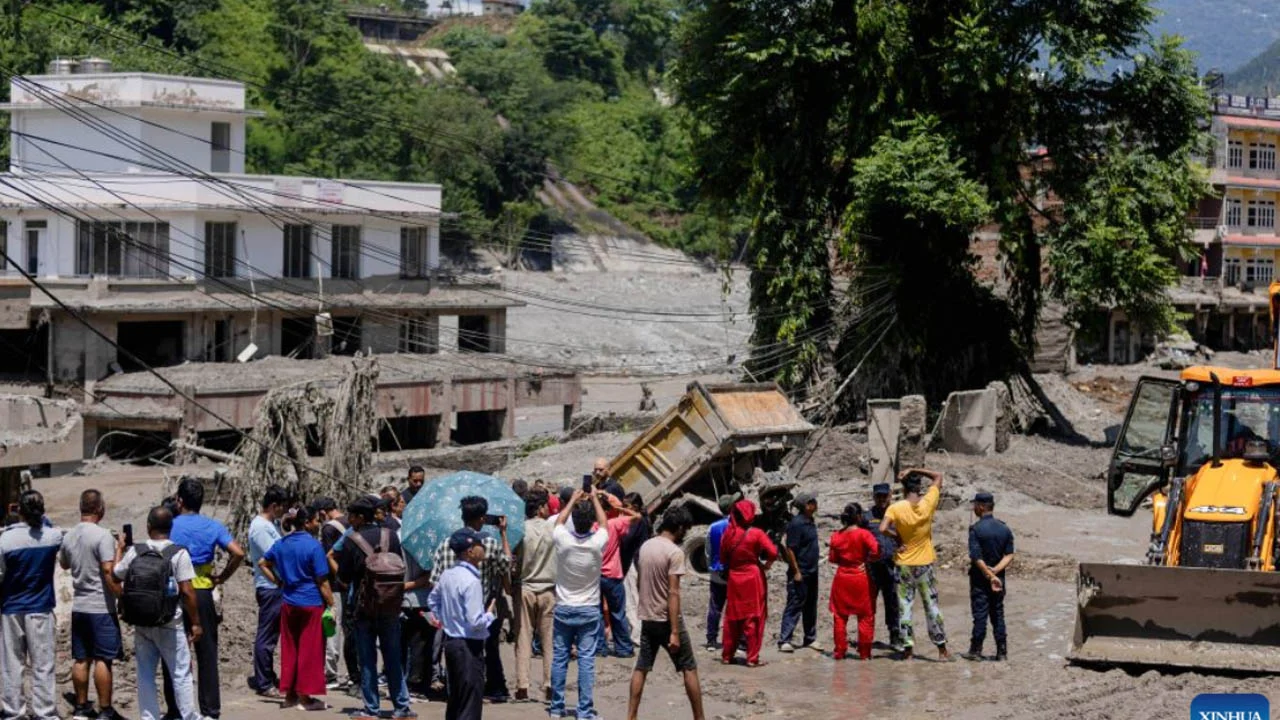
After the devastating flood on the Bhotekoshi River early Wednesday, many foreign journalists from various international media outlets reached the areas hit hardest by the disaster.
The guidelines ask foreign journalists to submit a recommendation letter from their respective media organization, along with a recommendation letter from their country’s foreign ministry or that country’s embassy or consular office in Nepal.
A Nepali government official told the Kathmandu Post: “This is not a permanent rule. It has been put in place to bring order to news-gathering activities during the current disaster situation.”
Foreign journalists must also submit identification issued by their respective organizations, along with details of their salary and other benefits.
After submitting the documents, they must apply online. Once the online application is approved, the applicant must appear in person at the department’s office with two passport-sized photos in the specified format to collect a press representative certificate and journalist identification card.
Pandey said: “So that foreign journalists don’t have to wait or face any inconvenience, the office will remain open and provide service even on government holidays.”
Pandey said foreign journalists already in Nepal but who have not yet obtained a press pass must also obtain one before producing reports. He said: “If anyone reports without a press pass, it will not be considered lawful, and the necessary process will not be deemed complete.”
According to the notice, Nepali journalists must also apply online for a press representative certificate or journalist identification card.
Nepali journalists must submit a copy of their citizenship certificate, an appointment letter from their media organization, and a recommendation letter from that organization for the press representative certificate.
The notice states that applicants must also submit certificates of educational qualification, proof of the media organization’s registration renewal or updated status, a declaration, and certified bank account information as proof of receiving salary and regular allowances.
Meanwhile, an official from the communications ministry, speaking on condition of anonymity, said the notice was issued to keep records of and monitor the activities of foreign journalists working in the country.