Analysis
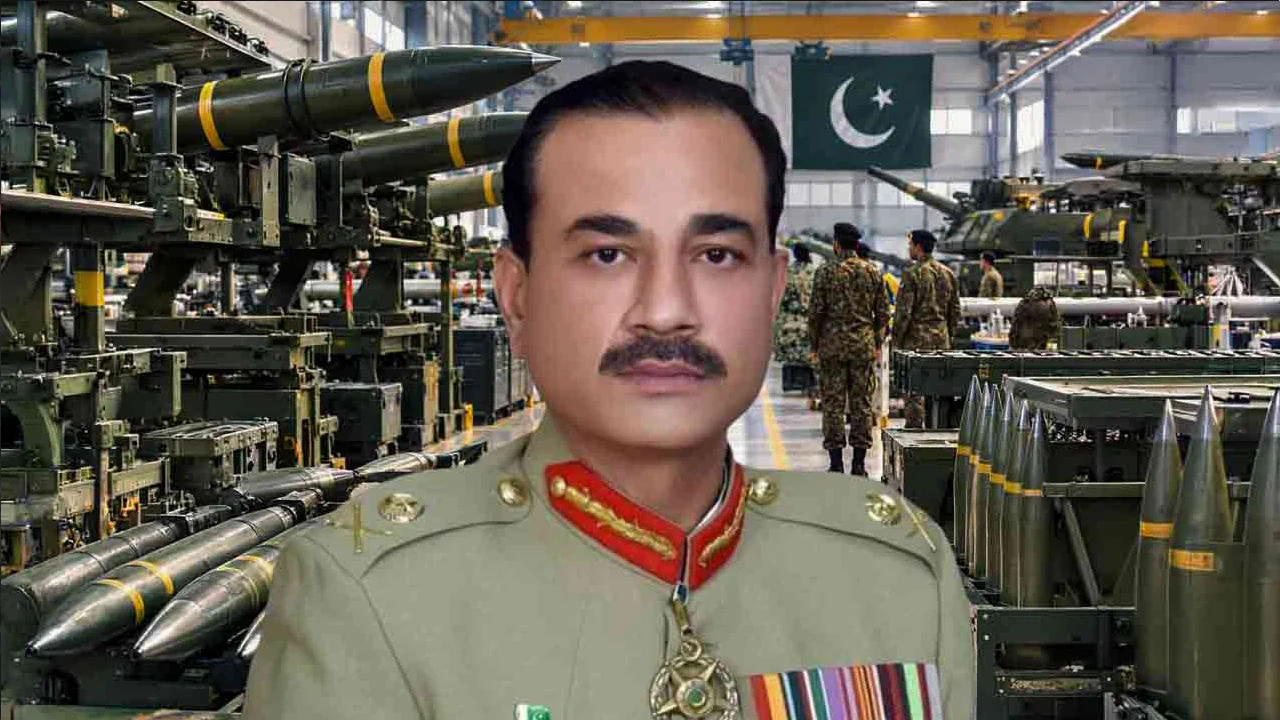
Pakistan Army Chief Field Marshal Asim Munir inspected the country’s largest weapons factory near Islamabad on August 29. Large numbers of heavy artillery pieces have been deployed in border areas. Islamabad has been signing military agreements with various countries one after another. Agreements have been reached to boost military cooperation with China and Turkey.
Pakistan’s recent military preparations have raised questions in India. A section of intelligence officials in Delhi is trying to answer the question of whether Islamabad is preparing to attack India again before Durga Puja. However, no confirmed information has yet emerged that Pakistan is about to launch a fresh military operation against India.
After Munir inspected the Pakistan Ordnance Factories (POF) at Wah Cantonment, the army’s public relations wing, ISPR, said he visited the factory to review the domestic defense industry’s capacity and plans to boost weapons production.
During the visit, Munir asked about the design of various weapons, production capacity and ammunition-testing activities. Factory officials also briefed him on plans to increase production. Production is expected to begin at two more weapons production centers later this year.
The Pakistan Army says the country is boosting its domestic weapons-production capacity to modernize its military. However, some defense analysts believe that alongside viewing the army chief’s direct factory visit merely as a review of industrial capacity, its strategic significance should also be considered.
Pakistan has already boosted military cooperation with China and Turkey. On August 27, Pakistan signed a “joint defense and military cooperation agreement” with Kuwait. Before that, Pakistan had also strengthened defense cooperation with Saudi Arabia and Turkey.
China is one of Pakistan’s main military equipment suppliers. A large share of Pakistan’s air force fighter jets, drones, missiles and ground-based weapons are linked to Chinese technology or cooperation. Islamabad’s military cooperation with Turkey has also been growing for several years.
Meanwhile, there has been discussion over the movement of Chinese and Turkish military transport aircraft at various Pakistani air bases. Although various quarters have speculated about what kind of equipment these flights have brought into Pakistan, no reliably confirmed information has been published on this.
Reports of military activity along the Pakistan border are also emerging. The Chinese-made SH-15 155mm self-propelled howitzer is one of the Pakistan Army’s important weapons. Reports of such artillery being deployed in border areas point to an increase in Pakistan’s military capability.
However, it isn’t clear whether India is the primary target of these Pakistani military preparations. Pakistan is simultaneously dealing with the security situation along the Afghanistan border and various armed insurgencies within the country. The security situation in Balochistan and Khyber Pakhtunkhwa is also a major concern for Islamabad.
On the other hand, a major military conflict broke out between India and Pakistan after last year’s Pahalgam attack. India carried out strikes at various locations in Pakistan and Pakistan-controlled Kashmir under an operation named “Operation Sindoor.” After several days of conflict, the two countries reached a ceasefire.
After that conflict, India made clear that any major terrorist attack in the future would be met with an even harsher response. As a result, there is concern that any fresh India-Pakistan conflict could escalate quickly into something larger.
However, Pakistan’s domestic political and economic situation is also influencing its military policy. Islamabad is having to manage an economic crisis, debt pressure and security problems in various regions. At the same time, border tensions with Afghanistan have also increased.
Given this, Asim Munir’s visit to the weapons factory can be seen as part of Pakistan’s ongoing effort to boost its defense capability. However, there is still no reliable evidence to conclusively interpret it as preparation for an imminent attack on India. As tensions rise between the two nuclear-armed South Asian nations, regional and international observers are closely watching their military activities.