Chattogram City Corporation, the Esperia Health Research and Development Foundation, and the paediatric research group at Chattogram Medical College have published a joint research report on 300 children in Chattogram division. The study found that 85.2 percent of the 300 children infected with measles were unvaccinated. Malnutrition also emerged as a factor behind children’s physical complications and their vulnerability to measles infection. The “B3 genotype” of the virus was detected in 100 percent of these children.
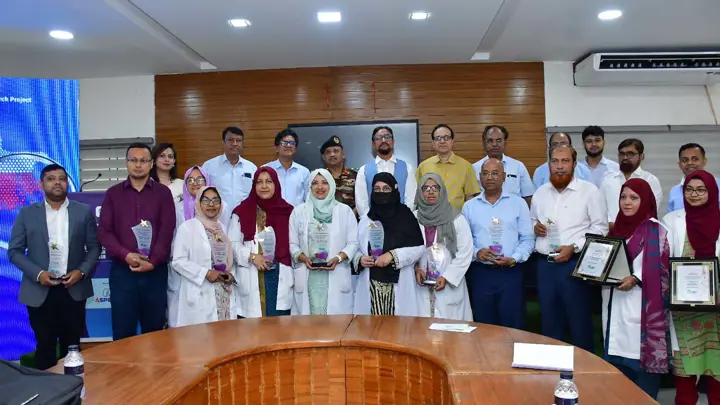
The findings were unveiled at an event held at Chattogram Medical College on Wednesday afternoon to release the study’s results. Those present included Chattogram City Corporation mayor Dr Shahadat Hossain, Chattogram Medical College Hospital director Brigadier General Md Taslim Uddin, Chattogram Medical College principal Professor Dr Md Jasim Uddin, and doctors and researchers from various medical college hospitals.
According to the research report, the study was conducted on 300 measles-affected children in Chattogram division, ranging in age from 2 months to 11 years. The study received financial and overall support from Beximco Pharmaceuticals Limited.
The study found that one-third of the affected children were suffering from acute malnutrition, which was identified as the single biggest risk factor for children developing severe measles complications. Of the 300 children covered by the study, 31 percent were suffering from acute malnutrition. Among those infected, 11 percent were under six months old, 23.5 percent were aged one to five years, and 46 percent were under nine months old — meaning they had contracted the virus before reaching the age scheduled for routine vaccination.
According to the study’s data, 85.2 percent of the hospitalised children were unvaccinated. Among the unvaccinated children, parental unawareness or forgetting vaccination dates was the main reason in 52 percent of cases. Additionally, only 32.1 percent of children had received a vitamin A capsule in the previous six months. Among children who had not received vitamin A, 59 percent suffered severe complications. Among those infected, 75.5 percent were from rural areas and 64.8 percent were from low socio-economic families.
Analysis of infection sources found that around 59.4 percent of the infected children in the study had contracted the measles virus at some healthcare facility or hospital, pointing to weaknesses in hospitals’ infection-control systems. Meanwhile, 16.3 percent of children had been in contact with previously infected measles patients. Additionally, 18.9 percent of the children had not been breastfed, leaving them with very weak immune systems.
A particularly important scientific aspect of the study was that genome sequencing tests identified the “B3 genotype” in 100 percent of samples, fully consistent with previous findings at both the international and national level.
Chattogram City Corporation mayor Dr Shahadat Hossain said measles is a preventable disease, and no child’s death from it is acceptable. He noted that the study found nearly half of children were being infected before reaching vaccination age, underscoring the need to ensure timely, properly scheduled vaccination. He directed officials to raise vaccine coverage to 95 percent, eliminate malnutrition, conduct door-to-door vaccination drives where necessary, and strengthen infection-prevention systems at hospitals.
The event was chaired by Esperia Health Care Limited chairman Golam Baki Masud, who said the research should not remain confined to a scientific report, but must be translated into practical public health initiatives. The main purpose of research, he said, is not simply to generate data, but to save lives.