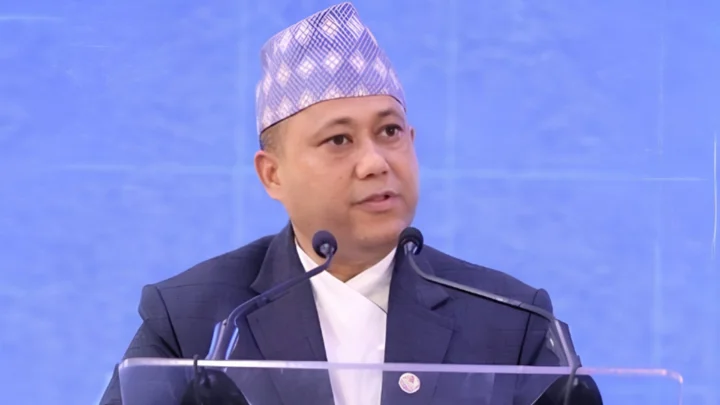
As Himalayan glaciers melt rapidly, water security is at risk not just in Nepal but across the wider South Asian region. China, the United States and India are among the world’s largest greenhouse gas emitters, and those countries bear a historical responsibility to compensate climate-vulnerable nations like Nepal, Nepal’s Foreign Minister Shishir Khanal said recently in remarks to media.
Nepal has already applied for emergency funding from the U.N.-led Fund for Responding to Loss and Damage, which was established to support developing countries harmed by and vulnerable to climate change. Nepal has requested funds for both immediate relief and longer-term rehabilitation and reconstruction.
Nepal’s Rasuwa and Nuwakot districts and surrounding areas were the hardest hit by the flooding. Several hydropower projects have been disrupted, and many workers remain missing. Rescue operations have also been made difficult by the rugged mountain terrain, debris and damaged roads.
According to the Nepali government’s preliminary estimate, rebuilding damaged infrastructure could require several billion dollars. The country’s finance minister had earlier said reconstruction costs could range from $4 billion to $5 billion — a scale of spending that poses a major challenge for a country with Nepal’s limited resources.
Further scientific study is needed to conclusively attribute the full scale of the flood damage to human-caused climate change. The U.S. Geological Survey has said the Aug. 26 disaster began with a rapid mountainside collapse that triggered a devastating debris flow and flooding. While climate change is raising risk across the Himalayas, the agency said, detailed study is needed to establish a direct link between climate change and any specific disaster.
Nepal’s compensation claim has also brought the question of climate justice to the fore. The country’s argument is that historically low-emitting, climate-vulnerable nations are in many cases bearing the greatest damage from climate change, while large economies and industrialized nations, with their long history of high emissions, have played an outsized role in global warming.
Nepal is now preparing to press the issue more forcefully at international climate conferences and various U.N. forums. The country’s new position is that the response to disasters should not stop at relief, but should also ensure equitable financing for losses caused by climate change. The recent Himalayan disaster, as a result, has become more than a natural calamity — it has reignited the debate over climate justice and compensation across South Asia.