An unusual bloom of micro-algae in the Mediterranean Sea has thrown Israel’s water supply system into crisis. Increased turbidity in the seawater has forced most of the country’s major coastal seawater desalination plants to shut down entirely or operate at reduced capacity. While this has not yet completely halted water supply to the general public, it has raised fears of a longer-term crisis.
Water production has been disrupted at several desalination plants along Israel’s Mediterranean coast due to the algae bloom. Most of the country’s coastal water treatment plants have been affected by the situation. Of Israel’s six large coastal desalination plants, five were at some point forced to shut down or reduce production. Several plants have since been restarted at limited capacity, but the situation has not fully normalized. Israeli water authorities say no major household-level water crisis has emerged so far. However, irrigation water supply for agriculture has been reduced, particularly in the country’s south.
According to experts, the unusually high turbidity in seawater, combined with a large presence of micro-algae, is the primary cause of the crisis. It is initially believed the algae may have traveled toward the Israeli coast along Mediterranean currents from an area near the Nile Delta, though its exact source has not yet been confirmed.
This algae is placing excessive strain on the filter systems of the desalination plants. If the plants continue operating under these conditions for an extended period, there is a risk of damage to the critical membranes used in water treatment, which experts warn could be extremely costly to replace.
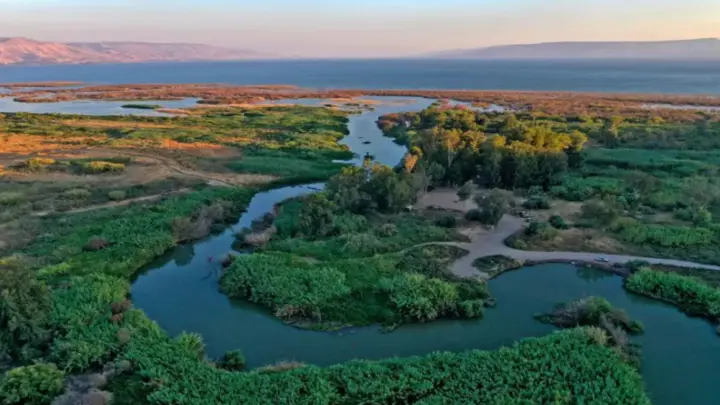
Desalination is extremely important to Israel’s water supply system, with a large share of the country’s drinking water coming from seawater treatment. As a result, if multiple plants remain offline simultaneously for an extended period, pressure will grow on alternative sources. To manage the situation, efforts are underway to draw additional water from the Sea of Galilee and underground water wells.
However, authorities have not claimed that this incident has created an immediate, severe national water crisis in Israel. They say the water supply system remains under control. But experts have warned that if the desalination plants remain below normal capacity for an extended period, it could create significant strain on water management.
Meanwhile, discussion continues over the cause of this unusual algae bloom. Experts say natural factors such as weather, ocean currents and the amount of organic matter in the water could be behind it. At the same time, questions have also been raised about whether untreated wastewater flowing into the sea from Gaza may have played a role. However, no final scientific conclusion has yet been reached on this.
For Israel, the incident is not just a temporary environmental problem — it has also exposed the risks of an overly desalination-dependent water system. If the unusual marine conditions persist for several days or longer, the impact could extend beyond household supply to the agricultural and industrial sectors as well.